
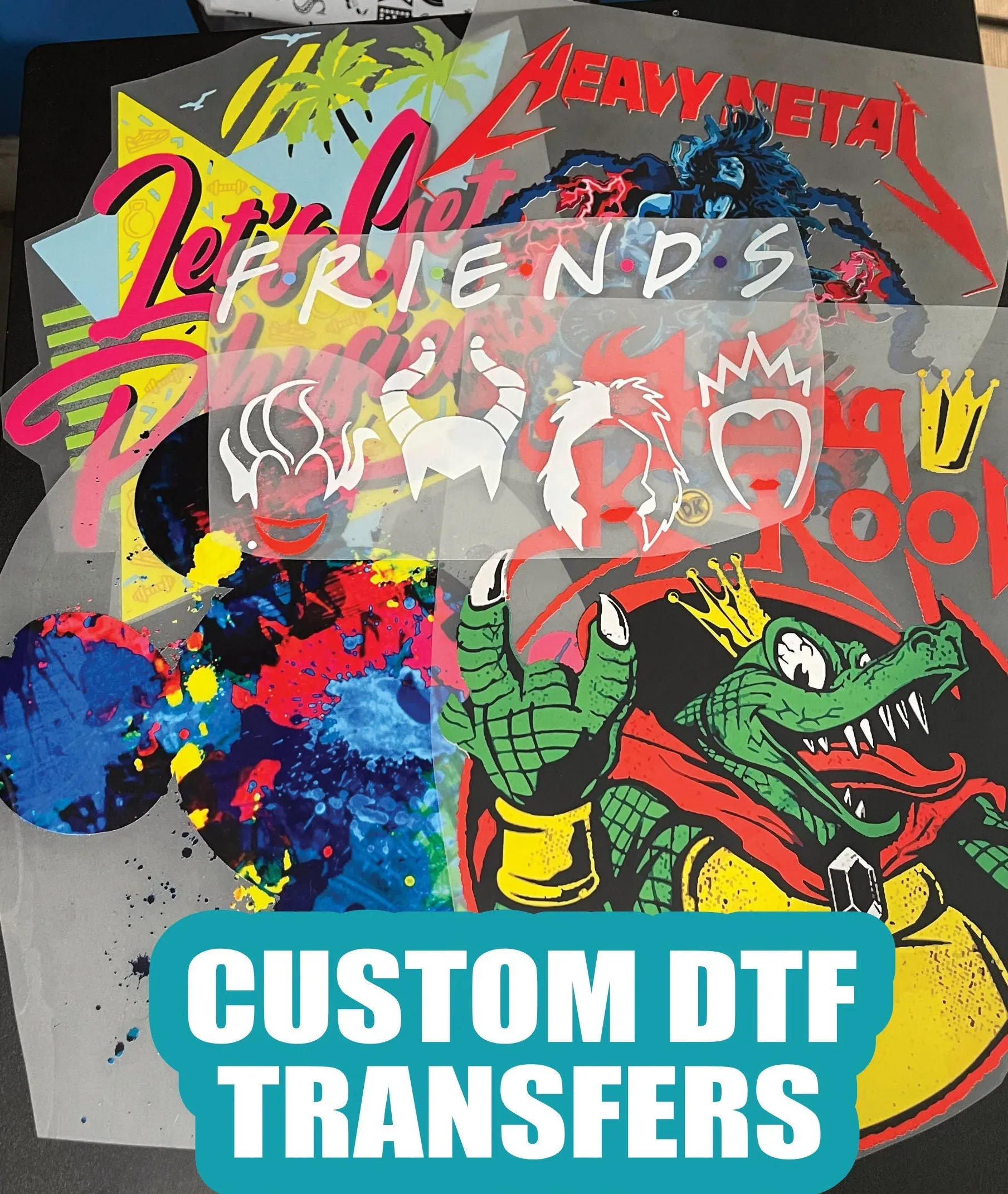
DTF transfers, or Direct-to-Film transfers, represent a transformative technology within the world of garment printing, allowing artists and businesses to create eye-catching designs on various fabrics effortlessly. This innovative method involves printing your chosen artwork onto a specially coated film, applying an adhesive powder, and then using heat to permanently bond the design to the fabric. To achieve the best results, understanding best practices for DTF printing is essential, as it directly impacts the quality of your final product. Throughout this guide, we will share expert tips and strategies that lead to high-quality DTF prints, covering vital aspects like equipment selection and essential troubleshooting techniques. Whether you're a seasoned pro or just starting to explore DTF transfer tips, this post is your go-to resource for mastering the craft of DTF printing.
In the realm of fabric decoration, Direct-to-Film printing is gaining momentum as a popular choice for producing vibrant and durable designs on garments. This versatile printing technique applies ink to a transfer film, which is then adhered to fabric through a heat-press method. Artists and clothing manufacturers alike are adopting this effective approach for its potential to create custom apparel with intricate designs and bold colors. By delving into DTF printing techniques, creators can unlock the secrets to crafting stunning apparel while anticipating common issues that may arise. This exploration into the world of DTF transfers not only equips printers with essential knowledge but also fosters creativity in designing unique clothing pieces.
Understanding the DTF Printing Process
Direct-to-Film (DTF) printing merges inkjet printing technology with traditional transfer methods, offering superior design capabilities. It allows for diverse designs to be printed on various fabric types, making it a go-to choice for custom apparel. The DTF process begins with printing high-resolution designs onto a specialized transfer film, which is then coated with a heat-activated adhesive. This meticulous process ensures that vibrant colors and intricate details are captured, resulting in stunning final products that stand out in the market.
Another advantage of DTF printing is its versatility. Whether you’re printing on cotton, polyester, or a blend, DTF transfers can adapt seamlessly to different fabric types without compromising quality. This flexibility opens up a multitude of options for designers and businesses, allowing for creative freedom in apparel customization. As the popularity of DTF printing grows, understanding its distinct advantages is key to leveraging this technique effectively.
Essential Equipment for High-Quality DTF Prints
Choosing the right equipment is the cornerstone of producing high-quality DTF prints. When selecting a printer for DTF transfers, look for a higher-end model that supports precise ink application and high resolution. These printers are specifically designed to handle DTF films and inks, ensuring that your designs come out vibrant and detailed. Investing in good quality inks is also essential; DTF inks should be specially formulated to optimize adhesion and durability, thus ensuring long-lasting prints that maintain their brilliance even after several washes.
In addition to a capable printer, the quality of your transfer film and adhesive powder greatly influences the end result. Opt for top-tier transfer film that promises efficient ink absorption and creates a solid base for the image to adhere to the fabric. Fine adhesive powders are also critical; they should coat the printed design evenly to enhance the bonding process during heat transfer. By equipping yourself with high-quality materials, you are setting the stage for impeccable prints.
Optimizing Print and Heat Press Settings
To achieve high-quality DTF prints, precise printer settings are vital. A resolution of at least 1440 dpi is recommended for a clearer, more detailed output. Additionally, employing accurate color management techniques ensures the colors in the final print align with those on the screen. This is especially critical for designs that rely on subtle color shades and gradients, as improper settings can lead to mismatched hues that detract from the overall quality of the print.
Equally important is the heat press setup. Accurate temperature settings, typically around 320°F for 10-15 seconds, must be adhered to in order to activate the adhesive effectively. It's best practice to periodically check the pressure during the transfer process, ensuring it is applied evenly across the design. Any inconsistencies can result in poor adhesion or uneven transfers, which can diminish the quality of the print and customer satisfaction.
Post-Processing Techniques for DTF Transfers
Post-processing is a crucial stage in the DTF transfer process that can significantly affect print longevity. After executing the heat transfer, allow your prints to cool down completely before peeling off the transfer film. This cautious approach minimizes the risk of smudging or tearing the design, ensuring that the final product looks clean and professionally made. Rushing this step can lead to frustrating defects that compromise the visual appeal of the garment.
Educating customers on proper maintenance of DTF prints can lead to increased satisfaction and reduced complaints. Advise them to wash their garments inside out in cold water and avoid harsh chemicals like bleach. By following these guidelines, customers can preserve the vibrancy of the prints and extend the life of their custom apparel, fostering a positive and lasting impression of your printing services.
Troubleshooting Common DTF Transfer Issues
Despite adhering to best practices in DTF printing, issues may arise that necessitate quick troubleshooting. Common problems, such as ink smudging or blurriness, are often linked to incorrect printer settings. Ensure you are using the right ink cartridges designed for DTF printing, as well as confirming that your settings do not lead to over-saturation of the film. Adjusting these factors can frequently resolve issues and restore print quality.
Another common issue is poor adhesion of the transfer to the fabric, which can be remedied by double-checking the heat press settings. Many users overlook the importance of uniform temperature and pressure application, which are crucial for proper bonding. If the print is not sticking well, consider conducting tests with varying settings until optimal results are obtained. Consistent troubleshooting will lead to more reliable outcomes and a better reputation for your printing business.
Recent Innovations in DTF Printing Technology
The landscape of DTF printing is rapidly evolving, reflecting advancements that enhance both production speed and print quality. Newer DTF printers are being introduced that prioritize efficiency without sacrificing output quality. These machines come equipped with advanced features like faster drying times and the ability to handle larger print sizes, making them appealing to businesses looking to scale operations while maintaining high standards.
Market trends indicate a significant uptick in the integration of DTF printing within various production lines. This trend is fueled by its adaptability and cost-effectiveness, attracting numerous businesses toward custom apparel and printing services. Staying informed about these developments allows producers to capitalize on emerging opportunities and keep their offerings competitive, thereby setting a solid foundation for growth in their printing ventures.
Frequently Asked Questions
What are the best practices for DTF transfers to achieve high-quality prints?
To achieve high-quality prints with DTF transfers, ensure you use a high-resolution printer set to 1440 dpi, invest in premium DTF transfer film, and utilize specially formulated DTF inks. Additionally, pre-press the fabric to remove moisture, apply the right heat press settings (320°F for 10-15 seconds), and follow proper cooling and peeling techniques after pressing.
How can I troubleshoot common issues with DTF transfers?
Common issues with DTF transfers include blurriness, poor adhesion, and color fading. To troubleshoot, ensure you use the correct ink settings to prevent blurriness, verify your heat press settings for proper adhesion, and always use high-quality inks to prevent color fading.
What types of equipment are essential for successful DTF printing?
Essential equipment for successful DTF printing includes a high-quality inkjet printer specific for DTF transfers, DTF inks, premium DTF transfer film, and fine powder adhesive. Each component plays a crucial role in producing vibrant and durable prints.
What are some tips for optimizing the heat press process in DTF transfers?
To optimize the heat press process in DTF transfers, set your heat press to approximately 320°F and apply consistent, even pressure for 10-15 seconds. Pre-press the fabric to remove moisture and wrinkles, which will significantly enhance adhesion and print quality.
What washing instructions should I follow for garments printed with DTF transfers?
For garments printed with DTF transfers, recommend washing them inside out in cold water, avoiding bleach, and air-drying when possible. This will help maintain the vibrancy and durability of the prints longer.
What innovations are currently emerging in DTF printing technology?
Current innovations in DTF printing technology include the introduction of advanced printers that improve speed and print quality. As the market for DTF printing grows, businesses are increasingly adopting these new technologies to enhance their production capabilities.
| Key Practices for DTF Transfers | Details |
|---|---|
| Understanding DTF Transfers | Explanation of DTF method and its advantages for vibrant and durable prints. |
| Key Equipment and Materials | - **Printer**: High-quality inkjet printer for DTF. - **Ink**: Specially formulated DTF inks. - **Film**: Premium transfer film for best results. - **Powder Adhesive**: Fine powder for strong bonding. |
| Settings and Techniques | - **Print Settings**: High resolution (1440 dpi), proper color management. - **Heat Press**: 320°F for 10-15 seconds. - **Pre-Pressing**: Remove moisture and wrinkles before transfer. |
| Post-Processing Tips | Cooling before peeling, and customer washing recommendations to maintain quality. |
| Troubleshooting Common Issues | Solutions for issues like blurriness, poor adhesion, and color fading. |
| Recent Developments | Emerging printer technologies and the growing market demand for DTF printing. |
Summary
DTF Transfers provide an innovative approach to fabric printing, elevating the quality and durability of designs applied to apparel. By mastering the essentials of this process, from selecting the right equipment to fine-tuning prints settings, you'll ensure premium outcomes that meet the expectations of both businesses and consumers. As the industry continues to evolve with new technologies and techniques, keeping up with the latest best practices will set you apart in the competitive landscape of custom printing. Embrace DTF Transfers to achieve exceptional results and capture market attention.