
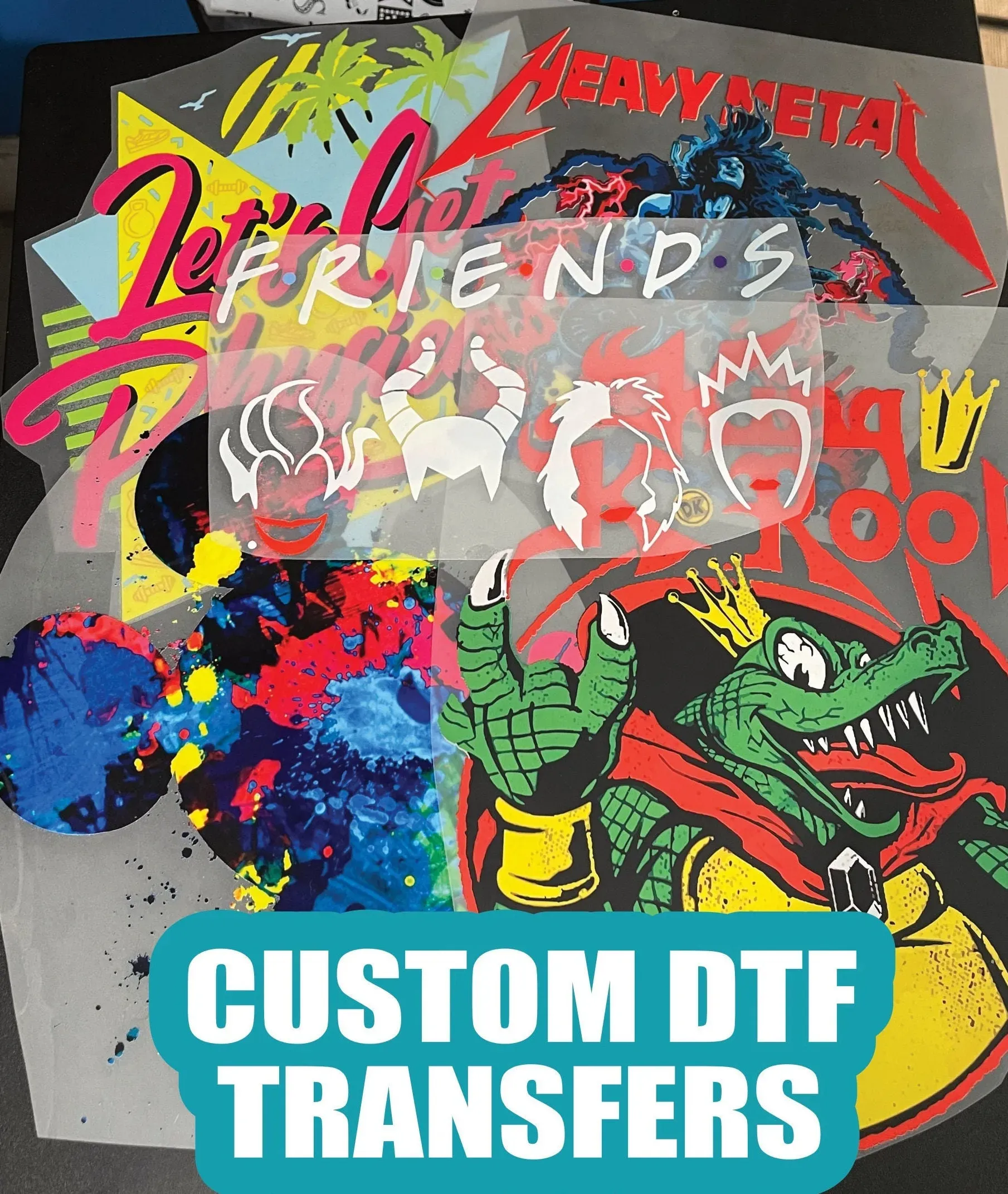
In the dynamic landscape of textile printing, **DTF Transfers** (Direct to Film) have emerged as a cutting-edge solution for custom apparel printing. This innovative technique allows for the quick transfer of intricate designs onto various fabric types, making it a favorite among those looking to stand out in a competitive market. Unlike traditional printing methods, such as screen printing, DTF transfers provide exceptional versatility and stunning color reproduction without the hefty setup costs. As businesses seek more efficient textile printing techniques, the advantages of DTF transfers become increasingly evident. This article will explore how DTF can transform your printing processes and why it may outperform conventional methods.
Direct to Film printing, often abbreviated as DTF, is revolutionizing custom clothing decoration in ways that traditional methods like screen printing cannot. This modern approach offers an alternative for those looking to produce high-quality textile graphics with impressive detail and vibrancy. With the growing popularity of diverse printing techniques, understanding the differences between DTF and time-honored methods is crucial for anyone in the garment industry. As businesses evaluate their printing options, recognizing the benefits of DTF compared to conventional printing practices will be key in making informed decisions. This discussion delves into how DTF transfers can provide superior results in today’s ever-evolving apparel market.
The Evolution of Textile Printing Techniques
Textile printing has undergone a remarkable transformation over the years, transitioning from traditional methods to innovative solutions like Direct to Film (DTF) transfers. Historically, techniques such as screen printing and heat transfer dominated the market, primarily due to their established reliability and quality. However, with advancements in technology and changing consumer demands, more versatile options have emerged, enabling businesses to adapt to the evolving landscape of custom apparel.
DTF transfers represent a significant leap forward, offering benefits that traditional methods often struggle to match. The ability to print high-resolution designs on a diverse range of fabrics without the need for extensive setup is revolutionizing how custom apparel is created. As brands increasingly seek unique designs and faster turnaround times, the evolution toward DTF and other modern techniques becomes not just beneficial, but essential for staying competitive.
Frequently Asked Questions
What are the key differences between DTF Transfers and traditional printing methods?
DTF Transfers (Direct to Film) provide vibrant colors and high detail, making them ideal for custom apparel. In contrast, traditional printing methods like screen printing excel in durability and cost-effectiveness for large runs but may struggle with intricate designs. Ultimately, the choice depends on production needs.
How do DTF Transfers compare to screen printing for custom apparel printing?
While DTF Transfers offer flexibility and better detail for intricate designs, screen printing is more economical for bulk orders and known for its durability. Businesses should consider their specific needs when choosing between DTF and screen printing.
Are DTF Transfers suitable for all types of fabric?
Yes, DTF Transfers are versatile and can be applied to a wide range of fabrics, including cotton, polyester, and blends, making them suitable for various custom apparel options.
What are the advantages of using DTF Transfers in comparison to traditional textile printing techniques?
DTF Transfers offer advantages such as lower startup costs, flexibility across different fabric types, and high-quality prints with vibrant colors. Traditional techniques may be more durable for long-lasting wear but often require higher initial investments.
How does the setup cost for DTF Transfers compare to traditional methods like screen printing?
The initial setup cost for DTF Transfers is generally lower than that of traditional methods like screen printing. While screen printing requires significant investment in screens and setups, DTF only requires basic inkjet technology.
What should businesses consider when choosing between DTF Transfers and traditional printing methods?
Businesses should consider factors such as production volume, design complexity, fabric types, budget constraints, and the desired durability of the finished product. DTF Transfers cater well to small runs and intricate designs, while traditional methods suit larger orders and cost-effective production.
| Key Points | DTF Transfers | Traditional Methods |
|---|---|---|
| What are they? | Printing designs onto a special film and transferring to fabric. | Includes screen printing, heat transfer, and DTG printing. |
| Print Quality | High-resolution prints with rich colors. | May struggle with intricate designs and multiple colors. |
| Setup and Cost | Lower startup costs with standard inkjet technology. | Higher initial investment, but more cost-effective for large volumes. |
| Durability | Good washability, but performance varies. | Highly durable, withstands multiple washes. |
| Versatility | Can print on a variety of fabrics without different setups. | Specific processes required for different materials, limiting flexibility. |
| Best For | Small runs with intricate designs. | Large production volumes needing durability. |
Summary
DTF Transfers offer a revolutionary approach to custom apparel printing, making them a preferred choice for those seeking vibrant colors and flexibility. In the comparison between DTF transfers and traditional printing methods, such as screen printing, the advantages of DTF become evident, especially for small runs and intricate designs. While traditional methods may excel in durability and cost-effectiveness for high volume orders, DTF's accessibility and versatility make it a compelling option for startups and custom businesses. Understanding these contrasts allows businesses to strategically align their printing practices with customer expectations and market trends.