
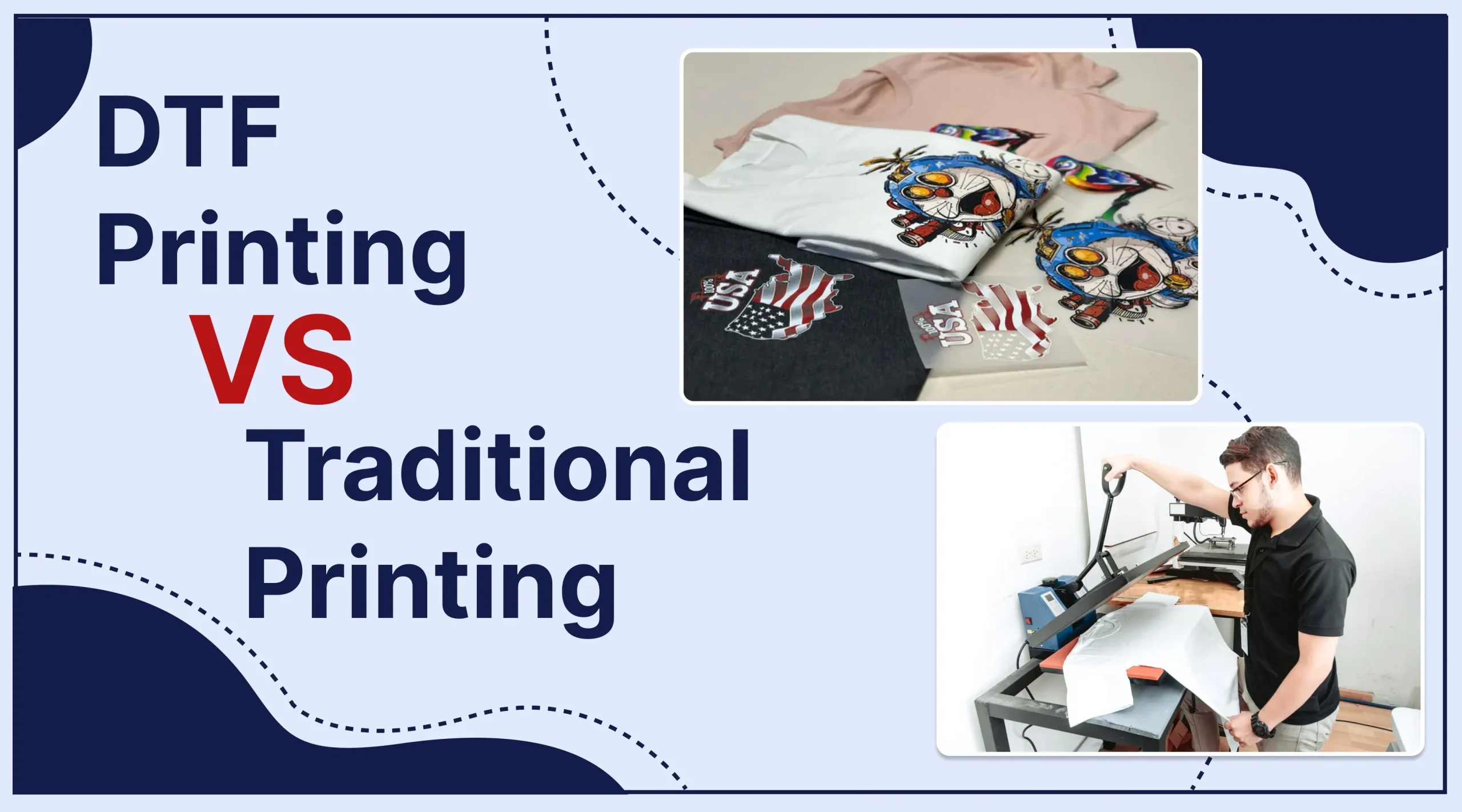
In the competitive realm of garment decoration, the choice between DTF Transfers vs Traditional Printing can significantly impact the outcome of your projects. Direct-to-Film (DTF) printing has emerged as a modern alternative to traditional printing methods, offering versatility, cost efficiency, and vibrant print quality. With its ability to create intricate designs on various fabrics, DTF has captured the attention of businesses looking for sustainable printing methods that do not compromise on quality. This comparison between DTF and traditional techniques like screen printing highlights not only their differences in setup costs and operational efficiency but also their sustainability advantages. As demand for eco-friendly printing solutions rises, understanding these printing modalities is crucial for selecting the right one for your specific needs.
When exploring options for garment decoration, the discussion often revolves around Direct-to-Film printing and more established techniques, such as screen printing and direct-to-garment (DTG) methods. Businesses aiming to create unique apparel must evaluate these modern and traditional options to establish which best aligns with their goals. DTF transfers benefit from innovative technology that allows high-quality prints on diverse fabrics, while traditional printing methods remain staples due to their proven durability and effectiveness in mass production. This dialogue on DTF versus conventional techniques provides insights into their cost implications, production efficiencies, and suitability for various design complexities. As the printing industry evolves, understanding these alternatives is essential for informed decision-making.
Understanding the Mechanics of DTF Printing
Direct-to-Film (DTF) printing has transformed the way we approach garment decoration. Unlike traditional methods that often require direct application of inks onto fabric, DTF utilizes a specialized film to create vibrant designs. This film is printed with a direct-to-film printer using high-quality inks, which allows for high-resolution graphics that capture intricate details and bright colors. After printing, the film is coated with an adhesive powder and then cured, ensuring the image adheres perfectly to any fabric surface during the heat transfer process.
One of the key components of DTF printing is its versatility, as it can be used on a variety of materials, including cotton and polyester. This adaptability makes it an excellent choice for small businesses looking to cater to diverse customer needs, from custom t-shirts to hoodies. Additionally, DTF printing is capable of achieving impressive durability, helping designs withstand being washed repeatedly without fading or cracking, making it a reliable option for high-quality garment production.
Exploring Traditional Printing Methods
Traditional printing methods encompass a range of techniques such as screen printing, direct-to-garment (DTG), and sublimation. Each method has its unique characteristics and ideal applications. For instance, screen printing is renowned for delivering high-quality prints in bulk, with vivid colors and an impressive longevity that appeals to those needing large quantities. However, it can become cost-prohibitive for small runs due to its initial setup costs and the labor involved in creating screens for each color.
On the other hand, DTG offers a modern twist to traditional methods, producing excellent quality for smaller orders and complex designs. However, it faces challenges when printing on darker fabrics unless they are pre-treated, which prompts some businesses to consider a hybrid approach that combines DTF with conventional methods to maximize efficiency and quality.
DTF Transfers vs Traditional Printing: A Detailed Comparison
When comparing DTF transfers to traditional printing methods, several factors come into play, including cost, quality, and applicability. DTF printing tends to have a lower initial investment, making it an appealing option for startups and small businesses. In contrast, traditional printing methods like screen printing, while potentially more cost-effective for mass production, require significant upfront costs and space for equipment. This makes DTF a compelling choice for those testing the market with smaller batch sizes.
Quality is also a critical factor. DTF printing is celebrated for its ability to print intricate designs with excellent color fidelity, whereas traditional methods excel in producing bold, vibrant prints on a larger scale. The longevity of prints is another important consideration; while both methods offer durable results, screen printing is often the choice for products expected to endure heavy use.
Cost Analysis of DTF vs Traditional Methods
Cost can often be a deciding factor when choosing between DTF transfers and traditional printing methods. DTF printing requires a lower initial investment and can produce cost-effective solutions for short runs due to the lack of setup costs associated with screens or plates. This scalability is ideal for businesses looking to offer personalized or smaller runs of garments without incurring steep costs.
Conversely, traditional printing methods, particularly screen printing, become more economical at larger volumes. The per-unit costs decrease significantly when producing bulk orders. However, it’s important to weigh the benefits of each method based on the specific needs of your project, including fabric choices, complexity of design, and target order size.
Sustainable Practices in DTF Printing
In today’s environmentally conscious market, sustainability has become a critical factor for businesses. DTF printing is gaining traction as a more sustainable option compared to many traditional printing methods. The use of water-based inks and reduced energy consumption in the DTF printing process contributes to a lower environmental impact, aligning with consumers’ growing preference for eco-friendly products.
Many printing businesses are adopting DTF approaches not just for the immediate benefits of versatility and cost savings, but also to promote sustainable practices within the industry. With consumers increasingly looking for responsibly produced apparel, DTF printing provides a promising solution that meets market demand while minimizing harm to the environment.
The Future of Printing: Trends and Innovations
As the printing industry continues to evolve, both DTF printing and traditional methods are experiencing significant advancements. The rise of DTF printing technology has opened doors for more efficient production processes and enhanced print quality, making it increasingly competitive with established techniques like screen printing or DTG. Innovations in machinery and inks are continually improving the capabilities of DTF printers, leading to richer colors and greater durability.
On the horizon, we see a trend towards even more customization and on-demand production. Businesses can respond quickly to changing fashion trends or customer preferences, reducing waste and promoting a more sustainable production cycle. This adaptability is crucial as brands and consumers alike continue to prioritize personalized garments over one-size-fits-all solutions.
Frequently Asked Questions
What are the main differences between DTF printing and traditional printing methods?
DTF printing, or Direct-to-Film printing, involves printing designs onto a special film that is then transferred to fabric using heat. In contrast, traditional printing methods, like screen printing and direct-to-garment (DTG), apply ink directly onto the garment. DTF offers versatility for various fabric types and better detail for complex designs, while traditional methods excel in bulk durability and efficiency.
Is DTF printing more cost-effective than traditional printing methods?
DTF printing is generally more cost-effective for smaller orders due to its lower setup costs and ability to handle a variety of print types with one machine. Traditional methods like screen printing become more economical for larger quantities due to reduced costs per unit, thereby making the choice depend largely on order volume.
How does print quality compare between DTF transfers and screen printing?
DTF transfers are known for their vivid colors and intricate details, making them ideal for complex designs. Screen printing, however, provides superior durability and vibrant finishes, particularly for larger orders. The choice between DTF and screen printing largely depends on the specific requirements of your project.
What are the sustainability advantages of DTF printing over traditional methods?
DTF printing often utilizes water-based inks and requires less energy than many traditional methods, making it more environmentally friendly. With an increasing consumer demand for sustainable printing options, DTF is gaining traction among businesses looking to adopt eco-friendly practices in their printing operations.
Can DTF printing be used on all types of fabrics unlike traditional printing methods?
Yes, DTF printing can be used on a wide range of fabrics, including cotton, polyester, and blends, making it highly versatile. In contrast, some traditional methods like screen printing may face challenges with certain fabrics or intricate designs, which limits their application.
What factors should I consider when choosing between DTF printing and traditional printing methods?
When deciding between DTF printing and traditional methods, consider factors such as the type of fabric, design complexity, order volume, and budget. DTF is ideal for flexibility and smaller runs, while traditional methods like screen printing are better suited for large-scale productions where durability is essential.
| Key Points | DTF Transfers | Traditional Printing |
|---|---|---|
| Versatility | Works on various fabrics including cotton, polyester, and blends. | Includes methods like screen printing that can be efficient for larger quantities. |
| Cost Efficiency | Lower setup costs with flexibility for different prints without multiple machines. | Higher initial costs but economical for mass production. |
| Quality of Prints | Produces bright colors and intricate designs with high durability. | Superior durability and vibrant finish, especially for bulk orders. |
| Sustainability | Utilizes water-based inks, appealing to eco-conscious consumers. | Traditional methods may involve more environmental impacts due to processes. |
Summary
DTF Transfers vs Traditional Printing presents a nuanced choice for those involved in garment decoration. Direct-to-Film (DTF) transfers have rapidly gained traction due to their versatility, cost-effectiveness, and ability to deliver vivid, detailed prints on a variety of fabrics. This modern method is particularly attractive for small to medium-sized businesses seeking flexibility. In contrast, traditional printing methods like screen printing excel in producing high-quality, durable garments for large-scale productions, albeit with higher initial costs and limitations on complex designs. As sustainability and on-demand printing continue to shape the industry, understanding the strengths and weaknesses of each technique is crucial for making informed decisions that align with project goals.