
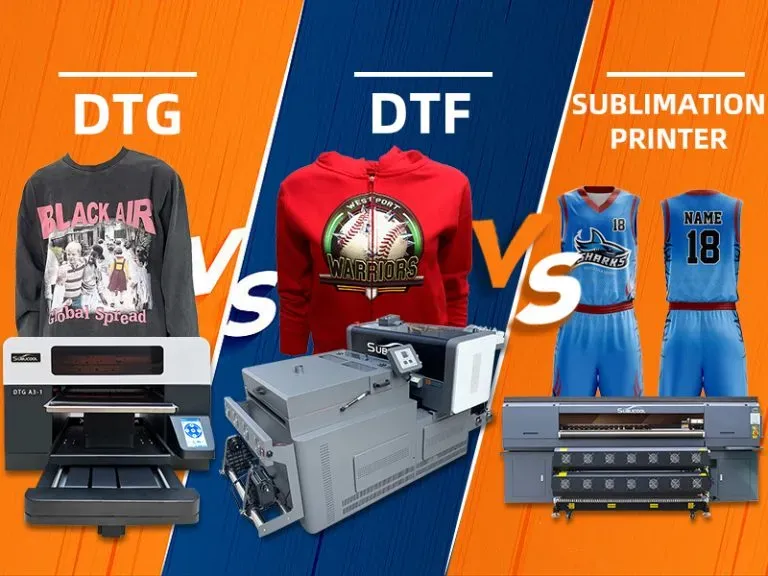
In the realm of garment printing, businesses are often faced with the decision between two leading printing methods: DTF vs DTG. While both Direct to Garment (DTG) and Direct to Film (DTF) have their unique advantages, understanding these distinctions can significantly impact your apparel decoration approach. DTG printing excels with its vibrant color and intricate detail, making it a favorite for small, custom orders. On the other hand, DTF printing offers impressive versatility and cost-efficiency, especially for larger batches and various fabric types. This article will delve deeper into the nuances of DTF vs DTG, helping you determine which printing method aligns best with your business goals and production needs.
When it comes to custom apparel production, companies frequently consider alternative options like DTF printing and DTG printing to meet their needs. These distinct printing techniques cater to different aspects of garment decoration, impacting everything from design capabilities to material compatibility. Each method offers unique strengths; for instance, DTF is recognized for its adaptability across different fabrics, while DTG shines with its high-resolution output for detailed designs. Understanding the dynamics between DTF and DTG is crucial for businesses looking to optimize their printing processes and satisfy customers with diverse preferences. Let's explore what differentiates these printing strategies and how they can influence your operational decisions in the competitive world of apparel printing.
Exploring the Basics of DTG and DTF Printing
In the realm of garment printing, understanding the foundational principles behind various methods is crucial. **Direct to Garment (DTG)** printing utilizes specialized inkjet technology to directly apply designs onto fabric, primarily suited for 100% cotton materials. It offers exceptional quality and detail, making it a preferred option for businesses focusing on high-resolution images. Conversely, **Direct to Film (DTF)** printing prints designs on a specially coated film, which is then transferred to the garment through heat application. This method is particularly advantageous for its versatility, accommodating a broader range of materials and colors.
Both DTG and DTF methods cater to different business needs, with DTG being more suited to small batches and intricate designs, while DTF shines in larger orders with varied fabric types. Understanding these basic principles allows businesses to make informed choices tailored to their production requirements and market demands. As the apparel decoration landscape evolves, keeping abreast of these fundamental concepts can lead to better business decisions.
Comparative Analysis: DTF vs DTG in Performance
When evaluating **DTF vs DTG**, performance metrics such as quality, speed, and cost-effectiveness are paramount. With DTG printing, the quality is often unparalleled, especially for detailed artwork and vibrant colors on suitable substrates. However, this level of quality sometimes comes at the cost of longer production times, making it less ideal for urgent orders. DTF printing, on the other hand, manages to strike a balance by offering a fascinating combination of quality and speed. Thanks to its innovative transfer method, DTF prints can be produced quickly without sacrificing detail, particularly on an array of fabrics.
Moreover, the longevity of prints is a critical consideration in the performance comparison of these two methods. DTG prints have excellent detail retention but may not hold up as well on non-cotton materials compared to DTF, which boasts impressive durability across various fabric types. This comparison underscores the importance of selecting a method that aligns with specific business needs, ensuring optimal output without compromising quality.
Fabric Compatibility in DTF and DTG Printing
Fabric compatibility is a central factor influencing the choice between DTF and DTG printing methods. **DTG printing** is typically limited to light-colored 100% cotton garments, which can restrict a business’s product range. This limitation can be challenging for companies looking to diversify their offerings with synthetic blends or darker materials. By contrast, **DTF printing** excels in this area, boasting the ability to print on various fabrics, including polyester, cotton blends, and even dark-colored textiles. This flexibility makes DTF an appealing option for businesses aiming to cater to a wider audience.
Further emphasizing the impact of fabric compatibility, companies that focus on promotional wear or sports apparel often find DTF to be more advantageous. The ability to print on a diverse range of materials not only elevates product offerings but also enhances customer satisfaction, as consumers today demand variety and quality in clothing. Therefore, assessing the fabric types your business intends to use is essential when deciding between DTF and DTG printing methods.
Cost Implications of DTG and DTF Printing
When comparing the cost implications of **DTF vs DTG**, businesses must evaluate their specific production needs. DTG is often seen as an ideal choice for small orders due to its high-quality output. However, this quality can come at a premium, making it less cost-effective for high-volume printing. On the other hand, DTF printing is recognized for its cost efficiency, especially in larger batch orders, where economies of scale can significantly reduce per-unit costs. Thus, for businesses anticipating bulk production, DTF presents a financially viable option.
Furthermore, businesses should also consider the equipment and maintenance costs associated with both printing methods. DTG printers can require significant upfront investment and ongoing maintenance to ensure quality, while DTF systems generally have lower operational costs, making them accessible for small to medium-sized enterprises. Ultimately, understanding the total cost of ownership for both methods can help businesses make a more informed decision closer to their budgetary constraints.
Speed and Efficiency: Key Factors in Printing Methods
In the fast-paced world of apparel decoration, speed and efficiency are critical considerations for businesses. **DTF printing** offers quicker processing times, allowing for rapid turnaround on orders even when dealing with medium to large volumes. This speed is particularly beneficial for companies that need to meet tight deadlines, such as seasonal promotions or event-based apparel. In contrast, while **DTG printing** produces high-quality results, it may not be the best option for businesses prioritizing swift production times, especially when handling larger orders.
Efficiency also extends beyond just the printing itself. DTF printing typically allows for a streamlined workflow that can result in enhanced productivity overall. With its ability to handle multiple designs quickly and a user-friendly setup, DTF can significantly reduce production bottlenecks that often occur with DTG methods. For businesses eager to scale their operations while maintaining customer satisfaction, the efficiency of DTF printing could make it the superior choice.
Future Trends in Garment Printing Technologies
As the apparel decoration industry continues to evolve, staying informed about emerging trends in printing technologies becomes essential for businesses. Innovations like the latest DTF printers, designed specifically for smaller operators, reflect a growing trend towards greater accessibility and efficiency in **garment printing**. These advancements not only make high-quality printing more attainable but also offer ways to scale operations without sacrificing quality or increasing costs.
In addition, hybrid technologies combining the strengths of DTF and DTG methods are on the rise, allowing businesses to leverage the best aspects of both worlds. As consumer demands shift towards customization and rapid delivery, keeping pace with these trends will be crucial. Businesses that adapt to these advancements can enhance their competitive edge, cater to diverse consumer preferences, and ultimately ensure sustainable growth in the ever-changing landscape of apparel decoration.
Frequently Asked Questions
What are the main differences between DTF and DTG printing methods?
DTF (Direct to Film) printing transfers designs from a printed film to fabric, allowing for broader material compatibility—including polyester and blends—while DTG (Direct to Garment) printing utilizes inkjet technology to print directly onto garments, ideally on 100% cotton fabrics. DTF is generally faster and more cost-effective for larger orders, whereas DTG excels in producing high-quality, detailed prints for smaller batches.
Which method is better for garment printing in terms of fabric compatibility: DTF or DTG?
DTF (Direct to Film) printing offers superior fabric compatibility as it can print on a wide range of materials, including cotton blends and dark colors. In contrast, DTG (Direct to Garment) printing is best suited for 100% cotton fabrics, primarily light-colored garments. Therefore, if your business works with various fabric types, DTF would be the better option.
Is DTF printing more cost-effective than DTG for large orders?
Yes, DTF (Direct to Film) printing is generally more cost-effective for medium to large batch orders compared to DTG (Direct to Garment) printing. The price per unit tends to decrease as volume increases with DTF, making it a more economical choice for businesses that frequently handle larger production runs.
How does print quality compare between DTF and DTG printing methods?
Both DTF (Direct to Film) and DTG (Direct to Garment) printing offer high-quality results, but they excel in different areas. DTG is renowned for its ability to reproduce intricate designs with sharp details and vibrant colors, making it ideal for high-resolution artwork. On the other hand, DTF provides impressive durability and color retention after washing, catering to long-lasting apparel needs, though some may find DTG superior for complex designs.
What is the turnaround time for DTF vs DTG printing?
DFT (Direct to Film) printing usually provides faster turnaround times compared to DTG (Direct to Garment) printing. DTF’s quicker processing allows for rapid fulfillment of orders, making it a preferable choice when time constraints are a factor. Meanwhile, DTG may involve longer setup and printing times, especially for larger volumes.
Can businesses use both DTF and DTG printing methods for apparel decoration?
Absolutely! Many businesses adopt a hybrid approach, utilizing both DTF (Direct to Film) and DTG (Direct to Garment) printing methods. This allows them to capitalize on the strengths of each technique, catering to various customer needs, fabric types, and quantity requirements effectively.
| Aspect | DTG (Direct to Garment) | DTF (Direct to Film) |
|---|---|---|
| Material Compatibility | Best with 100% cotton, light colors. | Works on a variety of fabrics (polyester, blends, dark colors). |
| Quality | High quality with detailed designs and vibrant colors. | High quality but may vary by technology used. |
| Turnaround Time | Longer setup and print time, especially for large orders. | Faster processing times, ideal for quick orders. |
| Cost-Effectiveness | Better for small batches with high quality. | More cost-effective for medium to large orders. |
| Durability of Prints | Durability varies; may fade over time. | Known for durability even after multiple washes. |
Summary
DTF vs DTG is a critical consideration for businesses in the apparel printing sector, as both methods offer distinct advantages and limitations. Direct to Garment (DTG) focuses on high-quality prints and is ideal for detailed designs but is best suited for cotton fabrics and smaller orders. In contrast, Direct to Film (DTF) provides greater versatility across various fabric types, cost savings for larger quantities, and faster production speeds. Understanding these differences can help businesses choose the right method that aligns with their operational needs and enhances their competitiveness in a dynamic market.