
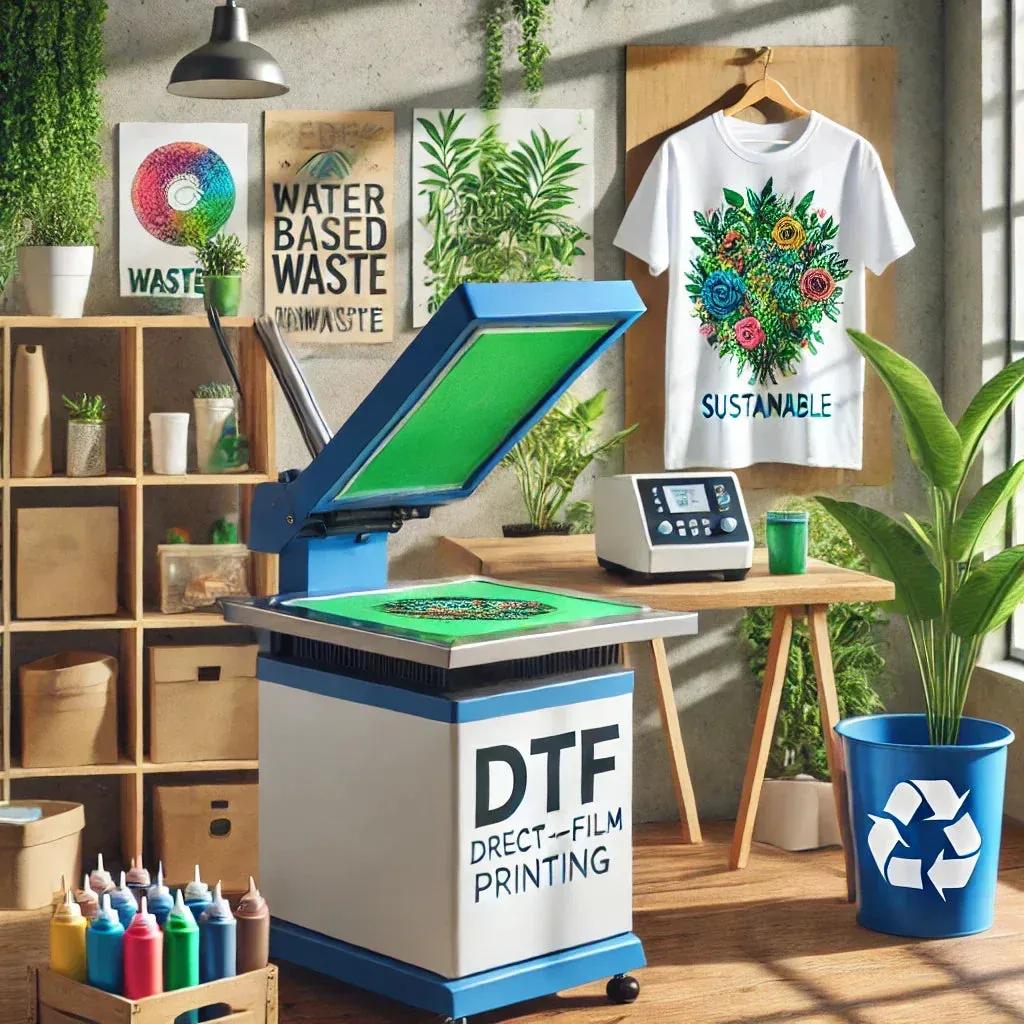
The environmental impact of DTF printing is a pivotal concern in today’s eco-conscious society. As this innovative printing technique gains traction in the textile industry, it is essential to understand its implications on sustainability. DTF printing stands out for its efficiency and high-quality output; however, it also prompts discussions about sustainable printing practices and the chemical use in DTF printing. The industry faces challenges regarding waste generation in printing and energy consumption in DTF processes, leading many manufacturers to re-evaluate their operational practices. By prioritizing eco-friendliness, the sector can harness the benefits of DTF printing while minimizing its ecological footprint.
Examining the ecological effects of Direct-to-Film (DTF) printing reveals a multifaceted perspective on modern textile technologies. Particularly known for its vibrant and detailed prints, this method raises questions regarding its sustainability and the environmental implications associated with its processes. From understanding the role of chemicals in DTF production to assessing energy consumption and waste management practices, the conversation around sustainable printing is increasingly relevant. As the push for greener solutions intensifies, stakeholders in the textile industry are urged to explore alternatives that align with eco-friendly standards. Ultimately, the goal is to ensure that innovative printing techniques contribute positively to both production efficiency and environmental stewardship.
Exploring the Eco-Friendliness of DTF Printing
Direct-to-Film (DTF) printing presents unique advantages in eco-friendliness, particularly when examining its chemical use and waste management practices. This innovative printing method often employs water-based inks, which are typically less harmful to the environment compared to traditional solvent-based options. By eliminating the need for heavy pre-treatment with toxic substances, DTF printing reduces overall chemical exposure, making it a more attractive choice for companies aiming to adopt sustainable printing practices.
Moreover, many DTF printing producers are now investing in biodegradable and recyclable film materials, further enhancing their eco-friendliness. In conjunction with water-based inks, these sustainable materials minimize waste generation and potentially diminish the ecological footprint associated with the printing process. By prioritizing such eco-friendly practices, DTF printing can significantly reduce its environmental impact, aligning itself with the growing demand for sustainability in the textile industry.
The Environmental Impact of DTF Printing
The environmental impact of DTF printing is a multi-faceted issue that requires careful consideration of its entire lifecycle, from production to disposal. While DTF printing boasts some environmentally friendly traits, its energy consumption during the curing process raises concerns. The significant energy required to transfer designs can contribute to a larger carbon footprint compared to other printing methods. Companies focusing on energy-efficient machinery and techniques can help mitigate these concerns, but it remains a critical area for improvement.
Additionally, the potential for hazardous chemical use in some ink formulations cannot be overlooked. Despite many manufacturers opting for safer water-based inks, the presence of harmful substances like phthalates in certain DTF inks still poses risks to both consumer health and the environment. As awareness around these issues rises, the industry is challenged to adopt more stringent standards for chemical use and disposal, ensuring that the benefits of DTF printing do not come at the cost of public or environmental health.
Waste Generation: Challenges and Solutions
DTF printing generates a variety of waste, including excess ink, films, and byproducts, which must be managed responsibly to avoid environmental degradation. When these materials fail to undergo proper disposal methods, they can contribute to pollution and landfill overflow. Therefore, effective waste management becomes paramount for DTF printing operations engaged in sustainable practices. Recycling initiatives for leftover films and implementing protocols for the safe disposal of chemicals can significantly reduce waste generation, enabling a more eco-friendly approach.
To combat waste issues, many DTF printing companies are now motivated toward adopting a circular economy model. This involves not just recycling but also reusing materials wherever possible and minimizing new resource consumption. By collecting and repurposing unused ink and film, businesses can create a more sustainable operational environment, fostering a culture of accountability in management practices. Emphasizing waste reduction strategies is essential to lessen the environmental impact associated with DTF printing.
Energy Efficiency in DTF Printing
Energy efficiency plays a crucial role in assessing the environmental impact of DTF printing. During the printing process, particularly in the heat transfer phase, significant energy consumption is needed to cure the printed designs effectively. While some advancements have been made to develop energy-efficient machines, many operations still face challenges in lowering their energy requirements. Transitioning to technologies that prioritize lower energy consumption can lead to substantial reductions in overall carbon emissions from DTF printing.
Moreover, adopting best practices—such as tackling energy waste through better operational management and scheduling print runs during off-peak energy usage—can assist in reducing energy consumption. Educating personnel on energy efficiency and investing in renewable energy sources can further transform standard energy practices, helping to create a more sustainable printing environment. By focusing on energy efficiency, DTF printing operations can contribute to a greener industry while serving the increasing demands for environmentally friendly products.
Sustainable Innovations in DTF Printing
As the environmental issues associated with DTF printing grow more critical, businesses are increasingly adopting sustainable innovations to stay competitive and responsible. Innovations such as bio-based inks and compostable films are emerging as part of a broader commitment to reducing the ecological footprint of printing processes. Many textile manufacturers are beginning to integrate these eco-friendly materials, ensuring that their products not only appeal to consumers but also uphold environmental values.
In addition to material innovations, the implementation of sustainable supply chain practices is key. Navigating the transition toward a greener DTF printing approach involves collaborating with suppliers committed to sustainability. This can lead to improved processes that support both the environment and the business. By investing in renewable resources and sustainable technologies, DTF printing companies position themselves favorably with an audience increasingly concerned about ecological impacts.
Future Regulations and Trends in Sustainable DTF Printing
As the textile printing industry evolves, new regulations are expected to emerge, emphasizing the importance of sustainability in DTF printing. Regulatory bodies are likely to introduce standards aimed at reducing the environmental impacts of chemical use and waste management. Staying compliant will be essential for businesses wishing to maintain competitiveness and establish consumer trust. These regulations could encompass limits on harmful chemical use, improved waste disposal mechanisms, and enhanced accountability in environmental stewardship.
Moreover, the trend toward eco-labeling and certifications is gaining ground, urging manufacturers to adopt more sustainable practices or risk losing customers to those who make environmental responsibility a priority. This drive for transparency and accountability in production processes can push DTF printing companies to enhance their practices continually. As regulations tighten and consumer preferences shift towards greener options, the DTF printing industry must adapt to thrive in an increasingly eco-conscious marketplace.
Frequently Asked Questions
What is the environmental impact of DTF printing compared to traditional printing methods?
The environmental impact of DTF printing presents both advantages and challenges compared to traditional methods like screen printing. DTF printing typically uses less water and reduces the need for harmful pre-treatment chemicals, thereby minimizing the water footprint and chemical discharge. However, it does generate waste products, and its energy consumption during the curing process can be higher. A holistic comparison requires examining the operational practices of specific printers.
Are the inks used in DTF printing eco-friendly?
DTF printing primarily utilizes water-based inks, which are considered more eco-friendly than solvent-based inks. However, some formulations can still contain toxic substances like phthalates. While water-based inks reduce the ecological footprint, proper handling and disposal are crucial to ensure minimal environmental harm.
What waste generation issues are associated with DTF printing?
DTF printing generates waste in the form of excess inks, films, and other byproducts. If not managed properly, this waste can contribute to environmental damage. Implementing effective waste management practices, such as recycling excess films and disposing of chemicals responsibly, is essential for mitigating the environmental impact of DTF printing.
How does the energy consumption of DTF printing compare to other printing methods?
DTF printing often requires significant energy, particularly during the heat application process for transferring designs. While advancements are being made to reduce energy usage, it generally consumes more energy than some traditional fabric printing methods. Adopting energy-efficient machinery can help mitigate this impact.
What sustainable practices are being adopted in DTF printing?
Many DTF printing companies are focusing on sustainable practices, such as using recyclable materials for films and developing eco-friendly inks. There is also a move toward circular economy principles that emphasize waste reduction and resource reuse, enhancing the overall environmental responsibility of DTF printing.
Are there regulations affecting the environmental impact of DTF printing?
Yes, the textile printing industry is seeing a push for new regulations aimed at reducing environmental impact, particularly regarding chemical safety and waste management. Compliance with emerging standards will be critical for DTF printing operations to promote ecological responsibility and remain competitive in a market that increasingly values sustainability.
| Aspect | Details |
|---|---|
| Understanding DTF Printing | DTF printing prints designs on a specialized film, transferring them to textiles with heat and pressure. |
| Chemical Use | Uses primarily water-based inks, which are eco-friendlier but may still contain harmful substances like phthalates. |
| Waste Management | Generates waste such as excess inks and films; proper management is essential to reduce environmental impact. |
| Energy Consumption | Requires significant energy, especially in the curing process, though advancements aim to reduce energy usage. |
| Sustainable Practices | Adoption of recyclable materials and eco-friendly inks; companies are looking to minimize waste and enhance resource reusability. |
| Comparison to Traditional Methods | DTF printing may have advantages in water and chemical usage compared to traditional screen printing, but evaluations must consider unique operational practices. |
| Industry Regulations and Trends | Growing demand for regulations targeting chemical safety and waste management; requires adaptation to ensure ecological responsibility. |
Summary
The environmental impact of DTF printing is a multifaceted issue that encompasses various factors including chemical usage, waste generation, and energy consumption. With its rise in popularity, the scrutiny regarding how this printing method affects our planet grows. While DTF printing does present some environmental advantages over traditional techniques, particularly in water usage and chemical discharge, it's vital that manufacturers adopt sustainable practices to mitigate potential negative impacts. The transition to eco-friendly inks and better waste management systems is encouraging, but continuous improvement and adherence to evolving industry regulations are essential. As the market demands increased transparency in environmental practices, businesses must innovate towards sustainability to meet consumer expectations, ultimately paving the way for a greener future in textile printing.