
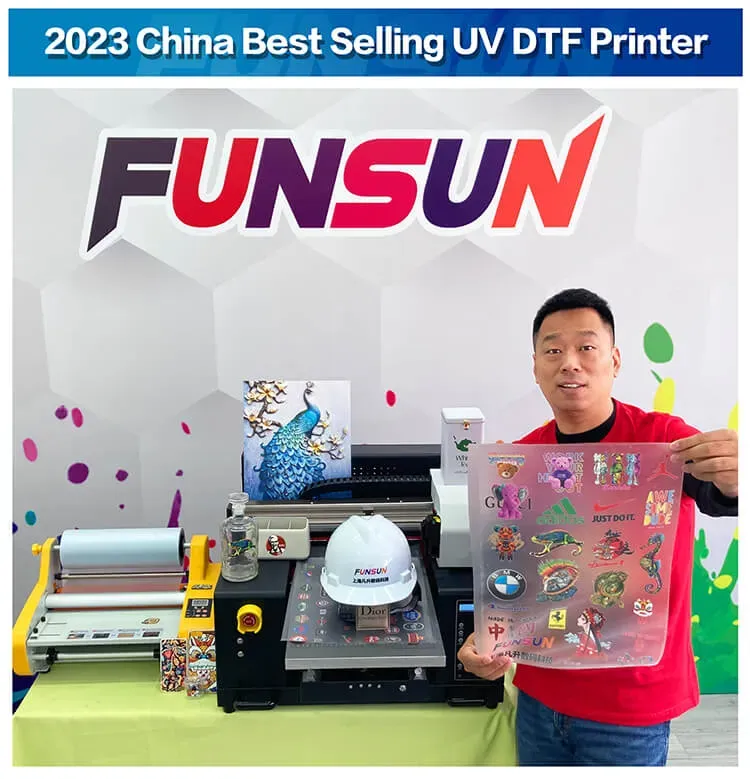
In the dynamic realm of printing, UV DTF printing has emerged as a groundbreaking method that transforms traditional practices. This innovative technology utilizes ultraviolet light to cure inks swiftly on films, enabling the transfer of vibrant designs onto various substrates. Unlike traditional printing methods, UV DTF printing stands out for its high-resolution capabilities and exceptional print durability. Businesses can leverage the benefits of UV DTF, which not only offers cost-effectiveness over time but also allows for creative flexibilities that traditional printing may struggle to match. With its growing popularity, UV DTF advantages are becoming increasingly clear, underscoring its potential to redefine the future of personalized commercial printing.
When considering various printing techniques, UV Direct-to-Film (DTF) printing has quickly risen to the forefront of modern approaches. This advanced printing technology distinguishes itself from long-standing traditional printing methods like screen and offset printing. The versatility of UV DTF allows it to cater to a wider range of materials, from plastics to textiles, promising custom high-quality results. With a focus on maximizing print quality and minimizing setup times, this technique poses significant benefits for businesses seeking efficient solutions. As the landscape of printing continues to evolve, understanding the distinctions between these methods is crucial for making informed decisions regarding print production.
Understanding the Mechanism of UV DTF Printing
UV DTF printing utilizes cutting-edge technology that incorporates ultraviolet light to cure inks as they're applied to a special film. This unique process allows for rapid production, ensuring that the printed results are not only immediate but also highly durable. Unlike traditional printing techniques that often require extensive preparation and setup, UV DTF simplifies this through its innovative approach. The ability to print on various substrates—from rigid materials like metals to flexible fabrics—demonstrates the remarkable adaptability and efficiency of UV DTF printers.
This method yields high-resolution prints with vibrant colors, which is a key selling point for businesses creating custom products. UV DTF also eliminates the need for excessive pre-treatment, allowing for a seamless transition from design to final product. Thus, enterprises looking to provide bespoke merchandise can benefit significantly from the speed and flexibility offered by UV DTF printing.
Comparing Print Quality: UV DTF vs Traditional Printing
When evaluating print quality, UV DTF printing generally excels with its ability to produce stunning details and color saturation. While traditional printing techniques like screen printing and offset printing also deliver high-quality results, they often falter in producing intricate designs and vibrant colors when compared to UV DTF. This is primarily due to the curing process that locks in the ink at high clarity, resulting in images that are sharp and visually striking.
Additionally, UV DTF prints often exhibit superior durability compared to those produced by traditional methods; their resistance to fading, scratching, and environmental factors ensures that the prints maintain their quality over time. For businesses that require longevity in their products—such as signage or outdoor materials—the enhanced print quality provided by UV DTF is a crucial advantage.
Cost Analysis: Traditional Printing vs UV DTF
While traditional printing can be more cost-effective for large-scale productions due to economies of scale, the cost of UV DTF printing is becoming increasingly competitive. The initial investment in UV DTF technology has decreased, making it a viable option for small to medium-sized enterprises. Furthermore, UV DTF requires fewer materials for setup, reducing overhead and waste, which ultimately contributes to overall cost savings for businesses.
Traditional printing may seem cheaper for bulk orders, but when considering the time saved in production and the high quality of prints, UV DTF can provide a better price-performance ratio. It's also important to consider the long-term benefits of UV DTF's durability, as products printed through this method often require fewer replacements, leading to further savings down the line.
The Advantages of UV DTF Printing
One of the primary advantages of UV DTF printing is its unparalleled versatility. Unlike traditional printing methods that may be limited to specific types of materials, UV DTF can be applied to a broader range of substrates. This capability empowers businesses to explore creative applications, producing anything from intricate promotional items to high-quality fashion textiles. Companies looking to differentiate their product offerings will find UV DTF to be an invaluable tool.
Another significant advantage of UV DTF is its speed and efficiency. The possibility of quick print cycles translates to shorter turnaround times for orders, a crucial factor in today's fast-paced market. Businesses can respond promptly to customer requests, enhancing their competitive edge. The reduced need for extensive setup and clean-up further streamlines the production process, enabling companies to focus on growth and innovation.
Future Trends in Printing Technologies
As we look to the future of printing, UV DTF technology is poised for rapid growth. With advancements in UV curing technology and ink formulations, we can expect even higher quality outputs, faster printing speeds, and broader material compatibility. This trend aligns with the increasing demand for personalized products, making UV DTF a perfect fit for businesses aiming to cater to niche markets.
Conversely, traditional printing is maintaining its relevance by adapting to changes in the market. Techniques such as hybrid printing are being developed to combine the efficiency of digital methods with the robust quality of traditional approaches. Businesses that stay informed about these trends will have a strategic advantage, making it essential to continuously explore both UV DTF and traditional printing methods for future applications.
Choosing the Right Printing Method for Your Business
The choice between UV DTF and traditional printing methods ultimately hinges on specific business needs. Companies focused on producing high volumes of standard materials might lean towards traditional printing for its established economy, while businesses that thrive on customization and quality may find UV DTF to be more beneficial. It’s crucial to assess the desired print applications, production timelines, and budget constraints when making this decision.
Moreover, understanding the target market is vital in determining the right method. For businesses targeting industries that emphasize quality and versatility, such as fashion or signage, UV DTF printing may prove more advantageous. In contrast, companies in sectors reliant on mass-produced materials could prioritize traditional methods. As the printing landscape continues to evolve, staying adaptable and informed will empower businesses to make strategic printing decisions.
Frequently Asked Questions
What are the advantages of UV DTF printing over traditional printing?
UV DTF printing offers several advantages compared to traditional printing methods, including exceptional print quality, versatility across various substrates, and faster production times. The use of UV light for curing allows for vibrant colors and fine details, making UV DTF ideal for custom designs. Additionally, its adaptability to different materials enhances its appeal for businesses seeking diverse product offerings.
How does the cost of UV DTF printing compare to the cost of traditional printing?
The cost of UV DTF printing can be lower in terms of setup and material waste, particularly for smaller runs, while traditional printing techniques may offer economies of scale for large volume orders. Although initial investments in UV DTF technology may be high, the overall costs can decrease with efficient production and minimal material requirements, making it competitive for various printing needs.
What is the print quality comparison between UV DTF printing and traditional printing methods?
When comparing print quality, UV DTF printing generally surpasses traditional printing methods in terms of detail and color vibrancy. UV DTF's curing process results in lasting effects that resist fading and scratches, offering higher durability for various applications. In contrast, traditional printing methods can achieve high quality but may lack the same level of detail and colors produced by UV DTF.
Are there specific applications where UV DTF printing is more beneficial than traditional printing?
Yes, UV DTF printing is particularly beneficial for applications requiring high-resolution designs on mixed materials, such as promotional items, custom apparel, or signage. The versatility of UV DTF allows businesses to produce high-quality prints on both rigid and flexible substrates, making it ideal for a wide range of products that traditional methods may struggle with.
What should businesses consider when choosing between UV DTF printing and traditional printing?
When deciding between UV DTF and traditional printing, businesses should consider factors such as production volume, required print quality, substrate versatility, and overall cost-effectiveness. Smaller businesses aiming for custom designs or lower production runs may find UV DTF more suitable, while those needing large quantities may benefit from the efficiency of traditional methods.
How does UV DTF printing technology impact the future of the print industry compared to traditional printing?
UV DTF printing is poised to influence the future of the print industry significantly due to its accessibility and efficiency, allowing smaller businesses and individual entrepreneurs to enter the market. With advancements in UV DTF technology, the potential for high-quality, diverse printing options is expanding, potentially shifting preferences away from traditional printing methods for certain applications.
| Aspect | UV DTF Printing | Traditional Printing |
|---|---|---|
| Definition | Uses UV light to cure ink on film, allowing transfer to various substrates. | Includes methods like screen printing, offset printing, and lithography, primarily for bulk orders. |
| Versatility | Can print on a wide range of materials, including metals, plastic, and textiles. | Limited primarily to traditional materials, though some techniques offer unique finishes. |
| Print Quality | Produces high-resolution prints with vibrant colors; often superior to traditional methods. | High quality, especially in large volumes, but may lack the vibrancy of UV DTF. |
| Speed and Efficiency | Faster turnaround times with shorter setup periods and less waste. | Slower setup and production times, especially when producing smaller quantities. |
| Cost Considerations | Lower initial investment with rising accessibility; variable costs based on materials. | Cost-effective for bulk orders but higher upfront equipment and material costs. |
| Market Trends | Increasing popularity among small businesses and hobbyists for custom printing. | Continues to dominate in larger manufacturing settings while adapting to market changes. |
Summary
UV DTF printing has emerged as a powerful method in the realm of modern printing, offering distinct advantages over traditional techniques. By utilizing ultraviolet light for curing ink on film, UV DTF provides remarkable qualities such as versatility, superior detail, and efficiency, which cater especially well to the needs of small businesses and custom product makers. Although traditional printing methods maintain relevance due to their established practices and cost-effectiveness for mass production, the adaptability and innovations within UV DTF are making it an increasingly popular choice. As technology evolves, businesses must carefully evaluate the advantages each printing method offers to find the best fit for their unique needs.