
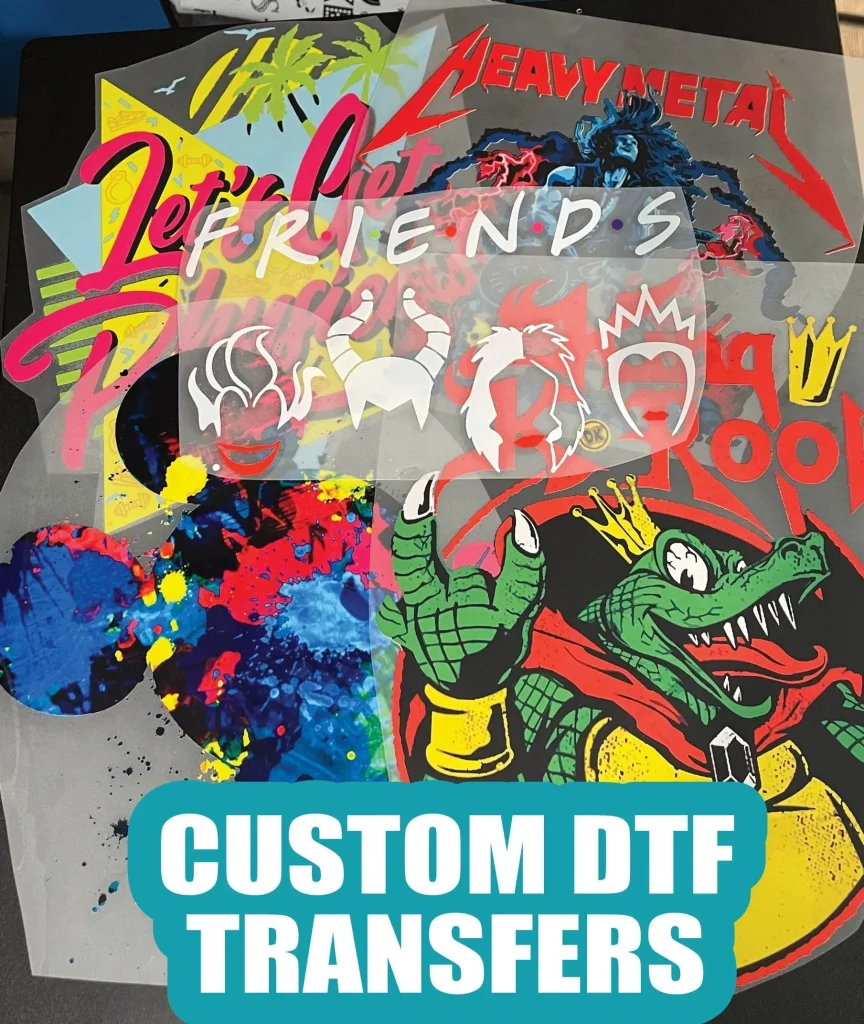
DTF transfers, or Direct-to-Film transfers, are revolutionizing the way garment decorators and small business owners approach custom apparel printing. This innovative technique blends the best of traditional heat transfer with modern Direct-to-Garment (DTG) methods to create stunning, vibrant prints that can effortlessly adorn a wide array of fabrics. For beginners looking to delve into the DTF transfer process, this guide provides essential insights into the necessary equipment and techniques required for successful printing. By harnessing specialized DTF printing equipment and understanding the benefits this process offers, you will be well on your way to creating beautiful, intricate designs that capture attention. Get ready to embark on your journey into the exciting world of DTF printing, where creativity knows no limits.
When it comes to customized garment printing, concepts like film transfers and the inkjet transfer process are gaining popularity among enthusiasts and entrepreneurs alike. This method not only allows for exceptional color reproduction but also accommodates detailed designs on various fabric types, making it a versatile choice for both beginners and seasoned pros. Employing a unique combination of specialized films and inks, this printing technique is designed to deliver quality results that stand out. In the realm of apparel customization, mastering this process equips you with the tools to successfully create printed items that resonate with your target audience and enhance your brand identity. Explore how these advanced printing methods can revolutionize your apparel creation efforts and set your designs apart in a competitive market.
Understanding the Basics of DTF Printing
Direct-to-Film (DTF) printing has revolutionized the way custom designs are transferred onto garments, making it a popular choice among beginners. This process begins with the creation of designs in graphic software, which can then be printed using specialized DTF printers or modified inkjet printers. The beauty of DTF printing lies in its compatibility with various fabric types, allowing for high-quality designs on both light and dark materials, making it an essential technique for aspiring entrepreneurs and hobbyists alike.
The DTF transfer process combines simplicity with sophistication, requiring minimal equipment while delivering maximum results. The essential components include dedicated DTF inks, transfer films, and an efficient heat press. With the right setup, even beginners can achieve professional-quality prints that meet the demands of any garment decoration project. Understanding these basic components equips newcomers with the knowledge to start their DTF printing journey confidently.
Essential Equipment for DTF Transfers
To successfully execute DTF transfers, investing in the right equipment is crucial. Key items in your arsenal include a dedicated DTF printer, which is designed to handle the unique printing needs of this process. Alternatively, beginners can utilize modified inkjet printers, such as those from the Epson EcoTank line, renowned for their adaptability to DTF inks.
In addition to the printer, high-quality DTF transfer films and water-based inks are needed to ensure vibrant and long-lasting prints. Moreover, adhesive powder plays a vital role in securing printed designs to the garment during the heat transfer process. Completing your toolkit with a reliable heat press and suitable graphic design software will set you up for success in DTF printing.
The DTF Transfer Process Explained
The DTF transfer process involves several key steps to achieve stunning results. Initially, you must create a design using graphic design software, taking into consideration the fabric type and color. After preparing your artwork, the next step is to print it onto DTF transfer film using your chosen printer. It’s important to ensure that printer settings are configured for DTF printing to achieve the best output.
Following the printing stage, while the ink is still wet, the critical application of adhesive powder takes place. This powder ensures that the design adheres firmly to the fabric once heat is applied. The curing process follows, where heat is applied to melt the adhesive onto the printed ink. Finally, using a heat press, you align your film on the garment and transfer the design to complete the process. Mastering these steps paves the way for efficient and effective DTF printing.
Advantages of DTF Transfers for Beginners
One of the standout advantages of DTF transfers is the high-quality color reproduction they deliver, producing vibrant and eye-catching prints. This method enables detailed designs to shine on various fabric types, making it an ideal choice for beginners looking to create intricate graphics. The ability to print on both light and dark materials without compromising quality is an added bonus for those venturing into garment decoration.
Furthermore, DTF transfers present a cost-effective solution for those starting their printing ventures. The relatively low initial investment in equipment and materials, compared to other printing methods, allows beginners to explore their creativity without breaking the bank. The versatility of DTF printing caters to a wide range of projects, enabling individuals to experiment with custom clothing, promotional merchandise, and more.
DTF Printing: Tips for Beginners
As you embark on your DTF printing journey, there are several tips that can enhance your experience and results. First, take the time to familiarize yourself with the settings and capabilities of your printer. Proper calibration is essential to ensure your designs translate well onto the transfer film. Additionally, practice designing with varying levels of complexity to master the nuances of DTF printing.
Engaging with online communities and forums dedicated to DTF printing can also provide valuable insights and troubleshooting tips. Many experienced users share their best practices, which can be incredibly beneficial for beginners. Remember to take notes and document your processes, as this will help you refine your technique and improve the quality of your prints over time.
Cost-Effectiveness of DTF Printing for Small Businesses
Starting a small business focused on DTF printing can be a financially savvy decision due to the cost-effective nature of this printing method. Compared to other traditional methods such as screen printing and DTG printing, DTF transfers require a lower initial investment in equipment and materials. This accessibility allows budding entrepreneurs to enter the garment decoration market with minimal financial risk.
Moreover, the efficiency of DTF transfers means that you can produce small to medium runs without sacrificing quality. This flexibility is ideal for custom orders, special events, and personal projects. By leveraging the advantages of DTF printing, small businesses can fulfill customer demands while optimizing their production processes.
Frequently Asked Questions
What are DTF transfers and how do they work?
DTF transfers, or Direct-to-Film transfers, use specialized oil-based film and adhesive to print intricate designs onto garments. The process involves printing onto a specially designed transfer film, applying adhesive powder, curing the design, and then heat pressing it onto the fabric. This method allows for vibrant prints on both light and dark fabrics.
What equipment do I need for DTF printing as a beginner?
As a beginner in DTF printing, essential equipment includes a dedicated DTF printer or a modified inkjet printer, DTF inks, transfer film, adhesive powder, a quality heat press, and graphic design software. These components are vital for achieving high-quality DTF transfers.
Can I use regular printers for DTF transfers?
While a dedicated DTF printer is ideal for producing high-quality prints, many beginners successfully use modified inkjet printers, such as the Epson EcoTank. It’s important to ensure that the printer is compatible with DTF inks to achieve the best results in your DTF transfer process.
What is the advantage of DTF transfers over other printing methods?
DTF transfers offer numerous advantages, including high-quality color reproduction, the versatility to print on both light and dark fabrics, and the ability to produce intricate designs with precision. These benefits make DTF printing an appealing choice for beginners and established apparel entrepreneurs alike.
How do I ensure a successful DTF transfer?
To ensure a successful DTF transfer, follow the key steps: design your artwork accurately, use the correct printer settings, apply adhesive powder promptly after printing, cure the printed film properly, and maintain the right heat and pressure during the heat pressing. Attention to detail at each stage of the DTF printing process will yield excellent results.
Is DTF printing cost-effective for small businesses?
Yes, starting a DTF printing business can be cost-effective due to the relatively low initial investment in equipment and materials compared to other printing methods. DTF transfers are efficient for small to medium runs, making them an ideal choice for entrepreneurs looking to create custom apparel without significant overhead costs.
| Key Components | Description | Importance | Notes | ||
|---|---|---|---|---|---|
| Printer | Dedicated DTF printer or modified inkjet (e.g., Epson EcoTank) | Essential for high-quality printing during the transfer process. | |||
Summary
DTF transfers are an innovative printing method that provides a fantastic opportunity for beginners in the garment decoration industry. Whether you’re looking to create custom apparel or start a small printing business, understanding DTF transfers will equip you with the necessary knowledge to produce vibrant and detailed prints on various fabrics. By gathering the essential components, familiarizing yourself with the printing process, and exploring the advantages of DTF printing, you can efficiently engage in creating high-quality designs. As you embark on this creative journey, remember that DTF printing is not just a hobby but a gateway to numerous professional opportunities.