
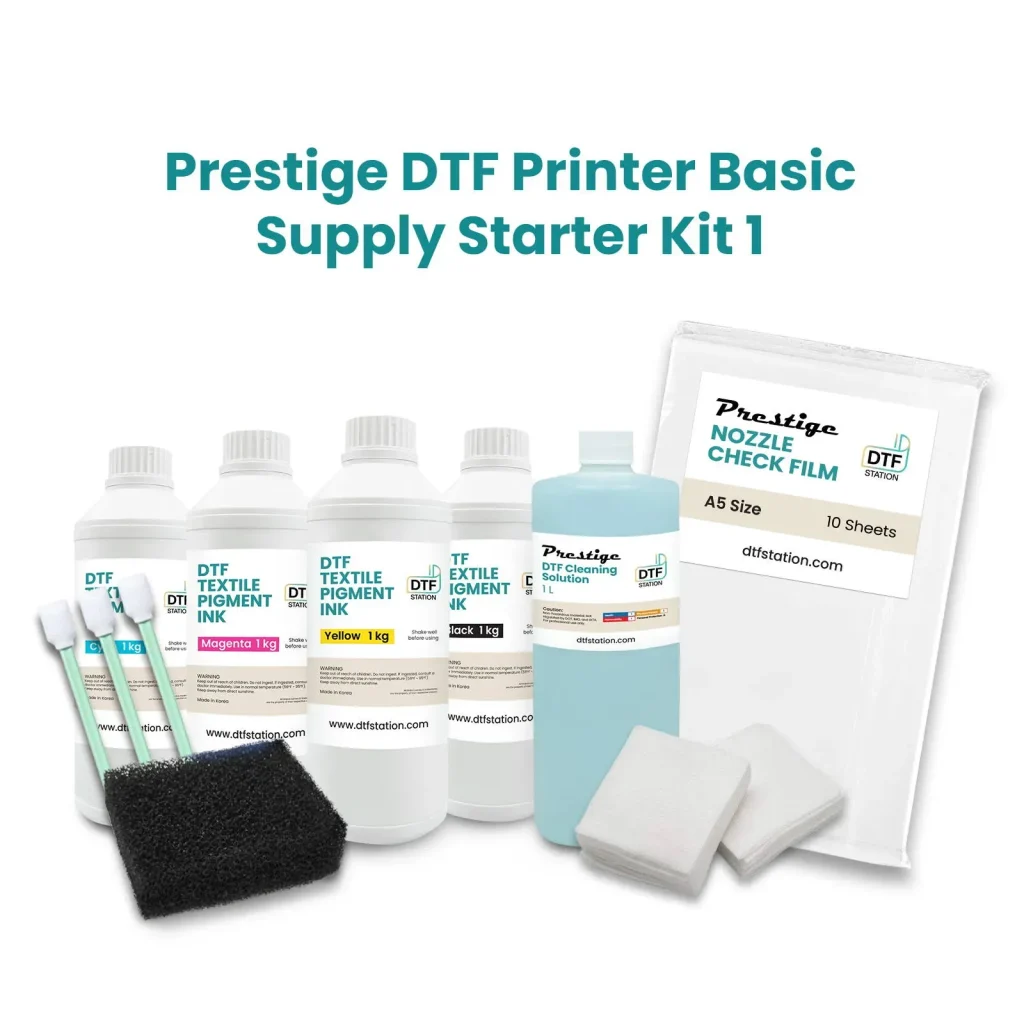
DTF supplies play a pivotal role in the world of garment printing, especially as the Direct to Film (DTF) printing technique continues to gain popularity. This innovative method not only offers a seamless way to achieve high-quality prints, but it also requires specific components to excel in the DTF transfer process. Whether you are a small business owner or a hobbyist, understanding the best DTF inks and the appropriate heat press for DTF applications can significantly elevate your finished products. In this guide, we will explore the must-have DTF printing supplies that ensure vibrant, long-lasting results on a variety of fabric types. By equipping yourself with the right tools, you can master the art of DTF printing and cater to the increasing demand for custom apparel.
Exploring the essentials for successful garment decoration, one cannot overlook the significance of DTF supplies or Direct to Film materials. This process, which enables intricate designs to be printed on specialized films before being transferred onto various textiles, represents a groundbreaking advancement in the printing industry. To achieve optimal results, utilizing the finest inks suited for DTF applications, alongside a reliable heat press, is crucial. Understanding the intricacies of the transfer method can empower both businesses and individuals to create stunning, high-quality apparel. Adopting best practices and keeping abreast of the latest advancements will enhance the overall DTF printing experience and ensure top-tier results.
Understanding DTF Printing Process
The Direct to Film (DTF) printing process is a relatively new technology that has transformed the way custom designs are transferred onto garments. Unlike traditional methods that often require intricate setups and processes, DTF printing simplifies the workflow, allowing for quicker and more efficient production. This technique utilizes specialized DTF inks that adhere well to the film, producing vibrant colors and detailed designs that are hard to achieve with other printing methods.
In DTF printing, the design is first printed onto a transfer film using a printer compatible with DTF inks. After printing, an adhesive powder is applied to the wet ink, which is then melted onto the film using heat to create a strong bond. This film can then be heat-pressed onto various fabrics, resulting in high-quality prints that retain their appearance even after multiple washes. Understanding this process is vital for anyone looking to excel in the DTF printing market.
Must-Have DTF Supplies for Optimal Results
To achieve the best results with DTF printing, it is imperative to invest in high-quality supplies. Start with DTF film, as it is specially designed to bond with inks and transfers. The film quality directly impacts the vibrancy and clarity of the final print. Ensuring compatibility between your DTF film and inks is crucial for avoiding issues like ink bleeding or fading, which can undermine the quality of your work.
Equally important is the selection of DTF inks. Using the best DTF inks on the market will result in brighter colors and a more durable final product. Many printers choose inks from reputable brands known for their consistency and reliability. Additionally, consider essential accessories such as adhesive powders and heat presses. The right adhesive powder ensures proper adherence of the design to the fabric, while a reliable heat press guarantees even application of heat and pressure, vital for a flawless transfer.
Choosing the Right Heat Press for DTF Printing
Selecting the correct heat press for your DTF printing process can significantly affect the quality of your transfers. A heat press that allows for precise temperature and pressure adjustments is a must-have, as these factors are critical for optimal ink and adhesive binding. Look for heat presses that offer digital controls, allowing for accurate settings that can be saved for future use. Such features enhance the efficiency of your production process.
Moreover, consider the size of the heat press in relation to the garments you’ll be working with. A larger heat press might be necessary if you plan to print on various sizes and types of apparel, enabling you to cater to different customer needs. Investing in a quality heat press not only improves your DTF printing results but also streamlines your workflow, making the entire process more efficient.
Best DTF Inks for High-Quality Transfers
When it comes to DTF printing, the ink you choose can be the difference between a mediocre and a brilliant transfer. The best DTF inks are those known for their vibrant color profiles, excellent durability, and compatibility with various film types. Investing in premium ink brands specifically formulated for DTF printing ensures that your designs come out sharp and stay intact during washing and wear.
Additionally, researching and reading reviews about DTF inks can provide insights into which products work best for specific applications—whether for fine details or large color blocks—and can help avoid common pitfalls associated with inferior inks. The right choice can lead to prints that not only look good but also stand the test of time, an essential aspect for any business looking to succeed in apparel printing.
The Importance of Adhesive Powder in DTF Transfers
Adhesive powder plays a crucial role in the DTF transfer process. It acts as a bonding agent that ensures the printed design adheres correctly to the garment during heat pressing. The right type and quantity of adhesive powder are vital for achieving a smooth, long-lasting transfer. If too little powder is used, the design may peel off after washing, while excessive powder can create an undesirable texture on the fabric.
Thus, mastering the application of adhesive powder is essential for any DTF printing enthusiast. Many experienced printers recommend conducting preliminary tests with different brands and quantities of powder to determine the best results for your specific designs and fabric types. Continuous experimentation can lead to better adherence, enhanced print quality, and overall more professional results.
Staying Updated: Trends in DTF Printing Supplies
The DTF printing industry is evolving, with new trends and technologies emerging regularly. Keeping up with the latest developments in DTF supplies, such as eco-friendly inks and automated application systems, can enhance your printing capabilities while reducing environmental impact. Eco-friendly DTF inks are gaining popularity as consumers increasingly seek sustainable options without sacrificing quality.
On the automation front, businesses are beginning to implement technology that streamlines the printing process, like automated powder application machines and heat presses equipped with smart technology. These advancements not only improve efficiency but also minimize human error, making it easier to produce high-quality prints consistently. Staying informed about these trends can give your business a competitive edge in the rapidly evolving landscape of DTF printing.
Frequently Asked Questions
What are the essential DTF supplies needed for successful transfers?
The essential DTF supplies for successful transfers include high-quality DTF film, specially formulated DTF inks, adhesive powder, a reliable heat press, and a compatible printer. These components ensure vibrant prints and durability during the DTF transfer process.
How do I choose the best DTF inks for my printing needs?
Choosing the best DTF inks involves selecting inks that are compatible with your printer and designed for adhesion to both the DTF film and fabric. Opt for reputable brands that offer durability, vibrant colors, and excellent wash resistance to ensure high-quality results.
What temperature and pressure should a heat press be set to for DTF printing?
For DTF printing, a heat press should typically be set between 320°F to 350°F for about 15-20 seconds, applying firm pressure. Precise temperature and pressure are critical to achieve optimal adhesion during the DTF transfer process.
Can I use any printer for DTF printing, or do I need a specific type?
You need a specific type of printer for DTF printing, typically modified inkjet or UV printers that can handle DTF inks. Ensure your printer supports the required color profiles and ink settings for successful DTF transfers.
How does adhesive powder impact the DTF transfer process?
Adhesive powder is critical in the DTF transfer process as it creates the necessary bond between the printed design on the film and the garment. The right amount of powder ensures strong adherence; using too little may cause peeling, while too much can create a stiff feel on the fabric.
What trends are currently shaping the DTF supplies market?
Current trends in the DTF supplies market include the rise of eco-friendly options, increased automation in the printing process, and a surge in market demand, making DTF printing a lucrative segment for custom apparel and various accessories.
| Key Point | Description |
|---|---|
| DTF Printing Overview | Direct to Film printing is a modern technique that allows for high-quality transfer prints on garments using specialized equipment. |
| DTF Film | Essential for receiving ink and ensuring vibrant images; choose high-quality, compatible film. |
| DTF Ink | Specifically formulated for bonding and durability; opting for reputable brands is crucial for quality. |
| Adhesive Powder | Coats the printed film for adherence; balance is key for quality transfers without stiffness. |
| Heat Press | Ensures proper temperature and pressure for good adhesion; investing in a quality press is important. |
| Printer Requirements | A suitable printer (typically inkjet or UV) that can handle DTF inks is required. |
Summary
DTF supplies are essential for anyone looking to excel in garment printing. This guide outlines the key components required for successful DTF transfers, highlighting the importance of each supply in achieving vibrant and durable prints. From high-quality DTF films to specialized inks, the right tools can significantly enhance your printing process. As trends evolve towards eco-friendly options and automation, staying informed about the industry’s best practices and innovations is crucial. Investing in quality DTF supplies will not only elevate your projects but also keep you competitive in the growing market. Happy printing!