
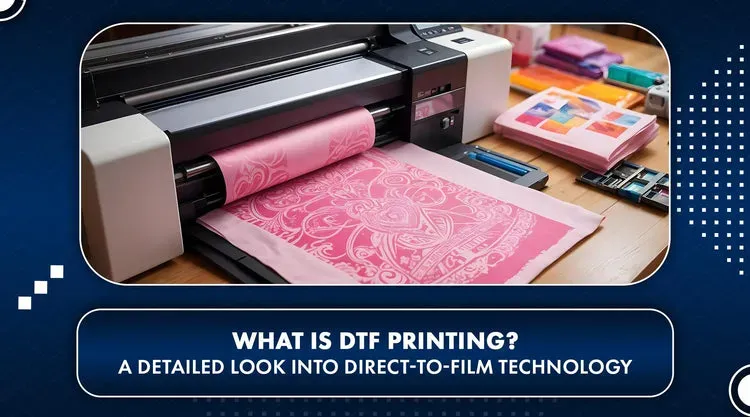
Direct-to-Film technology is at the forefront of modern textile decoration, offering innovative solutions for both professionals and hobbyists. As a revolutionary printing process, DTF printing allows for stunningly vibrant designs to be applied directly onto various fabrics, reshaping the landscape of garment production. This method not only enhances the visual appeal of finished products but also serves as a sustainable printing alternative that significantly reduces waste compared to traditional techniques. With advanced DTF printer features, such as those found in Epson printers, this approach provides exceptional quality and efficiency, making it a preferred choice in the fashion industry. With the growing demand for eco-friendly practices, Direct-to-Film technology stands out as a crucial development in promoting sustainable printing methods.
Direct-to-Film technology, often referred to simply as DTF printing, has emerged as a game-changing method in the world of textile printing. This technique, characterized by its ability to produce high-quality, colorful prints directly onto a specialized film, is gaining traction among artists and manufacturers alike. By streamlining the fabric decoration process, this innovative printing style not only caters to custom designs but also aligns with the industry’s push towards more sustainable practices. The recent advancements in DTF printers, particularly those featuring cutting-edge technology from renowned brands like Epson, highlight the effectiveness of this method in creating durable and eye-catching textiles. As the market evolves, alternative textile printing solutions like DTF are reshaping how we approach design and production in a responsible and efficient manner.
Exploring the Mechanism of DTF Printing
Direct-to-Film (DTF) printing operates on a simplistic yet effective mechanism that sets it apart from traditional printing methods. The process begins with the creation of a design, which is printed onto a special transfer film using high-quality inks. When compared to methods like screen printing, which often require extensive setup and a rigid color palette, DTF allows for intricate designs featuring gradients and vivid color combinations, thus enriching textile decoration. This versatility is pivotal, enabling users to produce high-definition prints on various fabric types, from cotton to polyesters.
Once the design is printed onto the film, the DTF process involves a transfer phase where the film is placed onto the fabric, followed by the application of heat and pressure. This crucial step ensures that the ink adheres perfectly, resulting in stunning, durable prints that can withstand washing and wear. The distinctive mechanism of DTF, utilizing specialized inks and heat transfer techniques, exemplifies how modern technology can enhance printing capabilities, catering to both large-scale production and small-scale customized prints.
Advantages of DTF Technology Over Traditional Methods
One of the key advantages of DTF technology is its excellent print quality. Unlike traditional printing methods, DTF allows for a wide range of colors and intricate details without compromising vibrancy. The technology utilizes water-based inks that not only deliver magnificent results on various fabrics but also support sustainable printing methods by minimizing harmful chemical usage. This high-quality output makes DTF the preferred choice for both garment decorators and brands aiming to create eye-catching fashion statements.
Moreover, the eco-conscious approach inherent in DTF printing addresses consumer demand for sustainable practices in the textile industry. By significantly reducing fabric waste and using less water compared to traditional techniques, DTF not only maintains high standards of print precision but also aligns itself with global sustainability goals. This combination of quality and environmental responsibility helps brands stand out in an increasingly competitive market focused on ethical production.
The Role of Epson Printers in DTF Technology
Epson has become a pivotal player in the Direct-to-Film (DTF) technology landscape, leading the charge with its innovative printer models designed specifically for this method. The Epson SureColor G6070, for instance, showcases advanced features that enhance efficiency while delivering high-quality prints on various substrates. With capabilities that accommodate both short runs and larger batches, Epson printers offer flexibility that is essential for meeting diverse business needs in the textile decoration field.
Additionally, the ergonomic design of Epson printers simplifies the printing process, making it user-friendly for both professionals and hobbyists. This accessibility empowers a wider audience to leverage DTF technology, fostering growth in custom apparel markets. As Epson continues to refine its printer offerings, it solidifies its position as a key contributor to the evolution of sustainable printing methods and the advancement of DTF technology.
DTF Printer Features and Capabilities
Modern DTF printers are equipped with a range of features that elevate the printing experience. High-resolution capabilities ensure that the finest details in designs are replicated accurately, making it perfect for intricate graphics and logos. Additionally, features such as automatic ink maintenance and user-friendly interfaces streamline operations, allowing for a seamless workflow in busy printing environments. These enhancements not only improve production times but also reduce operational costs, making DTF a more viable option for businesses of all sizes.
Moreover, the flexibility of DTF printers such as the LOKLiK iPrinter allows users to experiment with various substrates, including hard-to-print textiles. This capability opens new doors for creative expression and innovation in textile decoration, appealing to a diverse range of customers from small businesses to large corporations. The cutting-edge features of DTF printers contribute significantly to their growing popularity, driving an increase in demand across various sectors of the textile industry.
Sustainable Practices in DTF Printing
Sustainability is a critical aspect of DTF printing that sets it apart from conventional printing methods. The DTF process significantly minimizes waste generated during production because it utilizes a transfer film that can be reused and reduces the need for excessive inventory of inks and fabrics. This reduction in waste addresses a crucial concern in the fashion industry, where environmental impacts are under increased scrutiny by consumers and regulatory bodies alike.
Furthermore, DTF printing is characterized by its efficient use of resources, particularly water and energy. As consumers increasingly prioritize eco-friendly products, adopting sustainable practices in DTF printing not only satisfies this demand but also helps brands build a positive reputation. By integrating sustainable printing methods into their operations, companies can contribute to a cleaner environment while also positioning themselves advantageously in a competitive market focused on ethical sourcing.
Future Trends in DTF Technology
Looking ahead, the future of Direct-to-Film (DTF) technology appears promising, with several trends poised to reshape the industry. One notable trend is the ongoing improvement of ink formulations that enhance durability and expand the range of fabric compatibility. As manufacturers invest in research and development, consumers can expect new ink solutions that provide even more vibrant colors and long-lasting prints. These advancements will further solidify DTF as a competitive printing method in textile decoration.
In addition, the rise of digital printing in custom apparel is expected to push the boundaries of DTF technology, encouraging customization and on-demand production models. This shift towards personalization aligns with evolving consumer preferences for unique and bespoke items. As new DTF printer models are introduced, featuring enhanced capabilities and efficiency, the technology will likely continue to gain traction, encouraging widespread adoption and innovation across the textile industry.
Frequently Asked Questions
What is Direct-to-Film (DTF) technology and how does it work?
Direct-to-Film (DTF) technology is a modern printing method where designs are printed onto a special film and then transferred onto fabric using heat and pressure. This process allows for vibrant colors and intricate details, making it suitable for various fabric types in textile decoration.
What are the environmental benefits of using DTF printing compared to traditional methods?
DTF printing is considered one of the more sustainable printing methods as it significantly reduces waste and utilizes less water than traditional screen printing. This eco-friendly approach aligns with the growing demand for sustainable practices in the textile industry.
Which types of fabrics can be used with DTF technology?
DTF technology is versatile and can be applied on numerous fabric types, including cotton, polyester, and blended textiles. This adaptability makes DTF printing a go-to choice for professionals in the textile decoration and garment printing sectors.
What are the standout features of modern DTF printers like Epson printers?
Modern DTF printers, such as Epson SureColor G6070, offer high efficiency, improved color vibrancy, and user-friendly interfaces. These features enhance their functionality, making them accessible for both professional and DIY users in textile printing.
How does DTF technology impact the efficiency of textile printing?
DTF technology streamlines the production process, offering quicker turnaround times and lower costs than traditional printing methods. This efficiency makes it an attractive option for businesses looking to meet fast-paced market demands.
Why is DTF printing becoming popular among DIY enthusiasts and small businesses?
The accessibility of DTF technology, exemplified by products like the LOKLiK iPrinter, allows DIY enthusiasts and small businesses to create high-quality textile designs without significant upfront investment. This democratization of printing technology is driving its popularity.
| Aspect | Details |
|---|---|
| Definition | Direct-to-Film (DTF) technology is a method in textile printing that transfers designs from a film directly to fabric using heat. |
| Advantages | 1. Vibrant and detailed prints with high color vibrancy. 2. Eco-friendly approach with reduced waste and water usage. 3. Efficiency with faster production and cost-effectiveness. 4. Versatile applications for various fabric types. 5. User-friendly technology designed for accessibility. |
| Recent Developments | 1. Sustainable focus with waste reduction in apparel production. 2. New products like the Epson SureColor G6070 enhancing efficiency. 3. Increased accessibility with printers like the LOKLiK iPrinter for DIY users. |
Summary
Direct-to-Film technology is revolutionizing the textile printing industry by providing a modern, eco-friendly solution for vibrant and detailed designs. This innovative method has gained traction in recent years due to its sustainable practices, including reduced waste and lower water usage compared to traditional screen printing. As businesses and consumers alike increasingly prioritize eco-conscious methods, DTF technology is making fabric decoration accessible to a wider audience, enabling both professionals and hobbyists to create stunning prints across various materials. With ongoing advancements and a growing focus on sustainability, DTF is on its way to reshaping the future of textile production.