
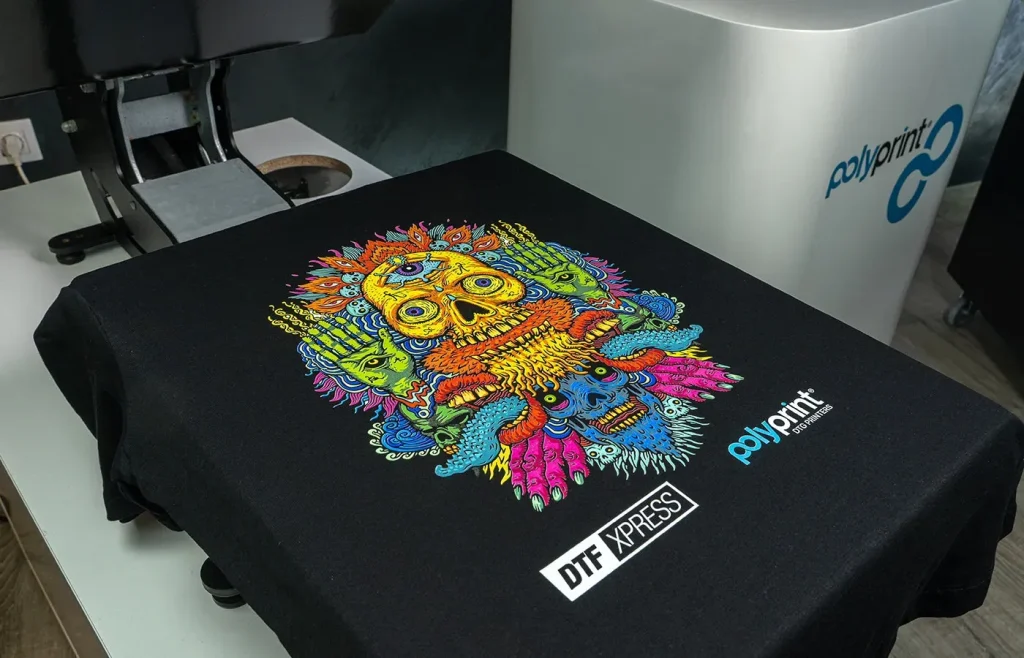
DTF printing, or Direct-to-Film printing, marks a revolutionary advancement in printing technology, particularly in the apparel production sector. This innovative method allows for the direct application of vibrant and high-quality designs onto transfer films, which are then easily applied to various fabrics. As traditional printing methods face scrutiny for their environmental impact, DTF offers a sustainable printing solution that minimizes waste while maximizing design possibilities. In an era where consumers seek both quality and eco-friendliness, DTF printing stands out by providing high durability and detailed images that rival established techniques. This transformative approach is not just a trend; it’s reshaping how we think about modern printing in fashion and beyond.
Also known as Direct-to-Film transfer printing, DTF technology is changing the landscape of custom apparel manufacturing. This modern approach enables users to produce striking graphics on transfer mediums that can be applied to an array of fabric materials. Unlike traditional processes that may involve laborious steps and substantial waste, the direct application of designs through DTF facilitates faster production while adhering to sustainable practices. As the industry adapts to new demands for quality and eco-conscious methods, DTF emerges as a cutting-edge solution that aligns with contemporary printing needs. Understanding this methodology not only enhances production efficiency but also supports brands aiming to reduce their environmental footprint.
Understanding the Basics of DTF Printing
Direct-to-Film (DTF) printing is an innovative technology that simplifies the printing process while enhancing image quality. Unlike traditional printing methods that require extensive preparation and separate screens for each color, DTF allows for direct printing on transfer films. These films serve as a medium that can be applied to various textiles, giving designers the opportunity to create vibrant, intricate graphics with ease. This method not only reduces the time and materials needed for printing but also opens up a world of possibilities for creative expression in apparel production.
Moreover, DTF printing is gaining traction not just for its user-friendliness but also for its ability to deliver stunning results on a range of fabrics, including cotton, polyester, and blends. Unlike traditional techniques like screen printing that rely on specific fabric types, DTF adapts seamlessly, ensuring that the quality remains high across diverse materials. This adaptability makes DTF a crucial technology for brands looking to diversify their offerings or experiment with unique textiles.
Frequently Asked Questions
What advantages does DTF printing offer compared to traditional printing methods for apparel production?
DTF printing boasts several advantages over traditional printing methods, such as screen printing. It provides vibrant colors, high durability, and allows for intricate designs on various fabrics without the need for multiple screens. This not only reduces production time but also minimizes waste, aligning with sustainable printing practices.
How does DTF printing contribute to sustainability in the printing technology landscape?
DTF printing enhances sustainability by using fewer resources and producing less waste compared to traditional printing techniques. This eco-friendly approach resonates with consumers who prioritize environmentally responsible products, making DTF a leading choice in sustainable printing methods.
Can DTF printing be used on dark fabrics without additional treatments, unlike traditional printing techniques?
Yes, one of the key benefits of DTF printing is its ability to print on dark garments without requiring pre-treatment. This feature allows for greater creative freedom compared to traditional printing methods, enabling designers to produce high-quality prints on a wider range of fabric colors.
What technological advancements are shaping the future of DTF printing in the apparel industry?
Recent technological advancements in DTF printing, such as the introduction of the LOKLiK iPrinter, are transforming production capabilities. These innovations allow for continuous printing on transfer films, increasing efficiency and quality in the apparel production process while reducing costs typically associated with traditional methods.
How does the production process of DTF printing differ from that of traditional printing methods?
The production process of DTF printing is more streamlined than traditional methods. While traditional screen printing requires multiple screens for different colors, DTF allows for designs to be printed directly onto transfer films, significantly speeding up the process and making it ideal for custom, on-demand printing.
What creative opportunities does DTF printing provide for designers compared to traditional printing methods?
DTF printing opens up a wealth of creative opportunities for designers, allowing them to experiment with complex designs and vibrant colors without compromising quality. Unlike traditional printing techniques, DTF enables printing on various fabric types and colors, expanding the potential for unique and personalized apparel.
| Key Aspect | DTF Printing | Traditional Printing |
|---|---|---|
| Definition | Direct-to-Film printing allows for the transfer of high-quality designs onto fabrics through transfer films. | Includes methods like screen printing and direct-to-garment printing. |
| Sustainability | Minimizes waste and uses fewer resources, supporting eco-friendly practices. | Often generates significant waste and requires more materials during production. |
| Technology | Innovation such as the LOKLiK iPrinter enhances production efficiency and quality. | Relies on multiple screens, making it time-consuming with higher overhead costs. |
| Customization | Allows for complex designs and printing on various fabrics without pre-treatment. | Less flexibility in design options and requires pre-treatment for dark fabrics. |
| Speed | Offers quick turnaround for orders, ideal for on-demand printing. | Longer turnaround times due to the complexity of traditional methods. |
Summary
DTF printing is a revolutionary method in the custom apparel industry that combines high-quality output with sustainability. This innovative printing technology has emerged as a game-changer, providing businesses with the capability to deliver vibrant designs efficiently and responsibly. Unlike traditional printing methods that often contribute to significant waste, DTF printing operates on a more sustainable model, utilizing fewer resources while maintaining exceptional print quality. As businesses face the pressures of eco-conscious consumerism, adopting DTF printing not only enhances operational capabilities but also reinforces a commitment to sustainability. Furthermore, advancements in technology continue to elevate DTF printing, making it an attractive option for both small brands and larger manufacturers. By embracing this method, companies can unlock creative possibilities and meet the demands of today’s dynamic market.