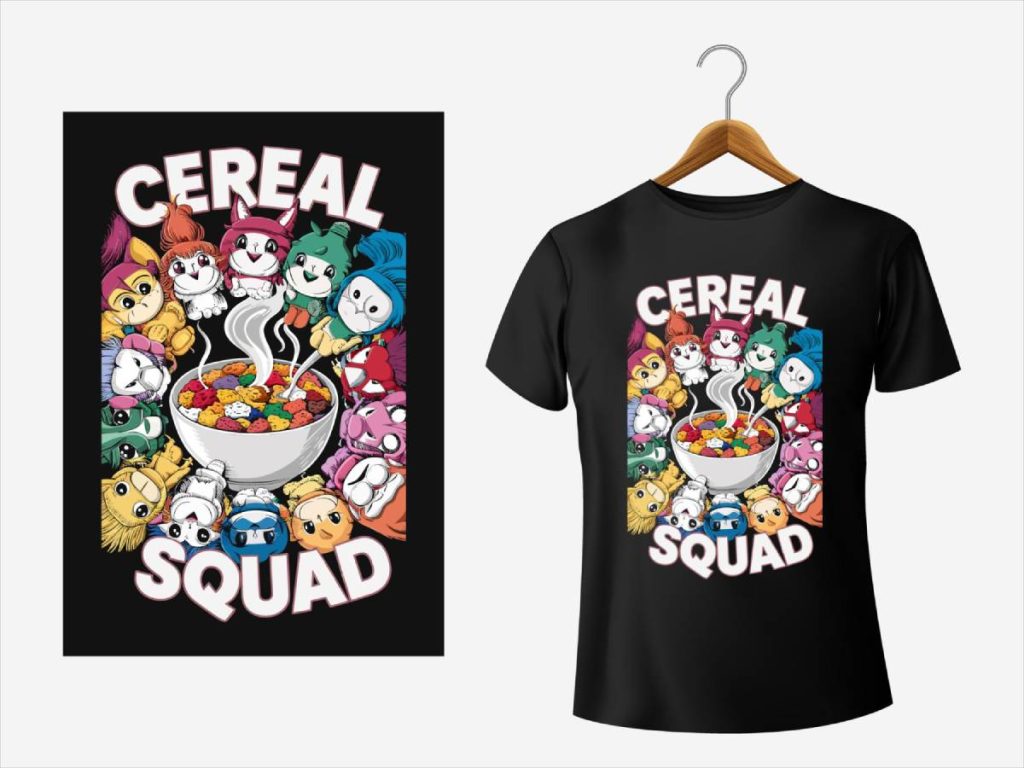

If you’ve recently discovered DTF printing, you are stepping into a realm of creativity and innovation that is transforming the custom apparel market. **DTF printing**, which stands for Direct to Film printing, is a cutting-edge technique that allows you to print vibrant designs on a special film, which are then transferred onto various fabrics with ease. This method is particularly appealing for beginners, as it combines simplicity with high-quality results, making it ideal for custom apparel printing. From intricate graphics to bold colors, the versatility of DTF printing techniques caters to both hobbyists and aspiring entrepreneurs alike. In this guide, we’ll unravel the DTF transfer process, explore the best DTF printers available, and give you all the tools you need to kickstart your creative journey.
Direct to Film printing is rapidly becoming a favorite among those in the custom printing industry. Also known as DTF, this method harnesses a unique combination of film and heat transfer technology to produce stunning graphics on a variety of garments. With its ease of use and accessibility, especially for beginners, direct to film techniques allow enthusiasts to engage in creative projects from t-shirts to unique fabric items. The DTF transfer process stands out for its ability to deliver vibrant, durable prints that can withstand washing and wearing, making it a reliable choice for custom apparel printing. Uncover the exciting possibilities of DTF, whether you are a seasoned designer or just starting out, and watch your ideas come to life.
Understanding the DTF Printing Process
DTF printing, or Direct to Film printing, has revolutionized the way designs are transferred onto fabric. The overall process involves several key steps that begin with printing an image onto a special film using specialized inks. Once the image is printed, an adhesive powder is applied while the ink is still wet, which is later cured using a heat source. This meticulous method ensures that the design is vibrant and holds up against extended wear and washing. The final step of transferring the design onto the desired fabric is achieved with a heat press, making DTF printing a highly efficient approach for any custom apparel project.
This technique’s appeal lies in its versatility, supporting a wide range of fabrics such as cotton, polyester, and even blends. Unlike traditional methods like screen printing, DTF allows creators to produce detailed images with rich colors, making it a favorite among both hobbyists and entrepreneurs. Additionally, the DTF transfer process has enabled creators to engage in projects that were once complicated or unattainable, opening doors for personalized items that resonate with consumers.
The Advantages of DTF Printing for Custom Apparel
One of the biggest advantages of DTF printing is its accessibility and ease of use, particularly for beginners in the custom printing arena. With user-friendly platforms available like DTFPrinter, even those with limited technical skills can explore their creativity by creating vivid designs effortlessly. This has not only democratized access to high-quality printing processes but also inspired individuals to delve into the entrepreneurial opportunities that custom apparel printing can offer.
Furthermore, DTF printing yields high-quality results that often exceed those from traditional techniques. The colors produced are strikingly vibrant, and the prints are durable, ensuring that designs retain their integrity over time. This feature is crucial for those looking to produce merchandise that stands out while maintaining a professional quality that viewers will appreciate.
Choosing the Best DTF Printers
Selecting the best DTF printer is vital for achieving outstanding results. Brands specialized in DTF technology often provide printers equipped with features that enhance print quality and efficiency. Factors to consider when looking for a DTF printer include print resolution, speed, and the type of inks used. Models that support high-resolution outputs can greatly impact the detail and vibrancy of your prints, making an informed choice essential for your custom apparel business.
Additionally, finding a printer compatible with a wide range of transfer films can expand your printing capabilities. This flexibility enables you to experiment with different materials, catering to varied customer preferences. Investing in a reliable DTF printer equips you with the tools needed to produce high-quality custom designs that can effectively compete in the growing market of custom apparel.
Essential Equipment for DTF Printing Success
To get started with DTF printing, it’s crucial to understand the core equipment you’ll need. At the heart of this process is a specialized DTF printer that can handle specific inks designed for this method. Most printers required for DTF are different from standard inkjet printers, as they accommodate the unique demands of the process, including transfer films and adhesive applications. Alongside the printer, a heat press is necessary for effectively transferring your designs onto fabric, ensuring they maintain durability over time.
In addition to the printer and heat press, you’ll also need quality transfer films and adhesives designed specifically for DTF printing. Choosing the right materials can significantly impact the final results of your projects. Therefore, researching suppliers that offer high-quality products will help maintain professional standards and improve the overall success rates of your prints.
Design Techniques for DTF Printing
Mastering design techniques is critical when getting into DTF printing. Familiarizing yourself with graphic design software like Adobe Illustrator or CorelDRAW can greatly improve your skill set. These platforms allow you to create intricate designs that take full advantage of the DTF printing capabilities. The right design can significantly affect how the final print appears on fabric, making this foundational step essential in the overall process.
Additionally, understanding color theory and design composition can enhance the impact of your custom apparel. Online resources and tutorials focused on DTF-specific design techniques can aid beginners in refining their graphics, ensuring they not only stand out but also meet practical needs, such as adaptability to different fabric types.
Common Mistakes in DTF Printing and How to Avoid Them
Entering the world of DTF printing can be daunting, and there are common mistakes that beginners might make that could hinder their success. One major pitfall is neglecting to test materials before committing to larger projects. Testing prints on various fabrics allows you to see how the transfer reacts to different surfaces, ultimately optimizing the final result. Skipping this step may lead to disappointing outcomes, causing frustration.
Another common error is not paying attention to the temperature and pressure settings on your heat press. Each fabric type requires specific settings to ensure that the design adheres correctly without damaging the material. Following manufacturer guidelines and practicing with different fabrics can help mitigate these issues, resulting in a smoother, more successful DTF printing experience.
Frequently Asked Questions
What are the best DTF printers available for beginners?
For beginners in DTF printing, it’s essential to choose printers that are user-friendly and reliable. Some of the best DTF printers include the Epson P600, which offers vibrant colors and excellent detail, and the Epson L1800, known for its affordability and efficiency in custom apparel printing. Both options provide high-quality results and are compatible with various DTF printing techniques.
How does the DTF transfer process work?
The DTF transfer process begins with printing a design onto a special DTF film using specific inks. After printing, a hot-melt adhesive powder is applied to the wet ink. This mixture is then cured with heat, solidifying the adhesive. Finally, the coated film is placed on the fabric and transferred using a heat press, allowing the design to adhere firmly to the material.
What materials can I print on with DTF printing?
DTF printing is incredibly versatile, capable of printing on various fabric types. You can use it on cotton, polyester, and blends, making it suitable for custom apparel printing like t-shirts, hoodies, and even accessories like tote bags and hats. This versatility opens up plenty of creative possibilities for your projects.
What are some common DTF printing techniques for beginners?
Beginners can start with several key DTF printing techniques, such as using a basic Epson printer for printing designs on DTF film, correctly applying the adhesive powder, and mastering the heat press settings for optimal transfers. Practicing these foundational techniques will help ensure high-quality results in your custom apparel printing.
What are the advantages of using DTF printing for custom apparel?
DTF printing offers numerous advantages for custom apparel, including vibrant colors and detailed images that stand out. It is also cost-effective, as it requires less setup than traditional methods. The process is fast, allowing for quick turnaround times, making it perfect for small businesses and creative projects that need timely results.
How can I avoid common mistakes in DTF printing?
To avoid common mistakes in DTF printing, always test your prints on various materials before finalizing designs, ensure you are using quality inks and films, and check the temperature and pressure settings of your heat press. Additionally, practice with inexpensive fabric to refine your technique before moving on to larger projects.
| Key Point | Description |
|---|---|
| What is DTF Printing? | DTF printing, or Direct to Film printing, is a technique that uses a special film to print designs that can then be transferred onto various fabrics, allowing for high-quality images on different materials. |
| Benefits of DTF Printing | 1. Accessibility and Ease of Use: User-friendly platforms simplify the DTF printing process for beginners. 2. Versatility in Applications: Can be used on multiple fabric types for various products. 3. High-Quality Prints: Produces more vibrant and durable designs than traditional methods. 4. Quick Turnaround: Many services offer same-day printing and shipping. |
| Getting Started with DTF Printing | 1. Determine Equipment Needs: Get a specialized printer, heat press, and quality transfer film. 2. Learn Design: Use software like Adobe Illustrator for creating designs. 3. Utilize Online Platforms: Engage with services and communities for support. 4. Practice Testing: Conduct test prints to refine skills before larger projects. |
| Common Mistakes to Avoid | Ensure to test materials, check temperature settings for heat pressing, and use quality inks and films to avoid poor print results. |
Summary
DTF printing is transforming the custom printing landscape, allowing creators to produce vivid and durable designs with ease. This innovative method empowers both hobbyists and small business owners to bring their ideas to life on a variety of fabrics. By utilizing user-friendly platforms and investing in quality equipment, anyone can dive into the exciting world of DTF printing. It’s important to embrace a learning mindset, practice regularly, and connect with others in the DTF community to enhance your skills. Whether for personal use or business ventures, DTF printing opens up incredible opportunities to explore creativity and craftsmanship.