
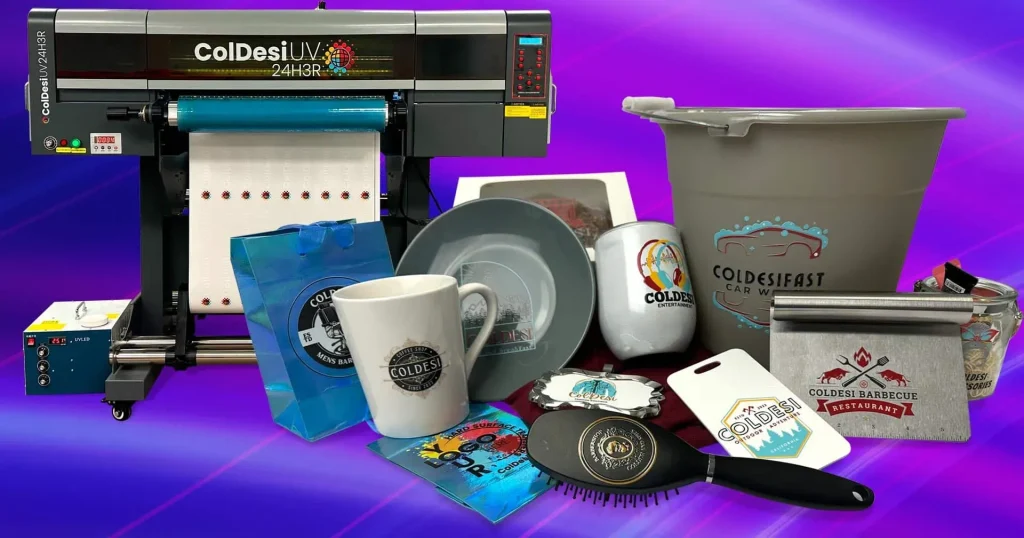
UV DTF printing, or Ultraviolet Direct to Film printing, has emerged as a groundbreaking solution in the realm of eco-friendly printing, revolutionizing how textiles are produced. This innovative technology leverages the power of UV curing to create vibrant, high-quality prints on various materials, offering notable benefits over traditional vinyl printing technology. As the industry shifts towards sustainable textile production, UV DTF printing stands out for its reduced waste and use of non-toxic inks, aligning with the growing consumer demand for environmentally-conscious practices. In this exploration, we’ll uncover the myriad advantages of UV printing, including its versatility in custom fabric printing. Join us as we discuss how UV DTF is reshaping the future of textiles with a focus on sustainability and efficiency.
Ultraviolet Direct to Film (UV DTF) printing represents a transformative advancement in the textile manufacturing landscape, distinguishing itself as a leading method for sustainable output. This approach, often referred to as eco-friendly inkjet printing, not only caters to modern consumers’ preferences for unique, customized fabric designs but also emphasizes responsible environmental practices. By harnessing the benefits of UV light to cure inks directly onto ready-to-use films, the industry is witnessing a shift towards more sustainable methods that effectively minimize waste and pollution. As markets demand greener alternatives, the adoption of UV printing technology is becoming increasingly relevant, enhancing productivity without compromising on quality. Uncovering the full potential of UV DTF printing reveals a bright future for both textile producers and environmentally-conscious consumers alike.
The Eco-Friendly Impact of UV DTF Printing
UV DTF printing is at the forefront of eco-friendly innovations within the textile industry, drastically transforming traditional printing methods. One of the most significant benefits associated with this technology is its ability to reduce waste during the printing process. Unlike conventional methods that often rely on multiple screens and inks, UV DTF enables direct printing onto specially coated films, which can then be transferred directly onto various materials. This results in less excess material being used and a minimized environmental footprint, making it a preferable option for companies aiming to embrace sustainable textile production.
Moreover, the transition to UV DTF printing aligns perfectly with the rising consumer demand for environmentally responsible and ethical products. As awareness of environmental issues continues to grow, businesses are increasingly evaluated based on their eco-friendly practices. By utilizing UV DTF printing, companies are not only reducing material waste but also enhancing their brand image as responsible manufacturers, further strengthening their market position amid competitors who have yet to adopt sustainable technologies.
Advantages of UV DTF Printing Over Traditional Methods
When comparing UV DTF printing with traditional vinyl printing technology, the advantages become quickly apparent. For instance, UV DTF printing employs water-based, non-toxic inks that contain no volatile organic compounds (VOCs), contrasting sharply with many legacy techniques that utilize harsh chemicals. This shift not only ensures the safety of workers within the printing environment but also alleviates the pollution associated with synthetic inks. As a result, UV DTF printing not only provides high-quality fabric prints but also promotes a healthier planet.
Additionally, the efficiency of the UV DTF printing process cannot be overstated. With traditional printing methods often requiring lengthy drying times and complex setups, UV DTF drastically cuts down on production times. This rapid turnaround is particularly beneficial for small-sized businesses that thrive on quick responsiveness to market trends. The quick production capabilities paired with vibrant and high-resolution results empower businesses to meet modern demands while adhering to sustainable practices.
Versatility and Application of UV DTF Printing
The versatility of UV DTF printing extends beyond just textile applications; it has the potential to revolutionize various sectors. From leather goods to synthetic substrates, and even rigid surfaces, this innovative method offers a broad scope for designers and manufacturers. This adaptability reflects the changing landscape of consumer preferences where unique and customized designs are highly sought after. With UV DTF printing, businesses can explore new frontiers, incorporating intricate and bespoke prints across a wider range of products.
Moreover, the ability to seamlessly transfer designs onto diverse materials makes UV DTF printing a game-changer in customization. As trends lean towards personalized branding and products, businesses equipped with this technology can cater to individual tastes, enhancing customer satisfaction and loyalty. This adaptation not only meets growing consumer demands for uniqueness but also supports sustainable production, combining innovation with creativity.
Market Trends Driving UV DTF Printing Adoption
The market landscape is rapidly evolving, particularly in response to the growing trend towards sustainable printing solutions. A significant driver for the adoption of UV DTF printing within the textile industry is the increasing consumer preference for eco-friendly products. Companies that have embraced this innovative technology have been able to curtail their environmental impact while also enhancing the quality of their products. This market shift indicates a broader commitment within the industry to align production methods with consumer values centered on sustainability.
Businesses investing in UV DTF printing report not only a rise in production efficiency but also improved customer satisfaction. The unique and vibrant designs facilitated by UV DTF technology allow brands to stand out in a competitive market. As the textile industry continues to evolve towards eco-friendly practices, those integrating UV DTF printing are placed at the forefront of this transformative wave, ensuring their operations are both effective and responsible.
The Future of Custom Fabric Printing with UV DTF
Looking ahead, the future of custom fabric printing appears bright with the ongoing advancements in UV DTF technology. As an eco-friendly printing method, UV DTF stands out for its capability to produce intricate designs and vibrant colors, catering to a marketplace hungry for personalization and distinctiveness. This capacity for customization is expected to fuel demand, allowing businesses to offer a variety of options that align with individual consumer tastes.
Furthermore, as sustainable practices take center stage in the textile industry, UV DTF printing positions itself as a leading choice for manufacturers pursuing eco-conscious production methods. The market is likely to see an increase in innovations and enhancements related to UV DTF technology, enabling even more customization options and efficiencies. Such developments will not only create new opportunities for brands but also reinforce the industry’s commitment to reducing environmental impact.
Embracing UV DTF Printing for a Sustainable Future
In conclusion, embracing UV DTF printing signifies a strong commitment to sustainability within the textile industry. As companies increasingly recognize the benefits of eco-friendly printing methodologies, UV DTF emerges as a pivotal solution that aligns both quality and environmental goals. The integration of sustainable practices is not just a trend but a necessary evolution for the industry, addressing consumer demands for responsible production.
Moreover, the versatility and efficiency of UV DTF printing facilitate not only creative expression but also the potential for expansive growth within the market. With ongoing advancements and a commitment to eco-friendly solutions, businesses that adopt UV DTF technology will be well-positioned for success in defining a greener future, ensuring a thriving textile industry that resonates with the values of today’s consumers.
Frequently Asked Questions
What are the key benefits of UV DTF printing for eco-friendly printing?
UV DTF printing is a groundbreaking approach to eco-friendly printing, significantly reducing waste by using direct-to-film technology that minimizes excess materials. This method employs non-toxic, water-based inks free of volatile organic compounds (VOCs), making it a safer alternative for both workers and the environment.
How does UV DTF printing compare to traditional vinyl printing technology in terms of sustainability?
When comparing UV DTF printing to traditional vinyl printing technology, UV DTF stands out due to its eco-friendly practices. It reduces material waste and utilizes non-toxic inks, while traditional methods often rely on harmful chemicals and generate more waste during the printing process.
What role does UV printing benefit in promoting sustainable textile production?
UV printing benefits play a crucial role in sustainable textile production by ensuring high-quality prints with reduced environmental impact. The technology allows for efficient production with lower waste, aligning with the industry’s shift towards eco-friendly practices.
Can UV DTF printing be used for custom fabric printing effectively?
Yes, UV DTF printing is highly effective for custom fabric printing. It supports intricate designs and vibrant colors, enabling businesses to create unique, personalized textile products that cater to consumer demands for individuality and style.
How does UV DTF printing contribute to efficient production processes in the textile industry?
UV DTF printing enhances efficiency in production processes by significantly reducing setup and drying times compared to traditional methods. This allows manufacturers to meet the fast-paced market demands while maintaining high-quality standards in their textile outputs.
Why is UV DTF printing gaining popularity among textile manufacturers focused on eco-friendly practices?
UV DTF printing is gaining popularity among textile manufacturers due to its eco-friendly features, such as minimizing waste and using non-toxic inks. As consumers increasingly prefer sustainable products, manufacturers adopting this technology can meet consumer expectations while enhancing their market competitiveness.
| Key Point | Description |
|---|---|
| UV DTF Printing | An innovative eco-friendly printing technology using UV light to cure inks on films, which are then transferred to various materials. |
| Eco-Friendly Aspects | Reduction in waste through less material usage and the use of non-toxic water-based inks. |
| Efficiency | Fast production times compared to traditional methods, enabling quicker response to market demands. |
| Versatility | Applicable to a wide range of materials including textiles, leather, and hard surfaces. |
| Market Trends | Growing adoption among manufacturers seeking sustainable practices and higher customer satisfaction. |
| Future Outlook | Predicted growth in the market with increased customization options and focus on sustainability. |
Summary
UV DTF printing represents a significant advancement in the textile industry, combining sustainability with high-quality production techniques. This innovative printing method not only reduces waste and utilizes non-toxic materials but also enhances production efficiencies, making it a preferred choice for manufacturers today. As consumers increasingly demand personalized and eco-friendly products, UV DTF printing stands out by offering a versatile approach applicable to various materials, from fabrics to hard surfaces. As the textile industry evolves towards sustainability, embracing UV DTF technology will be essential for aligning production practices with contemporary consumer expectations and environmental goals.