
DTF supplies are transforming the way we approach custom apparel printing, making Direct-to-Film (DTF) printing an ideal choice for beginners and experienced creators alike. This innovative technique allows for the transfer of intricate designs onto a variety of fabrics with remarkable ease and vibrant color accuracy. Whether you’re diving into the world of heat press techniques or exploring the fundamentals of DTF printing, the right supplies are essential for producing stunning results. In this guide, we will equip you with the knowledge of essential DTF materials and strategies needed to elevate your printing game. By mastering DTF, you can unlock limitless possibilities in custom apparel creation, appealing to a broad audience and fulfilling diverse printing needs.
Direct-to-Film supplies are pivotal in the burgeoning field of textile printing, presenting a revolutionary medium for applying designs to fabrics. Known for its efficient transfer process, this printing style bridges the gap between traditional heat transfer methods and modern print techniques, perfect for both novices and seasoned printers. With the right equipment—such as specialized printers, transfer films, and adhesive powders—artists can achieve intricate and personalized artwork on any garment. This comprehensive exploration of DTF technology will detail everything you need to know about starting your journey in this versatile printing landscape. From understanding the essentials to mastering various techniques, embracing these supplies can significantly enhance your capabilities in custom fabric design.
Essential DTF Supplies for Quality Printing
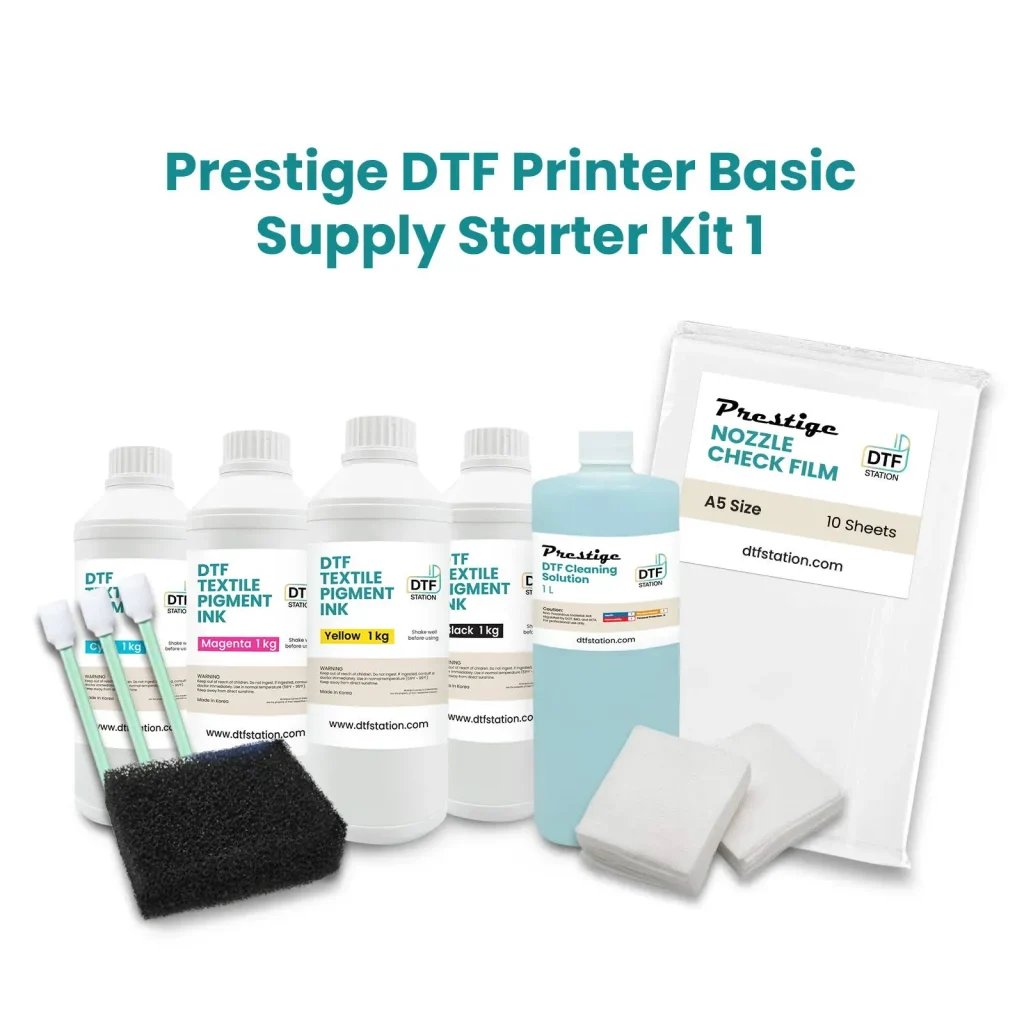
When embarking on your journey into DTF printing, understanding the essential supplies required is crucial for achieving high-quality results. The fundamental components include a specialized DTF printer that utilizes water-based inks, offering vibrant color output while also being environmentally friendly. Additionally, the transfer films are a vital part of this printing process; they come in various finishes, such as glossy and matte, and choosing the right one can substantially impact the final product’s texture and visual appeal.
Beyond printers and films, adhesive powder serves a critical function in the DTF printing process. It bonds the printed designs to the fabric, ensuring durability during washing and regular wear. Coupled with a reliable heat press, which is necessary for transferring designs effectively, these supplies create a synergy that enhances the overall quality of your prints. By investing in the right DTF supplies, you set a solid foundation for both beginners and professionals aiming for consistent and impressive results.
Mastering Heat Press Techniques in DTF Printing
Heat press techniques are essential for successfully implementing DTF printing. Proper temperature and pressure settings can make or break the quality of your print. It is recommended to maintain a consistent heat of around 320°F for 15-20 seconds for effective bonding between the adhesive and the fabric. Experimentation can determine the best combination of heat and pressure, enhancing the durability and vibrancy of the prints. Understanding these variables not only ensures a professional finish but also prolongs the lifespan of the designs.
In addition to setup, post-transfer care is a crucial aspect of the heat press process. Allowing prints to cure for a full 24 hours is critical before washing or applying additional layers to ensure the longevity of the design. Incorporating these heat press techniques into your workflow will elevate your DTF printing results, giving you an edge whether you’re creating custom apparel or working on larger production orders.
Tips for DTF Printing for Beginners
For those new to the world of DTF printing, starting your journey can be overwhelming. It is essential to begin with a strong understanding of DTF technology, especially focusing on printer setup. A good starting point involves adjusting your printer’s settings according to the type of fabric and ink being utilized. This foundational knowledge translates into clearer, more vibrant prints, setting a solid trajectory as you advance in your DTF printing skills.
Additionally, familiarize yourself with handling transfer films and adhesive powders, which are instrumental in the DTF process. Each element plays a role in how well your designs translate to fabric. Starting simple—such as experimenting with basic designs—will build your confidence while providing insight into the DTF printing process. With patience and practice, these beginner tips will guide you towards becoming proficient in custom apparel printing.
Staying Updated with DTF Market Trends
The DTF printing industry is rapidly evolving, driven by innovation and a growing demand for custom apparel. Market trends indicate an increase in entrepreneurial ventures focused on unique, personalized products. As more brands enter the arena, it’s important to stay informed about the latest technologies and practices that shape this competitive landscape. Regularly exploring updated techniques and equipment can keep your business relevant and responsive to shifting consumer preferences.
Furthermore, identifying emerging trends, such as eco-friendly materials and digital enhancements in design, can provide a competitive edge. By embracing these market developments, DTF print service providers can offer more varied and attractive options to their customers, securing a position as leaders in a continually advancing market.
Cost Efficiency Benefits of DTF Printing
One of the standout advantages of DTF printing is its cost-effectiveness, especially for small to medium-sized print runs. Unlike traditional screen printing, DTF requires less upfront investment and offers flexibility, allowing small business owners and hobbyists to enter the market without excessive financial burden. The reduction in setup costs makes DTF printing an attractive option for those launching custom apparel printing ventures.
Moreover, quicker turnaround times associated with DTF printing further enhance its appeal. By requiring fewer resources and providing high-quality results, businesses can respond to market demands rapidly. This efficiency without sacrificing quality is particularly beneficial as customers increasingly seek fast and personalized services.
Transitioning from Beginner to Pro in DTF Printing
Transitioning from a beginner to a professional in the DTF printing space is an exciting journey packed with learning and skill development. Understanding the core principles of Direct-to-Film technology and mastering essential supplies plays a pivotal role in elevating your craft. As you gain confidence, experimenting with vibrant colors and intricate designs becomes more manageable, helping you to stand out in the competitive world of custom apparel printing.
It’s also valuable to immerse yourself in communities, networks, and online resources dedicated to DTF printing. These platforms provide insights, tips, and trends that can bolster your skills and keep you informed about the latest developments in the industry. By committing to continuous learning and practice, you can successfully navigate the transition from novice to expert, unlocking the full potential of DTF printing in your entrepreneurial endeavors.
Frequently Asked Questions
What are the essential DTF supplies for beginners in DTF printing?
To start with DTF printing, you will need a DTF printer, quality transfer film, adhesive powder, a reliable heat press, and curing tables. These supplies are crucial for creating vibrant and durable designs on various fabrics.
How do I set up my DTF printer for optimal results?
For effective DTF printing, ensure your printer settings are adjusted based on the fabric type and DTF inks used. Proper configuration will enhance the clarity and vibrancy of your printed designs.
What is the recommended heat press technique for DTF printing?
When working with DTF supplies, it’s recommended to heat press your designs at around 320°F for 15-20 seconds. This ensures proper bonding of the ink to the fabric, leading to high-quality results.
Can DTF printing be used on all types of fabric?
Yes, DTF printing is versatile and can be used on a variety of fabrics, including 100% cotton, polyester, and blends. This flexibility makes it an excellent choice for custom apparel printing.
Why should I choose DTF printing over other printing methods for custom apparel?
DTF printing is cost-effective, especially for small batches, and offers quicker turnaround times. It combines the benefits of Direct-to-Garment printing and heat transfer processes, allowing for intricate designs and vibrant colors.
What is the importance of curing in DTF printing?
Curing is vital for ensuring the durability and washability of DTF prints. After pressing, it’s important to let the prints cure for at least 24 hours to achieve maximum longevity.
| Key Point | Description |
|---|---|
| DTF Printing Technology | A revolutionary method for fabric printing that combines elements of DTG and HTV. |
| Essential Supplies | DTF Printer, Transfer Film, Adhesive Powder, Heat Press, and Curing Tables are crucial for effective DTF printing. |
| Techniques for Success | Printer setup, heat press adjustment, and post-transfer care are key to quality outputs. |
| Market Trends | High demand for custom apparel continues to drive innovation and competition in DTF. |
| Cost Efficiency | Lower upfront investments and faster turnaround times make DTF accessible for startups. |
Summary
DTF supplies are essential for anyone looking to dive into the world of textile printing. This innovative technology not only allows for vibrant and detailed designs but also caters to the growing demand for custom apparel. By understanding the critical components and techniques involved in DTF printing, individuals can unlock significant business potential, whether they are beginners seeking a new hobby or aspiring entrepreneurs looking to establish a successful venture. Embracing DTF printing technology not only enhances creative expression but also opens avenues for growth in an ever-expanding market.