
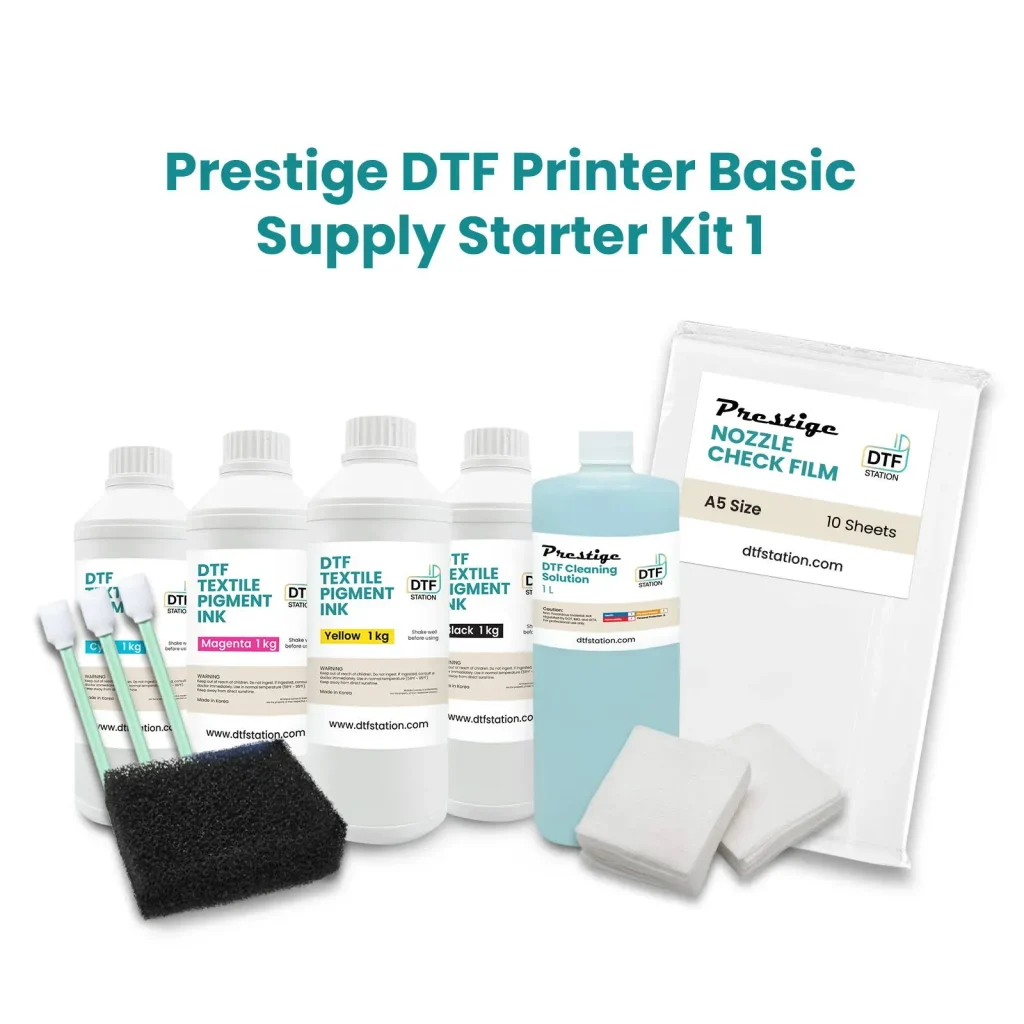
DTF supplies are essential for anyone looking to harness the power of Direct to Film (DTF) printing, a technique that has transformed the landscape of textile customization. This innovative method utilizes high-quality materials such as transfer film, DTF inks, adhesive powder, and advanced heat press methods to deliver stunning and durable prints. By employing these specialized DTF supplies, designers can achieve vivid colors and long-lasting results on a variety of fabrics, making it an attractive option for apparel businesses and hobbyists alike. As the demand for personalized and unique products grows, understanding the role and selection of DTF supplies becomes increasingly critical to staying competitive in the market. This blog post explores the essential components of DTF printing, empowering you with the knowledge to create remarkable designs that stand out.
In the realm of textile printing, Direct to Film supplies represent a crucial element that supports this cutting-edge approach. Often referred to as DTF materials, these components include specially coated transfer films, pigment-rich inks, and unique bonding powders. Each of these items plays a vital role in the overall process, from the initial printing to the final application onto fabrics. Utilizing a heat press allows for the effective transfer of designs, ensuring that prints maintain their quality even after repeated washes. By examining these key materials and processes, you will gain insight into the necessary tools for successful fabric decoration.
Understanding the Importance of Transfer Film in DTF Printing
Transfer film is the cornerstone of the DTF printing process, serving as the medium onto which designs are printed before being transferred to fabric. The quality of the transfer film plays a critical role in determining the vibrancy and adherence of the final product. This film is coated with a special agent that enhances ink absorption, allowing for a sharp and colorful reproduction of the original design. The choice of transfer film can vary significantly – with options available for both high and low-temperature applications – making it essential for printers to select the right film for their specific needs.
Moreover, the transfer film’s composition influences how well it performs during the heat transfer phase. The compatibility of the film with different types of DTF inks also plays a pivotal role, as the right combination can enhance print fidelity and durability. Understanding the various types of transfer films available, such as matte or glossy finishes, can empower businesses to make informed decisions that align with their branding and quality expectations.
Frequently Asked Questions
What are the essential DTF supplies needed for printing?
The essential DTF supplies include DTF transfer film, DTF inks, adhesive powder, and a heat press. Each component plays a crucial role in the DTF printing process, ensuring high-quality, vibrant prints on various fabrics.
How does DTF printing compare to other methods in terms of supplies?
DTF printing uses specific supplies like DTF transfer film and specialized DTF inks, which differ from traditional methods like screen printing or DTG. This ensures better adhesion, vibrant colors, and versatility across a range of materials.
What is the role of DTF inks in the DTF printing process?
DTF inks are water-based pigments specifically formulated for use with DTF transfer films. Their bright colors and eco-friendly composition enhance print quality and durability, making them essential for successful DTF printing.
How do I choose the right adhesive powder for DTF printing?
Choosing the right adhesive powder is crucial for DTF printing. Look for hot-melt adhesive powders that bond effectively with the wet DTF inks and are compatible with the transfer film you’re using, ensuring a long-lasting print.
Can I use a regular heat press for DTF printing?
Yes, you can use a regular heat press for DTF printing, but ensure it allows for precise temperature and pressure control. This is vital for activating the adhesive and ensuring a successful transfer of the DTF prints.
What materials can be printed on using DTF supplies?
DTF supplies can be used to print on a variety of materials, including cotton, polyester, and blends. This versatility makes DTF printing an ideal choice for custom apparel and promotional products.
| Key Point | Description |
|---|---|
| DTF Printing Definition | Direct to Film (DTF) printing is a method of printing that creates high-quality transfers on various fabrics using specialized materials. |
| Key Materials | 1. Transfer Film – a polyethylene film coated for adhesion. 2. DTF Inks – water-based, vibrant pigment inks. 3. Adhesive Powder – hot-melt powder that bonds ink to fabric. 4. Heat Press – device that applies heat and pressure for transfer. |
| Core Processes | 1. Printing onto transfer film. 2. Applying adhesive powder. 3. Heat transferring design to fabric. 4. Cooling and peeling to finalize print. |
| Market Trends | 1. Sustainability – focus on eco-friendly inks and films. 2. Technological Advancements – specialized printers improving quality and efficiency. 3. Market Growth – increasing adoption for custom apparel and promotional items. |
Summary
DTF supplies are pivotal in the world of textile printing, offering innovative materials and techniques that enhance print quality and durability. This advanced printing method is distinguished by its ability to use a variety of fabrics while ensuring vibrant designs that withstand the test of time. With a continuous emphasis on eco-friendly solutions and technological advancements, DTF supplies are reshaping the landscape of custom printing. This evolution promises to maintain the relevance and competitiveness of DTF printing in meeting the ever-changing demands of consumers.