
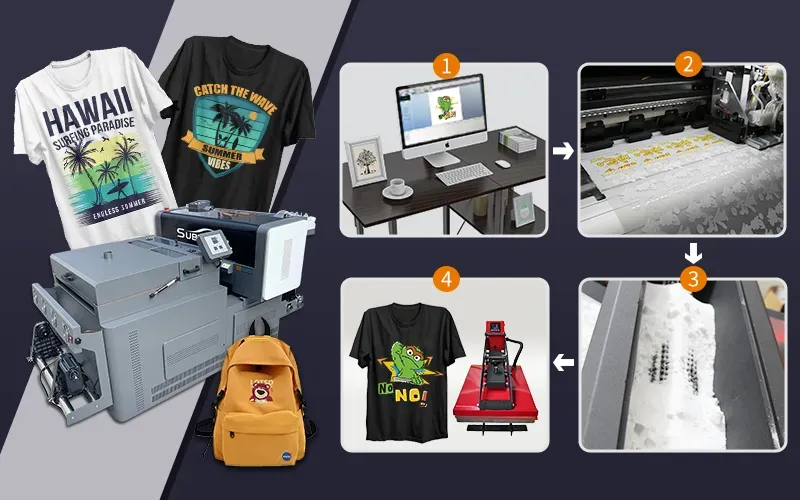
In the dynamic world of custom apparel printing, DTF printing techniques are emerging as a game-changer for brands looking to enhance their visibility and offerings. This innovative technology, known as Direct-to-Film printing, utilizes water-based inks to create vibrant designs with exceptional detail, all while promoting eco-friendly practices. As the demand for personalized merchandise continues to rise, more businesses are turning to DTF printing for its versatility and efficiency. With advancements in textile printing innovations, companies can now produce high-quality prints that cater to diverse consumer preferences. In this introductory exploration, we’ll dive deeper into the transformative impact of DTF printing on the industry and how it can help elevate your brand’s identity.
Known for its efficiency and vibrant outcomes, Direct-to-Film printing stands at the forefront of modern textile printing technologies. This technique allows for the meticulous application of designs onto specialized films, which are then transferred onto various fabrics, making it a favorite among those in the custom merchandise realm. As brands lean into eco-friendly printing practices, innovations like DTF provide a sustainable solution without compromising on print quality. The versatility offered by this method opens the door for unique personalization opportunities, which resonates with today’s consumers who crave individuality in their purchases. Join us as we unpack the potential of these advanced printing methodologies and how they can reshape branding strategies across industries.
Exploring Direct-to-Film Printing Techniques
Direct-to-Film (DTF) printing techniques are revolutionizing the textile printing industry. This innovative process allows designers to print vibrant and complex graphics on a special film, which is then transferred onto a variety of fabrics. DTF printing stands out for its capacity to produce high-quality prints that remain durable and colorful, ensuring longevity in apparel and merchandise. By utilizing water-based inks, DTF printing not only achieves remarkable detail but also promotes eco-friendly practices, making it a popular choice for brands conscious of their environmental footprint.
The efficiency of DTF printing is another key benefit, as it enables quicker turnaround times compared to traditional printing methods. This speed is essential for brands looking to capitalize on the fast-changing fashion trends and consumer demands. Moreover, with the advent of advanced DTF printers, businesses can expect higher resolutions and better color accuracy, allowing them to create merchandise that truly resonates with their audience. Whether for promotional purposes or customer-exclusive designs, DTF printing techniques can redefine how brands communicate their visual identity.
The Advantages of Eco-Friendly Printing Solutions
Eco-friendly printing solutions are more critical now than ever as consumers grow increasingly conscious of environmental issues. DTF printing exemplifies this commitment through its use of biodegradable films and non-toxic inks. Many brands leverage these eco-friendly elements not only to reduce their carbon footprint but also to market themselves as sustainable choices in the eyes of environmentally aware customers. This strategy helps foster trust and loyalty, giving brands a significant competitive edge in today’s retail environment.
By adopting DTF printing techniques, businesses can flaunt their dedication to sustainability while producing high-quality products. The eco-friendly nature of DTF printing eliminates harmful solvents found in traditional processes, further solidifying its appeal. Brands that actively promote their sustainable practices attract a dedicated customer base that values corporate responsibility, ultimately leading to increased sales and brand loyalty.
Customization: Meeting Consumer Expectations
In today’s market, customization is key to satisfying consumer expectations. DTF printing technologies excel in personalization, enabling brands to create one-of-a-kind items tailored to individual preferences. By offering custom apparel printing services, businesses engage customers by giving them a stake in design. This trend not only enhances the shopping experience but also drives sales, as consumers are often willing to pay a premium for unique products.
Moreover, the capacity for customization through DTF printing responds directly to the rising demand for personalized merchandise. With the ability to produce limited edition runs, brands can quickly adapt to emerging trends and capitalize on fleeting customer interests. This versatility in applications makes DTF printing a powerful tool for brands, allowing them to stay relevant in an ever-evolving marketplace.
Technological Innovations Shaping DTF Printing
The world of textile printing is undergoing a significant transformation, driven by the latest technological innovations in DTF printing. Modern DTF printers are equipped with faster printing speeds and higher resolution capabilities, enabling brands to produce intricate designs with stunning clarity. This leap in technology not only enhances the final product’s quality but also optimizes production efficiency, allowing businesses to respond rapidly to market demands.
With advancements in DTF printing technology, companies can expect to maintain relevancy by adapting to changing consumer preferences. The capability to produce detailed designs quickly is especially advantageous in the fast-paced world of fashion and custom apparel printing. By harnessing these technological innovations, brands can take their product offerings to new heights, setting themselves apart from competitors and better serving their customers.
Market Trends Influencing DTF Printing Adoption
DTF printing’s rise in popularity can be attributed to several market trends that are reshaping consumer behavior. As the demand for personalized and custom products soars, DTF printing allows brands to cater to this need, providing customers with the ability to design their own apparel. This flexible approach not only meets the unique preferences of modern consumers but also drives the overall growth of the DTF printing market.
Additionally, the increasing reliance on e-commerce platforms has paved the way for small businesses and independent artists to thrive using DTF technology. By leveraging online marketplaces, these creators can reach broader audiences with their personalized merchandise. This democratization of custom apparel printing empowers more players in the market, fueling the ongoing growth of DTF printing as a preferred method for brands of all sizes.
Case Studies: Brands Benefiting from DTF Printing
Numerous brands have successfully integrated DTF printing innovations into their operations, showcasing tangible benefits and improved customer engagement. For instance, local apparel shops have noted significant increases in sales after adopting DTF printing techniques, which enable them to produce high-quality, customizable products that resonate with their niche markets. This agility allows them to cater to specific customer preferences quickly and effectively.
Similarly, online startups utilizing DTF printing technology leverage social media marketing to showcase their unique designs, often leading to viral marketing successes. By presenting personalized merchandise through engaging content, these brands can attract attention while effectively communicating their offerings’ unique value propositions. These case studies illustrate the potential of DTF printing for driving brand visibility and boosting sales across various market segments.
Frequently Asked Questions
What are DTF printing techniques and how do they work?
Direct-to-Film (DTF) printing techniques involve printing high-quality images onto a special film, which is then transferred onto various types of fabrics. This method utilizes eco-friendly, water-based inks that provide vibrant colors and precise details, making it ideal for custom apparel printing.
How does DTF printing compare to traditional textile printing methods?
DTF printing outperforms traditional textile printing methods by offering faster speeds, higher resolutions, and the use of non-toxic inks. This innovation allows for intricate designs and quick turnaround times, making DTF a preferred choice for personalized merchandise.
What are the eco-friendly benefits of using DTF printing?
DTF printing techniques employ water-based inks and biodegradable films, which reduce harmful waste and minimize environmental impact. These eco-friendly practices appeal to consumers who prioritize sustainable purchasing, making it a smart choice for modern brands.
Can DTF printing be used for custom apparel and promotional merchandise?
Yes, DTF printing is highly versatile and is perfect for custom apparel and promotional merchandise. Its ability to create unique, one-off designs allows brands to cater to specific market needs, enhancing customer engagement and brand visibility.
What trends are driving the popularity of DTF printing in the textile industry?
The rise in demand for customization and the growing e-commerce market are major trends driving the popularity of DTF printing techniques. Businesses are increasingly leveraging this technology to produce limited edition items and engage customers in new, creative ways.
How can brands leverage DTF printing for effective branding?
Brands can use DTF printing to create distinctive merchandise that stands out in the market. By offering limited edition products and involving customers in the design process, businesses can enhance brand recognition and foster stronger customer relationships.
| Key Point | Description |
|---|---|
| DTF Printing Overview | A modern technique allowing high-quality prints on various fabrics through a film transfer process. |
| Technological Advancements | Faster speeds, higher resolution, and eco-friendly inks enhance efficiency and quality. |
| Market Growth | DTF printing is benefiting from the demand for customization and its versatility across different textiles. |
| Sustainability Focus | Biodegradable films and non-toxic inks align DTF printing with eco-friendly practices. |
| Customization Opportunities | DTF printing allows brands to create distinctive merchandise and respond quickly to trends. |
Summary
DTF Printing Techniques offer an innovative approach to textile printing that can significantly elevate your brand’s market presence. This method not only empowers brands by providing high-quality prints with eco-friendly materials but also allows for customization that meets the growing consumer demand for unique products. With advancements in technology leading to faster production speeds and higher resolutions, DTF printing is reshaping how businesses engage with their customers. Furthermore, the emphasis on sustainable practices through biodegradable transfer films and non-toxic inks makes this technique not just a trend but a responsible choice for modern brands. In a competitive marketplace, adopting DTF printing techniques can enhance product offerings, foster brand loyalty, and ensure long-term success.