
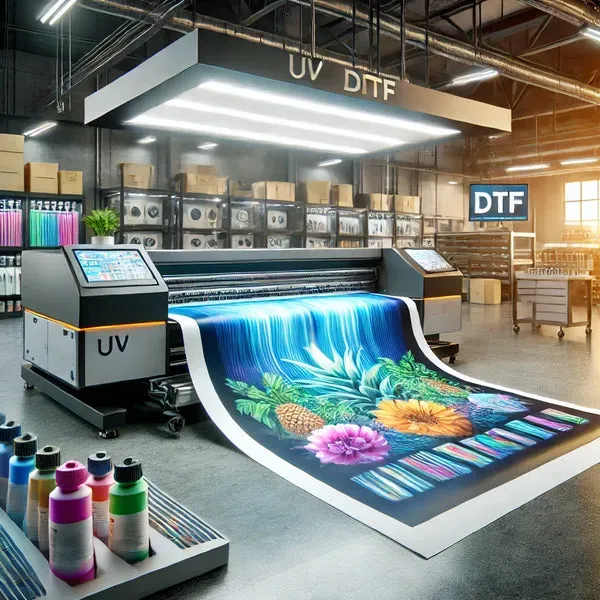
When it comes to innovative printing technologies, UV DTF technology boldly leads the charge, revolutionizing the way businesses approach design and production. This Ultraviolet Direct to Film printing method combines speed and creativity, enabling vivid and high-resolution prints on a diverse range of materials. With its emphasis on sustainability, UV DTF aligns with the growing demand for eco-friendly printing solutions, making it a preferable choice for modern businesses. As industries evolve to meet consumer expectations, integrating UV printing techniques can significantly enhance brand appeal and product longevity. In this article, we will explore how UV DTF works, its benefits, and its transformative impact on the world of creative printing.
Ultraviolet Direct to Film printing, commonly referred to as UV DTF, represents a significant step forward in printing technology, merging innovative approaches with ecological considerations. Known for providing sharp and dynamic prints, this method employs ultraviolet light to cure inks directly onto film substrates, which enhances durability and visual impact. As the printing landscape shifts towards more sustainable practices, the appeal of this technique grows, particularly among clients who prioritize eco-friendliness in their customization needs. Exploring alternatives like UV DTF opens doors to cutting-edge solutions in the realms of creative printing and product personalization, all while ensuring rapid production times and superior quality. This discourse will delve deeper into the mechanisms and advantages that make UV DTF a standout choice in today’s competitive markets.
Understanding UV DTF Technology
Ultraviolet Direct to Film (UV DTF) technology is revolutionizing the way printing is approached in various sectors. By utilizing ultraviolet light to cure specially formulated inks, UV DTF offers a seamless blend of innovation and practicality. This method allows printers to apply vivid colors directly onto films, which can subsequently be transferred onto a variety of substrates. Unlike traditional methods that often rely on lengthy drying processes involving heat or solvent-based inks, UV DTF ensures immediate curing with UV light, transforming the printing landscape.
The process behind UV DTF is not just about speed; it is also about quality. The inks used are engineered to bond tightly with surfaces, resulting in sharp, vibrant images that are resistant to fading and scratches. This technology opens up possibilities for customization in industries such as fashion, packaging, and promotional materials, enabling businesses to meet growing consumer demand for tailored solutions. The efficiency and quality of UV DTF place it at the forefront of modern printing technologies, capturing the interest of professionals seeking innovative ways to stand out in a competitive market.
The Process of UV Printing Explained
UV printing, specifically through the DTF technique, follows a systematic yet innovative approach. It begins with the precise application of UV-reactive inks on a special film. Once the inks are generously applied, the film is subjected to UV light, which triggers a chemical reaction allowing the ink to cure almost instantly. This process eliminates drying times that are typically a bottleneck in conventional printing methods, marking a significant improvement in production efficiency.
Moreover, the advanced curing process plays a crucial role in the durability of the prints. The instantaneous hardening of inks means that they adhere better to surfaces, making them more resilient against daily wear and tear, water exposure, and fading. This level of durability is particularly essential for products intended for outdoor use or products that need to maintain their quality despite frequent handling, illustrating the significant advantages of choosing UV DTF in the realm of printing technology.
Key Benefits of Choosing UV DTF
UV DTF technology offers several compelling advantages that set it apart from traditional methods. One of the primary benefits is its versatility; businesses can print on an extensive range of materials including plastics, textiles, wood, and metals. This adaptability allows companies to explore creative printing solutions across different industries such as textiles, signage, and custom packaging. The capacity for diverse applications not only boosts creativity but also enhances market competitiveness for businesses.
Another significant advantage is the remarkable durability of UV DTF prints. The rapid curing process ensures that colors remain bold and vivid, resisting fading caused by exposure to sunlight or harsh conditions. In addition, the strong adherence of inks prevents scratches and water damage, making UV DTF an excellent choice for products that must maintain a pristine appearance under tough circumstances. This durability can translate into lower costs for businesses in the long run, as customers are likely to demand less frequent replacements of high-quality items.
Market Trends Influencing UV DTF
The landscape of the printing market is continually evolving, with UV DTF technology witnessing significant growth driven by trends in customization and sustainability. As consumers increasingly seek unique, personalized products, the demand for advanced printing methods that can deliver high-quality results swiftly is on the rise. UV DTF stands out in this context as it enables businesses to offer one-of-a-kind designs quickly, enhancing customer satisfaction and loyalty.
Moreover, the rise of eco-conscious purchasing behavior is pushing companies to adopt more sustainable printing practices. UV DTF technology utilizes eco-friendly inks that produce minimal emissions compared to traditional solvent-based systems, linking environmental responsibility with modern printing solutions. As brands become more mindful of their impact on the planet, the ability to produce high-quality prints without compromising ecological integrity positions UV DTF as a leader in the sustainable printing movement.
Sustainability in UV DTF Technology
In an age where sustainability is becoming increasingly important, UV DTF technology presents a compelling alternative to traditional printing practices. Traditional printing methods often release volatile organic compounds (VOCs) and other pollutants, contributing to environmental degradation. Conversely, UV DTF inks are typically water-based, resulting in significantly lower emissions, making it a safer choice for both manufacturers and consumers.
Additionally, the energy efficiency involved in the UV curing process further enhances the eco-friendly credentials of UV DTF. By requiring less energy than conventional drying techniques, UV DTF minimizes the overall carbon footprint associated with production. This not only benefits the environment but also aligns with the shifting consumer expectations towards brands that prioritize sustainable practices. By embracing UV DTF technology, companies can not only meet the high standards of modern consumers but also contribute positively to environmental conservation efforts.
The Future of Creative Printing Solutions with UV DTF
As we look toward the future, UV DTF technology is poised to redefine the creative landscape of printing solutions. The ability to produce high-resolution prints on diverse materials with durability makes this method an attractive option for businesses aiming to innovate. With continuous advancements in ink formulations and printing equipment, the potential for creativity and customization will only expand, allowing brands to push boundaries and explore new markets.
Furthermore, as consumer expectations shift towards individuality and personalization, UV DTF provides an ideal platform for businesses to meet these demands creatively. From custom apparel to personalized home decor, the possibilities are endless. Companies that harness the capabilities of UV DTF technology can effectively position themselves as leaders in contemporary printing, ready to cater to the evolving tastes and preferences of their customers.
Frequently Asked Questions
What are the key advantages of UV DTF technology in printing?
UV DTF technology offers several key advantages, including versatility for printing on various substrates like plastics, wood, and textiles, as well as durability, ensuring that prints withstand scratches, fading, and water damage. Additionally, it facilitates quick production times due to instant curing with UV light, enhancing efficiency in meeting customer demands.
How does the UV DTF printing process compare to traditional printing methods?
The UV DTF printing process differs significantly from traditional methods as it utilizes ultraviolet light to cure inks instantly, eliminating the need for heat drying and multiple processes. This results in faster production and more robust prints that are less susceptible to damage, whereas traditional methods often rely on solvent-based inks that require longer drying times and can produce harmful emissions.
Can UV DTF technology be used for sustainable printing practices?
Yes, UV DTF technology is inherently more sustainable than many traditional printing techniques because it uses eco-friendly, low-emission inks that minimize environmental impact. The water-based inks and energy-efficient curing process align with eco-conscious practices, making UV DTF an excellent choice for businesses looking to adopt greener printing solutions.
What materials can be printed using UV DTF technology?
UV DTF technology is highly versatile and can print on a wide range of materials, including plastics, metals, wood, textiles, and more. This adaptability allows businesses in various sectors, such as fashion and packaging, to explore innovative printing solutions tailored to their unique needs.
What industries can benefit from using UV DTF printing technology?
Multiple industries can benefit from UV DTF printing technology, including fashion, signage, packaging, and promotional materials. The ability to produce vibrant, durable prints on diverse substrates offers creative flexibility and enhances market competitiveness for businesses across these sectors.
How does UV DTF technology contribute to faster production times in printing?
UV DTF technology contributes to faster production times by curing inks instantly with ultraviolet light right after application. This immediate curing process eliminates lengthy drying periods commonly associated with traditional printing methods, allowing businesses to increase their production capacity and respond more rapidly to customer orders.
| Aspect | Details |
|---|---|
| What is UV DTF? | A printing method using UV light to cure inks on a film substrate, enabling vibrant, durable prints without the need for heat drying. |
| How Does It Work? | Inks are applied to a film and immediately cured with UV light, resulting in a fast and durable print process. |
| Key Advantages | 1. Versatility: Prints on various materials. 2. Durability: Long-lasting and resistant to wear. 3. Quick Production Times: Faster turnaround due to instant curing. |
| Market Trends | Rapid growth driven by customization demand, sustainability preferences, and eco-friendly ink practices in various sectors. |
| Environmental Considerations | UV DTF is a greener alternative to traditional methods, producing minimal emissions and utilizing water-based inks. |
Summary
UV DTF technology is at the forefront of modern printing methods, combining innovation with sustainability. This technology allows businesses to produce vibrant, high-quality prints quickly and on various surfaces while minimizing environmental impact. As industries continue to seek eco-friendly solutions, adopting UV DTF is not only beneficial for creating impressive products but also essential for promoting responsible manufacturing practices. By leveraging the strengths of UV DTF, businesses are positioned to meet contemporary consumer demands while steering towards a more sustainable future.