
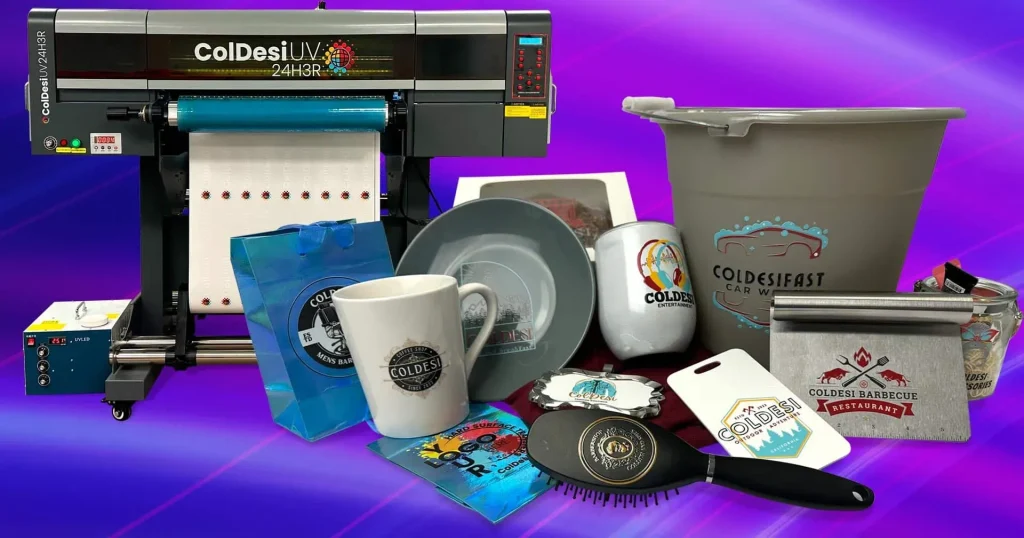
UV DTF printing, short for Ultraviolet Direct-to-Film printing, has emerged as a game-changer in the realm of custom printing solutions in 2023. With its innovative technology and efficient processes, this cutting-edge printing method allows businesses to produce vibrant, high-quality prints on various substrates, from textiles to rigid materials. As UV printing trends evolve, environmental considerations are becoming more crucial, with a growing emphasis on sustainable printing practices. The automation integrated into UV DTF systems not only enhances print efficiency but also reduces operational costs, making them an essential investment for modern print businesses. In this guide, we will delve into the top trends impacting UV DTF printing today, enabling you to stay informed and competitive in the dynamic printing market.
In the ever-changing landscape of printing technology, the rise of UV direct-to-film printing stands out for its versatility and effectiveness. Often referred to as UV transfer printing, this method harnesses the power of ultraviolet light to deliver instant results and exceptional durability across a wide range of materials. As the push for sustainable printing continues, this approach is gaining traction among eco-conscious businesses eager to embrace environmentally responsible practices. The incorporation of advanced automated printing techniques not only boosts production capacity but also ensures consistency and quality. With a growing demand for unique, customized products, understanding the significance of UV direct-to-film printing is essential for professionals seeking to thrive in the modern market.
The Rise of UV DTF Printing in Sustainable Practices
In 2023, UV DTF printing is at the forefront of sustainable printing trends, marking a significant transition in how businesses approach their printing needs. Companies are now leveraging eco-friendly inks and biodegradable materials, which not only adhere to strict environmental standards but also cater to a growing customer base conscious of sustainability. The movement towards greener practices is more than just a trend; it’s a necessity as consumers increasingly demand that brands demonstrate social responsibility in their production processes.
Furthermore, integrating sustainable practices into UV DTF printing helps businesses differentiate themselves in a competitive landscape. By aligning with environmental goals, companies not only appeal to eco-conscious consumers but also enhance their brand image. This proactive approach can cultivate a loyal customer base, as more individuals choose to support businesses that prioritize sustainable operations over those that do not.
Advancements in Speed and Efficiency of UV DTF Printing
The UV DTF printing market has experienced substantial advancements in speed and efficiency, significantly impacting production rates. High-speed, automated printers are now capable of handling large volumes of work without compromising on print quality. These innovations allow printing companies to meet tight deadlines and react swiftly to customer demands, effectively increasing their overall print efficiency.
Moreover, the enhancement of operational workflows, coupled with the speed of UV DTF printing, leads to lower labor costs and reduced operational wastage. As a result, businesses are not only able to enhance production output but also optimize their resource management. Investing in cutting-edge UV DTF technology is becoming a crucial step for any company aiming to thrive in this fast-paced industry.
Exploring Expanded Substrate Compatibility
One notable trend in UV DTF printing is the ongoing expansion of substrate compatibility. Printing on a wider variety of materials—from textiles to metals—opens up new avenues for customization and product offerings. This flexibility allows businesses to cater to diverse markets, including fashion, home decor, and promotional products, enhancing their service capabilities.
Moreover, this broadening range not only satisfies current consumer preferences for unique products but also sparks creative applications within the printing industry. Companies embracing this trend can leverage the versatility of UV DTF printing to develop distinct, high-quality outputs, thereby increasing customer satisfaction and establishing a competitive edge in the market.
The Customization Boom in UV DTF Printing
Customization is a defining trend in 2023, especially within UV DTF printing, where consumers demand unique products that reflect their individual tastes. This printing method excels in providing tailored designs, enabling businesses to offer exceptional personalization in promotional items, apparel, and various gifts. By tapping into this consumer desire for individuality, companies can foster deeper connections with their customer base.
Responding to this trend not only enhances brand loyalty but also encourages repeat business as customers seek out companies that can fulfill their specific requests. As personalization becomes increasingly prevalent in consumer goods, businesses that invest in advanced UV DTF printing technology can offer solutions that stand out in a saturated market filled with generic options.
Automation: Shaping the Future of UV DTF Printing
The integration of automation in UV DTF printing is revolutionizing production processes, making them more efficient and reliable. Automation minimizes human error and streamlines workflows, which results in faster turnaround times and increased consistency across printed products. Companies adopting automated printing solutions are better equipped to handle large orders and quick revisions without compromising quality.
Furthermore, by automating repetitive tasks, businesses can redirect their human resources toward more strategic initiatives, such as developing innovative products or exploring new market opportunities. As the printing industry continues to evolve, the use of automation in UV DTF printing is poised to be a transformative factor that enhances operational performance and drives profitability.
Innovative Finishing Techniques in UV DTF Printing
Innovative finishing techniques are rapidly gaining traction in UV DTF printing, adding substantial value to the final products. Advanced UV coatings and finishing options not only protect prints from wear and tear but also enhance their visual appeal. By employing these techniques, businesses can deliver high-quality products that meet consumer expectations for durability and aesthetics.
As consumer preferences evolve, the demand for unique textures and striking visuals in printed products becomes paramount. Companies that invest in innovative finishing options can differentiate themselves in a crowded market, attracting customers who seek both beauty and durability. The ability to provide specialized finishing touches will likely become a key driver of customer satisfaction and retention in the competitive landscape of UV DTF printing.
Frequently Asked Questions
What are the latest trends in UV DTF printing for 2023?
In 2023, key trends in UV DTF printing include a heightened focus on sustainability through eco-friendly inks and biodegradable films, increased speed and efficiency with advanced machinery, and a broader range of compatible substrates allowing for more diverse printing applications.
How does UV DTF printing contribute to sustainable printing solutions?
UV DTF printing supports sustainable printing solutions by utilizing eco-solvent inks and biodegradable films, significantly reducing environmental impact while meeting the demands of eco-conscious consumers.
What makes UV DTF printing an efficient choice for custom printing solutions?
UV DTF printing is incredibly efficient due to its rapid drying capabilities, allowing for high production volumes without compromising print quality, making it ideal for businesses focused on providing custom printing solutions.
What role does automation play in the efficiency of UV DTF printing?
Automation in UV DTF printing enhances operational efficiency by reducing human error, increasing consistency, and speeding up the production cycle, allowing businesses to handle high-volume orders with ease.
Which substrates are compatible with UV DTF printing?
UV DTF printing has expanded substrate compatibility, enabling printing on various materials such as textiles, plastics, metal, wood, and leather, allowing for creative and customized applications.
How can businesses leverage innovative finishing techniques in UV DTF printing?
Businesses can enhance the appeal of UV DTF prints by employing innovative finishing techniques, such as UV coatings that improve durability and aesthetics, catering to consumer demands for high-quality, long-lasting products.
| Trend | Description |
|---|---|
| Sustainability Focus | Shift towards eco-friendly practices, using biodegradable films and eco-solvent inks to meet environmental demands and enhance competitiveness. |
| Speed and Efficiency | Technological advancements result in high-speed printers that improve production volumes and reduce costs while maintaining print quality. |
| Expanded Substrate Compatibility | Increased variety of printable materials, from textiles to rigid substrates, allowing businesses to expand their offerings and customization options. |
| Customization and Personalization | Rising consumer demand for unique designs leads to more personalized products in promotional items and fashion prints, enhancing brand loyalty. |
| Integration of Automation | Incorporation of automated systems to enhance efficiency, reduce errors, and allow staff to focus on strategic tasks rather than routine operations. |
| Innovative Finishing Techniques | Advancements in finishing options provide durability and aesthetic enhancements, meeting consumer preference for vibrant and lasting products. |
Summary
UV DTF printing is reshaping the printing industry in 2023 with its increasing focus on sustainability, efficiency, and customization. Businesses that embrace these key trends can not only fulfill diverse customer demands but also enhance their competitive advantage in a rapidly evolving market. The integration of eco-friendly practices, automation, and innovative finishing techniques further positions UV DTF printing as a critical player in the future of printing. By leveraging these advancements, companies can ensure their adaptability and success in meeting the needs of their clients.