
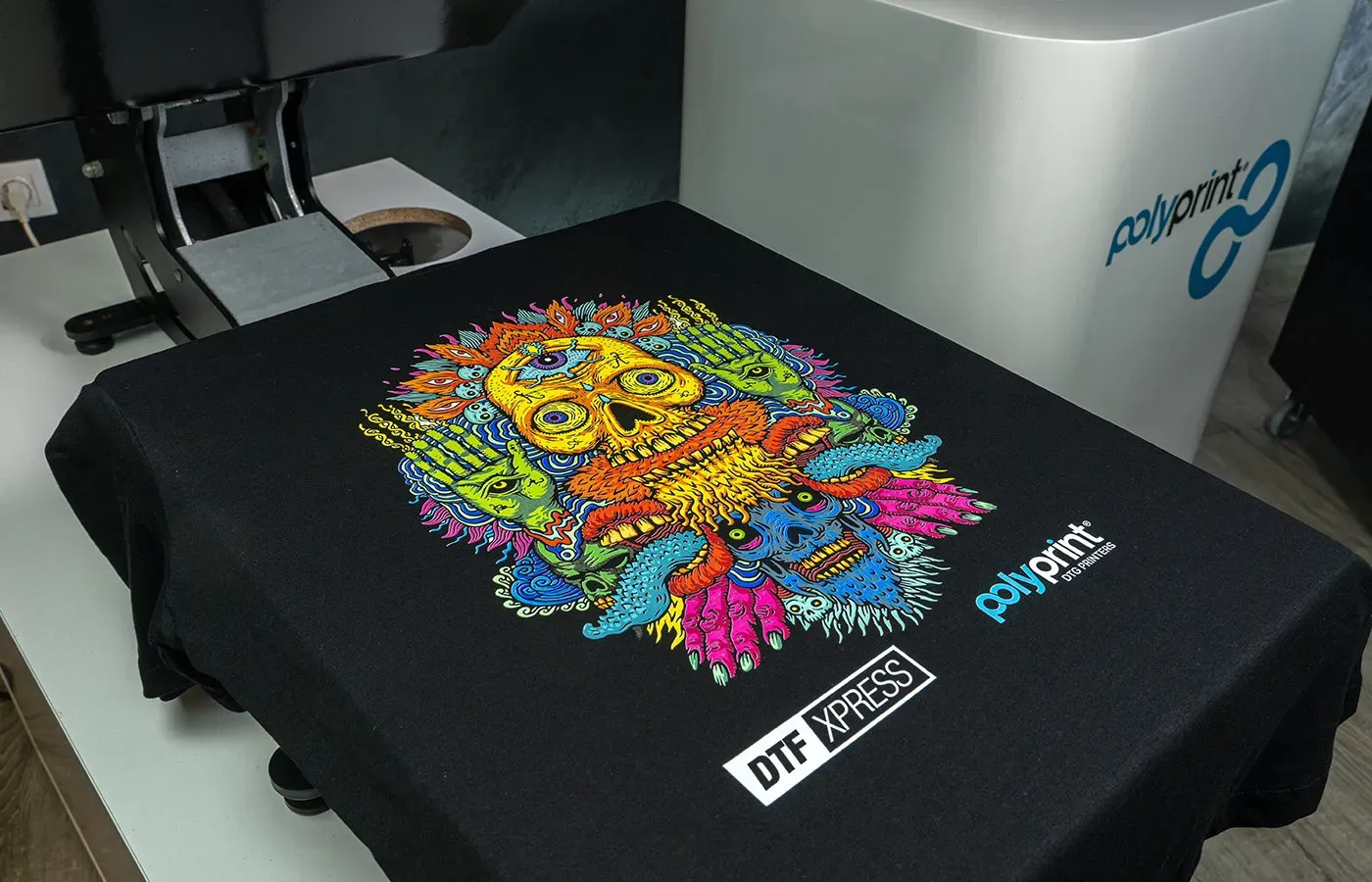
DTF printing, or Direct to Film printing, has emerged as a game-changer in the world of customized apparel. This cutting-edge technique enables creators to produce vibrant and durable prints on a wide range of fabrics, offering unparalleled design flexibility. As more enthusiasts and entrepreneurs discover the benefits of this method, understanding the essentials of DTF printing becomes paramount. From DTF printers that efficiently handle specialized inks and transfer films to the importance of hot melt powder and heat presses, every component plays a vital role. Join us as we delve into the key supplies that will help you embark on an exciting journey into the realm of DTF printing.
In recent years, the custom garment printing landscape has seen a major shift with advancements in film transfer methods. This process allows for high-quality images to be directly applied onto textiles using specialized equipment and materials. By leveraging innovative tools such as film transfer printers, adhesive powders, and thermal presses, creators can achieve impressive results that cater to a variety of fabric types. As interest in this method grows, so does the need for knowledge about the supplies that make up the foundation of successful fabric decoration. Discover how effective use of transfer films, printing machines, and heat application techniques can elevate your fabric design projects.
Choosing the Right DTF Printer for Your Needs
When starting with DTF printing, selecting the right DTF printer is a crucial first step. Various models available in the market are engineered specifically for this innovative printing technique, ensuring compatibility with DTF supplies like transfer films and hot melt powder. Researching features such as printing resolution, speed, and ease of use can assist you in determining the best printer for your needs. It’s essential to choose a printer known for its excellent performance and one that offers support for DTF processes.
Additionally, many manufacturers produce modified DTG printers that can also operate as DTF printers. These modified machines can offer versatility, allowing you to explore a broader range of applications. When assessing your options, consider printers with positive user reviews and a reputation for long-term reliability in the DTF printing industry. Investing in a top-notch DTF printer can enhance the quality of your prints and boost your overall efficiency.
Essential DTF Inks for Vibrant Prints
Selecting the right DTF inks is pivotal for achieving vibrant and long-lasting prints. DTF-specific inks are designed to form a robust bond with both transfer films and fabrics, ensuring that your designs maintain their color and integrity over time. High-quality inks not only yield superior print results but also minimize issues such as clogging and color mismatches. It's advisable to opt for inks that are well-reviewed and tested for compatibility with your chosen DTF printer.
Moreover, understanding the differences in ink formulations can help you cater to specific fabric types. For instance, some inks may perform better on cotton, while others excel with synthetic blends. By choosing the right DTF inks suitable for your printing materials, you can consistently create detailed and colorful designs that captivate your audience’s attention.
The Importance of Quality Transfer Films in DTF Printing
Transfer films are a cornerstone of successful DTF printing, and their quality can drastically influence the final product. The films are crafted with a special coating that allows them to effectively hold ink and an adhesive layer that activates upon heating. When selecting transfer films, ensure they have been rigorously tested for durability and adhesion to various fabric types to avoid poor transfer results.
It's also vital to understand the different types of transfer films available, such as matte and glossy finishes, and choose according to the desired look of your final print. Investing in high-quality transfer films gives you the confidence that your colors will appear vivid, and your designs will stand up to wear and washing, which is essential for both commercial and personal projects.
Utilizing Hot Melt Powder for Superior Adhesion
Hot melt powder is a significant adhesive component that enhances the bonding between your printed designs and the fabric. After printing, it's crucial to sprinkle the hot melt powder on your design before applying heat with a press. This step is vital for ensuring a strong adhesion between the transfer film and the fabric, resulting in longer-lasting prints.
Choosing high-quality hot melt powder is equally important as it can affect the overall transfer quality. Some powders are designed for specific types of fabrics or printing conditions, so be sure to select one that matches your printing needs. By properly utilizing hot melt powder, you increase the durability of your designs, leading to satisfied customers and successful projects.
Heat Press Machines: Precision and Control in DTF Printing
A reliable heat press machine is indispensable in DTF printing, as it provides uniform heat and pressure necessary for transferring designs onto fabric. The quality of your heat press can directly impact the final appearance and longevity of your prints. Therefore, investing in a machine that allows for precise temperature and pressure adjustments is crucial for achieving optimal results.
Additionally, heat presses come in various sizes and styles, so consider the types of projects you will be undertaking before making a purchase. Whether you opt for a clamshell or a swing-away style, ensure it accommodates the fabric types and thicknesses you plan to work with. A high-quality heat press will not only enhance your printing efficiency but also allow for creativity in your designs.
Innovations in DTF Printing Equipment for Beginners
Advancements in DTF printing technology have led to the introduction of innovative equipment aimed at simplifying the printing process for beginners. For instance, the LOKKLiK iPrinter is a remarkable option that bundles essential supplies, including inks, transfer films, and hot melt powder, making it an excellent value for newcomers to the world of DTF printing. This all-in-one solution reduces the complexities associated with sourcing materials and can help streamline your setup.
Such innovations eliminate the hassle of piecing together various components from multiple suppliers, enabling you to focus more on mastering the art of DTF printing. By utilizing cutting-edge equipment, beginners can experience a smoother learning curve while producing high-quality prints from the outset. Staying updated with the latest DTF technologies can significantly enhance both your productivity and creativity.
Frequently Asked Questions
What supplies do I need to start DTF printing?
To start DTF printing, you'll need a dedicated DTF printer, DTF inks, transfer films, hot melt powder, and a reliable heat press. These supplies are crucial for achieving high-quality prints on different fabrics.
How does a DTF printer differ from traditional printers?
A DTF printer is specifically designed for printing on transfer films, utilizing DTF inks that bond effectively with fabrics. Unlike traditional printers, DTF printers focus on creating durable heat transfers rather than direct-to-garment printing.
What are transfer films and their role in DTF printing?
Transfer films are essential in DTF printing, serving as the medium that holds your printed designs. These films have a special coating and adhesive layer that activates under heat, ensuring the ink adheres properly to the fabric.
Why is hot melt powder important in the DTF printing process?
Hot melt powder acts as an adhesive that enhances the bond between your design on the transfer film and the fabric. Sprinkling this powder before using a heat press ensures a strong, durable transfer of the print.
Can I use any heat press for DTF printing?
Not all heat presses are suitable for DTF printing. It's crucial to choose a heat press that provides consistent temperature and pressure to facilitate effective transfers, ensuring high-quality results.
What is the significance of using compatible DTF inks?
Using compatible DTF inks is vital for achieving vibrant colors and long-lasting prints. These inks are specially formulated to bond well with both the transfer films and the fabric, preventing issues during the printing process.
| Key Supply | Description |
|---|---|
| DTF Printer | Specialized printer designed for DTF printing, ensuring optimal performance with DTF methods. |
| DTF Inks | Inks specifically formulated for vibrant colors and long-lasting prints, compatible with DTF films. |
| Transfer Films | Films with special coatings crucial for holding prints and providing strong adhesion to fabrics. |
| Hot Melt Powder | Adhesive powder used to enhance the bond between the printed design and fabric. |
| Heat Press | Machine essential for transferring designs onto fabric with consistent pressure and temperature. |
Summary
DTF printing is an innovative technique that allows for high-quality, vibrant printing on various fabric types. To embark on your DTF printing journey successfully, it is essential to equip yourself with the right supplies, such as a specialized DTF printer, compatible inks, transfer films, hot melt powder, and a reliable heat press. By investing in these key components and leveraging the latest advancements in equipment, such as the LOKKLiK iPrinter, you will be well-prepared to create stunning designs that stand out in the custom apparel market. Embrace the dynamic possibilities of DTF printing, and let your creativity flourish in this exciting field.