
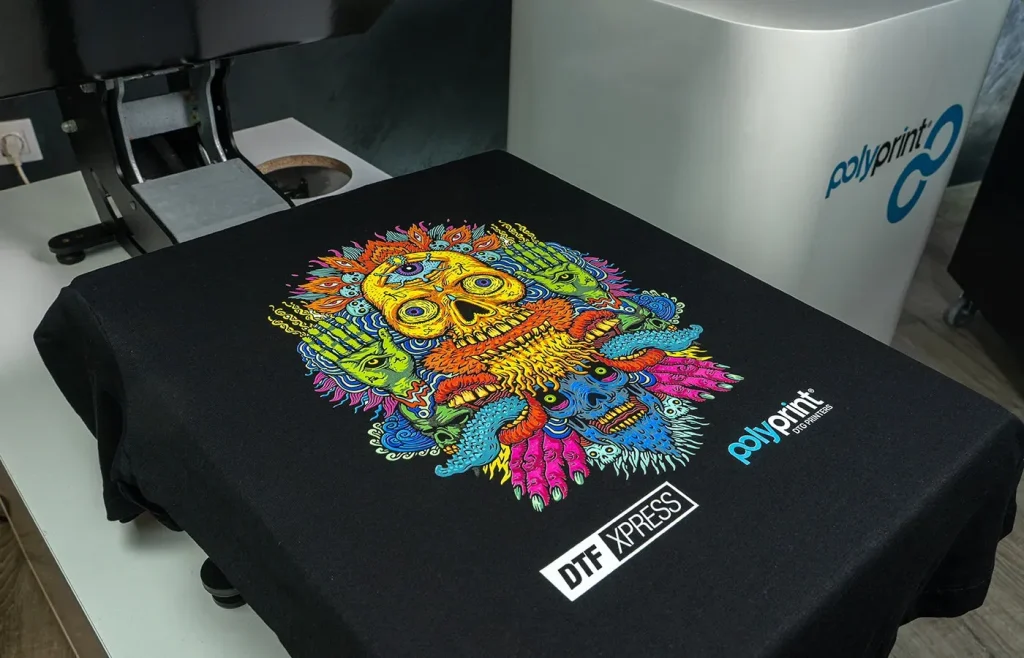
In recent years, DTF printing has emerged as a groundbreaking technique that is transforming the textile printing industry. This innovative Direct to Film (DTF) method enables designers and businesses to apply stunning, vibrant colors onto various fabrics with unprecedented quality and efficiency. As the demand for custom printing on apparel escalates, DTF printing technology is quickly becoming the preferred choice for many due to its versatility and ability to create durable designs. Gone are the days of limited printing options; with DTF, the possibilities are endless, allowing for intricate details that elevate any garment. This evolution in textile printing not only enhances aesthetics but also fulfills the growing consumer desire for personalized apparel solutions.
Also known as Direct to Film printing, this modern printing technology is set to redefine how designs are transferred onto textiles. Whether referred to as film-based printing or innovative fabric decoration, DTF empowers manufacturers and custom apparel businesses alike to deliver eye-catching prints that boast rich, vibrant colors. By employing a unique process that combines the best aspects of traditional and digital printing, this technique supports a range of materials, making it a versatile option for various textile applications. As the industry evolves, understanding the nuances of this revolutionary printing method is essential for anyone looking to stay ahead in the competitive apparel market.
Understanding DTF Printing Technology
Direct to Film (DTF) printing stands out in the textile printing industry as a cutting-edge method that allows for high-quality and durable designs. Unlike traditional printing methods, this innovative technique prints vibrant colors directly onto a special film, which can then be transferred to various fabric types. This versatility makes it an ideal choice for apparel printing, where diverse materials like cotton or polyester are often utilized. DTF printing merges the best aspects of vinyl and direct-to-garment (DTG) printing, offering a strong competitive advantage for businesses looking to stand out.
The process of DTF printing is remarkably efficient. After the design is printed onto the film, it is then heat-pressed onto the garment. This approach eliminates the need for extensive pre-treatment, simplifying the workflow while delivering vibrant and intricate designs. DTF’s high-quality output, characterized by rich colors and precise details, caters not only to large businesses but also to small-scale custom printers who may not have access to complex systems. As the demand for unique garments increases, DTF technology is becoming an essential part of the printing toolkit for custom apparel brands.
The Advantages of DTF Over Traditional Methods
DTF printing offers numerous advantages over traditional methods like screen printing and DTG. One of the most significant benefits is its versatility. While screen printing is often limited to specific fabric types, DTF can be seamlessly applied to a variety of materials, including higher blends of polyester and even nylon. This adaptability is appealing to businesses aiming to cater to a wider customer base looking for personalized apparel solutions. The efficient production process also allows for quick turnaround times, which is essential in today’s fast-paced fashion landscape.
Moreover, the vibrant colors produced by DTF printing set it apart from its counterparts. The advanced inks used ensure that the designs remain bright and true to the original artwork, which is crucial when executing custom printing projects. This can greatly enhance customer satisfaction, making DTF ideal for those who prioritize high-quality outputs. Furthermore, the capability of producing lower minimum orders means that small businesses and startups can compete with larger companies without the burden of significant financial investment.
Recent Innovations in DTF Printing
The DTF printing landscape is rapidly evolving, driven by ongoing innovations and technological advancements. Recently, companies like Brother and Mimaki have unveiled new machines that not only utilize DTF technology but also integrate it with other printing methods such as DTG. This evolution signifies a market trend towards adopting comprehensive solutions that cater to the diverse needs of custom printing in the apparel sector. Such developments promise to enhance productivity and meet the rising consumer demand for personalized clothing options.
Additionally, companies like Sam’s DTF Transfers have emerged as frontrunners in the industry, offering in-house DTF transfer services that adhere to the increasing trend of customization. Their commitment to fast turnaround times and no minimum order requirements illustrates how competitive the market has become. As advancements in DTF technology continue to unfold, it will shape the future of textile printing by providing versatile options that align with consumer preferences for unique, high-quality apparel.
Why DTF is Perfect for Small Businesses and Hobbyists
For small businesses and hobbyists venturing into the world of textile printing, DTF presents an appealing option. The technology’s user-friendly nature and flexibility mean that even individuals with limited experience can successfully produce custom prints. This accessibility is crucial for those looking to express their creativity or start their own enterprises without significant upfront costs. DTF printing does not require an extensive setup and is efficient enough to facilitate short runs, making it a viable choice for personalized projects.
Moreover, the lower cost of entry associated with DTF technology attracts many budding entrepreneurs. Unlike traditional methods that often necessitate large initial investments, DTF printing allows for experimentation without the risk of huge financial losses. As hobbyists engage with this technique, they can translate their passion for printing into revenue-generating ventures. The ease of producing vibrant, eye-catching designs further empowers these individuals to carve out a unique niche in the apparel market.
Comparing DTF Printing with Alternative Techniques
DTF printing has garnered a reputation for its effectiveness compared to alternative printing methods like sublimation and heat transfer vinyl. While sublimation is limited to polyester materials and requires specific conditions, DTF is more versatile in accommodating various fabrics, ensuring broader applicability in custom printing projects. This flexibility makes DTF an appealing choice for businesses targeting diverse customer needs, from promotional apparel to fashion-forward clothing.
Additionally, DTF technology delivers superior detail and color vibrancy compared to other methods. The use of high-quality inks ensures that designs remain sharp and vivid, even after multiple wash cycles. This durability is a selling point for customers seeking lasting quality in their printed apparel. By comparing DTF to these other techniques, it becomes evident that it is setting a new standard in the textile printing industry, capable of meeting the growing demand for customized, high-quality products.
The Future of Textile Printing with DTF Technology
As we look forward, the future of textile printing appears bright with the integration of DTF technology. The demand for customization in apparel continues to rise, driven by consumer preferences for unique designs and personalized products. Companies are increasingly recognizing the value of DTF printing as a solution that efficiently meets this demand while maintaining high levels of quality. With major players in the industry investing in advancements, DTF is on track to become a mainstay in textile printing.
Future developments are likely to further enhance the capabilities of DTF printing, introducing even more efficient methods for design application and material use. We can expect continued improvements in ink technology, allowing for richer colors and enhanced durability. As the market evolves, businesses adopting DTF printing can set themselves apart by offering unparalleled customization options, paving the way for a more vibrant and diverse custom apparel landscape that resonates with consumers.
Frequently Asked Questions
What is DTF printing and how does it work in textile printing?
DTF printing, or Direct to Film printing, is a textile printing technique that involves printing designs onto a special film and then transferring them onto fabrics using heat. This method allows for vibrant colors and intricate details to be applied to various fabrics, making it a versatile choice for custom apparel printing.
What are the benefits of using DTF printing for custom apparel?
DTF printing offers numerous benefits for custom apparel, including its ability to produce vibrant colors, high-quality prints, and low minimum order requirements. This makes it ideal for small businesses and e-commerce platforms looking to provide customized designs without significant upfront costs.
Is DTF printing suitable for all types of fabrics in apparel printing?
Yes, DTF printing is suitable for a wide range of fabrics, including cotton, polyester, and blends. Its versatility ensures that you can achieve great results on different textile materials, making it a preferred choice for various types of apparel printing.
How does DTF printing compare to traditional printing methods like DTG?
DTF printing differs from traditional methods, such as Direct-to-Garment (DTG) printing, by eliminating the need for extensive fabric pre-treatment and offering lower costs for short runs. DTF also produces more vibrant colors and greater detail, making it a competitive choice in the textile printing industry.
What recent advancements have been made in DTF printing technology?
Recent advancements in DTF printing technology include new machinery and systems from companies like Brother and Mimaki, focusing on integrating DTF with other printing solutions. These innovations enhance the capabilities of DTF printing, making it faster and more versatile for custom printing applications.
Can businesses benefit from adopting DTF printing for their custom printing needs?
Absolutely! Businesses can greatly benefit from adopting DTF printing as it provides a cost-effective, efficient, and high-quality solution for producing custom designs. Its ability to cater to diverse customer demands with low minimum orders positions DTF printing as a valuable asset in the competitive textile printing market.
| Key Point | Details |
|---|---|
| What is DTF Printing? | A modern technique where designs are printed onto a film and then transferred to fabrics using heat. |
| Advantages of DTF Printing | 1. Versatility: Works on various materials. 2. Vibrant Colors and Detail: High-quality inks for better visuals. 3. Lower Minimum Orders: Ideal for small businesses. 4. Easy Process: Straightforward without extensive pre-treatment. 5. Cost-Effective: Cheaper for short runs. |
| Recent Developments in DTF Technology | 1. Brother’s new machines for streamlined custom printing. 2. Sam’s DTF Transfers’ fast services for e-commerce. 3. Mimaki’s new roll-to-roll DTF printers for diverse applications. 4. Sawgrass VersiFlex integrating multiple printing capabilities. 5. Popularity among hobbyists compared to sublimation. |
| Conclusion | DTF printing is shaping the future of textile printing with its innovative approach and strong market demand for customization. |
Summary
DTF printing is a transformative technology in the textile printing industry, offering versatile and high-quality solutions for custom apparel. As this method evolves, it becomes increasingly evident that it caters to the growing desire for uniqueness in fashion. With advancements in technology and services from leading companies, businesses can easily adapt to trends and meet customer demands efficiently. The efficiency and cost-effectiveness of DTF printing not only benefit small businesses but also foster creativity among hobbyists, positioning it as a critical consideration for anyone engaging in textile printing ventures.