
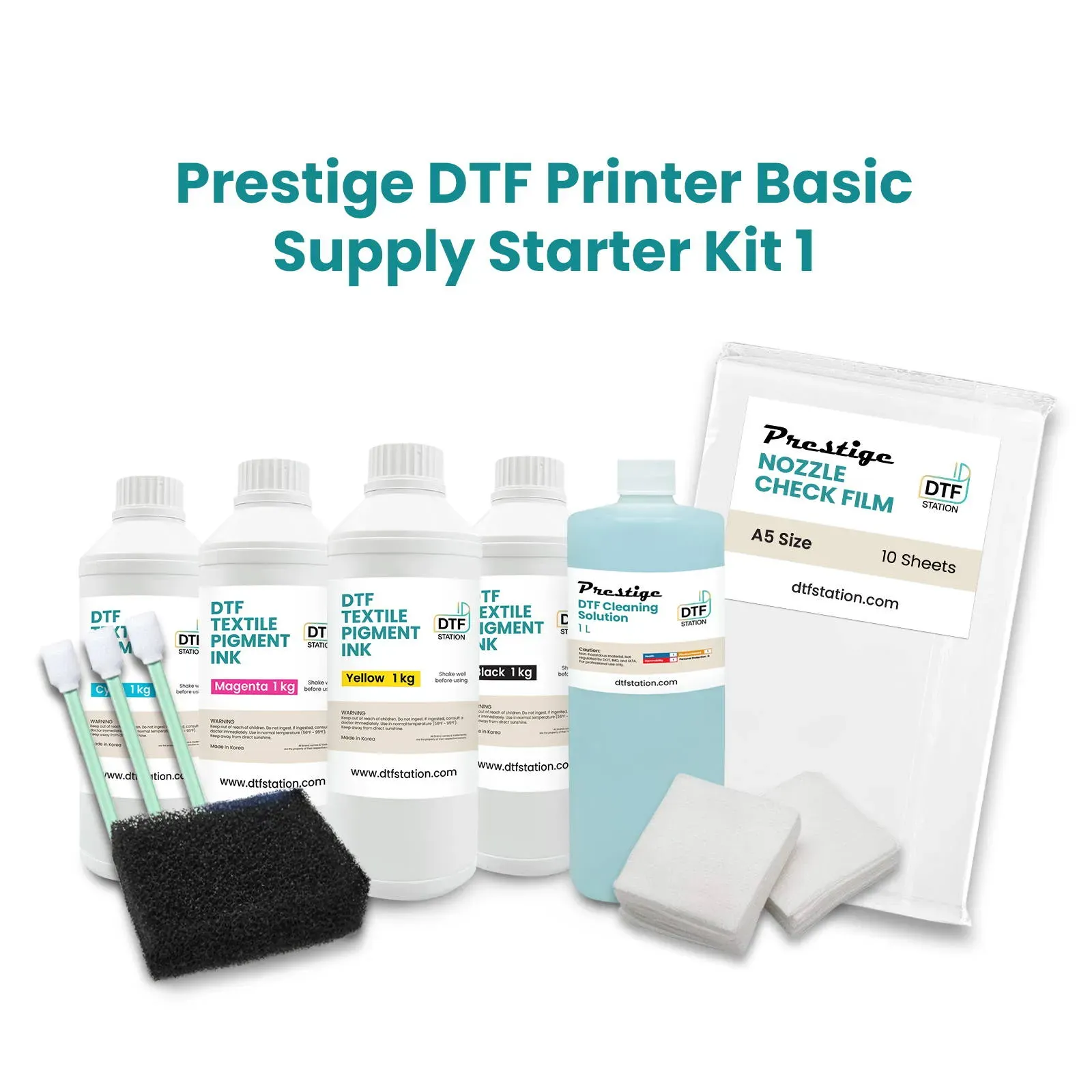
DTF Supplies are revolutionizing the way we approach textile printing, offering vibrant, high-quality designs with exceptional detail. As the Direct-to-Film (DTF) printing technology gains momentum, understanding how to choose the right DTF supplies is crucial for achieving flawless results. In this article, we'll explore the essential DTF printing materials, from the best DTF transfer films to the right DTF inks for printing. By ensuring compatibility and selecting top-notch DTF adhesive powder selections, you'll be on your way to creating stunning fabric prints that stand out. Let's dive into the essentials and unlock the potential of DTF printing.
Direct-to-Film printing, often abbreviated as DTF printing, has sparked interest among businesses and creatives alike, thanks to its capability to produce detailed and colorful textile prints. As this innovative technology becomes more widespread, knowing how to select the best materials—ranging from transfer films to specialty inks—proves essential for professional results. This post intends to guide you through the process of sourcing high-quality DTF materials, including insights on effective adhesive powders and compatible substrates. Understanding these components not only elevates your printing game but also enhances the durability and appeal of your final products. Join us as we delve into the world of DTF supplies and how they can transform your approach to custom apparel and fabric design.
Understanding DTF Transfer Films
DTF transfer films are the backbone of the Direct-to-Film printing process, serving as the medium onto which vibrant designs are printed before they are heat-transferred onto textiles. Selecting the right type of transfer film is crucial as it directly affects the quality of prints achieved and the overall durability of the finished product. High-quality films tend to have smooth surfaces that provide excellent ink adhesion and transfer, ensuring that fine details and colors remain vibrant even after washing. When selecting transfer films, opts for those specifically formulated for DTF applications to guarantee the best possible results.
Another key aspect to consider when choosing DTF transfer films is their compatibility with the adhesive powders and inks used in the printing process. Not all films are created equal; some may yield better results with specific types of adhesive powders than others. Therefore, it’s essential to experiment with various films to discover which combinations offer the best adhesion and visual impact based on the substrates being printed on. Properly matched films and powders can significantly enhance the quality of your designs, providing long-lasting prints that resist peeling or cracking.
Choosing the Best DTF Adhesive Powders
DTF adhesive powders play a vital role in bonding printed images to fabrics during the transfer process. The selection of the right adhesive powder can drastically influence the final product's quality, as different powders offer varying levels of adhesion, flexibility, and durability. Most successful DTF printing operations use powders that are specifically formulated for transferring designs from films to textiles, ensuring optimal performance. It is often advisable to test different powder types to see how they interact with the selected transfer films and inks in order to achieve the best possible adhesion and washability.
In addition to testing different types of adhesive powders, users should also consider factors such as application methods and curing times. Some powders require specific heat settings for proper activation during the transfer process, which means that using the wrong temperature can lead to subpar results. Additionally, the way adhesive powder is applied can also make a difference; for example, using a thicker layer might improve adhesion but can also affect the feel and comfort of the final product. Understanding these nuances can help you make informed decisions for your DTF printing projects.
Exploring DTF Inks for Vibrant Colors
Selecting the right inks is crucial in achieving vibrant, high-quality prints in DTF printing. DTF inks are generally water-based and designed for compatibility with both transfer films and adhesive powders. Using high-quality inks ensures that colors are bright and true-to-life while also being flexible enough to withstand the wash cycles without fading or deteriorating. As with other DTF supplies, it's important to research which inks work best with the chosen transfer films and powders to prevent any compatibility issues that could compromise print quality.
Moreover, you should consider the specific requirements of the fabrics being printed on, as different substrates may require specific types of inks to achieve desired results. For instance, some inks may adhere better to cotton than to synthetic blends or vice-versa. Experimenting with various ink brands and types can lead to an optimized workflow, allowing you to create stunning designs with rich colors and lasting vibrancy. Some suppliers are also starting to offer eco-friendly inks that not only meet sustainability goals but also deliver quality performance.
Finding Quality DTF Supplies from Reputable Suppliers
To achieve optimal results in DTF printing, sourcing materials from reputable suppliers is essential. High-quality supplies directly correlate with the final product quality, making it crucial to do your homework before investing in DTF printing materials. Look for suppliers that specialize in DTF products, as they tend to provide better consistency, support, and accessibility to high-standard materials compared to general craft stores. Reviews and testimonials can also provide valuable insight into a supplier's reliability and the performance of their products.
Networking within the DTF community can also help point you toward trustworthy suppliers. Many users share their experiences regarding which brands offer the best adhesive powders, inks, and films. Participating in industry forums or social media groups allows you to learn from others who have navigated similar challenges. By sourcing your DTF supplies from reputable suppliers, you not only assure quality in your prints but also enhance your credibility within the industry.
Testing Different DTF Material Combinations
When pursuing excellence in DTF printing, testing various material combinations is highly recommended. Each element, from the transfer film to the adhesive powder and the inks, can interact differently based on the intended substrate. Trials can reveal which combinations produce the best adhesion, color vibrancy, and durability, allowing you to tailor your choices to specific projects. Many experienced DTF practitioners swear by maintaining a journal of tests conducted, making it easier to track what works best under which conditions.
The iterative process inherent in testing different combinations can also lead to breakthroughs in establishing unique printing methods that suit your artistic vision. It may be worthwhile to allocate time for experiments to discover the ideal settings for temperature, time, and pressure during the heat transfer process, all of which can influence the bond between printed materials and substrates. Embrace the exploratory aspect of DTF; this hands-on approach promotes both skill development and innovative outputs.
Staying Informed About DTF Industry Trends
The DTF printing industry is ever-evolving, with advancements that can redefine your approach to materials and techniques. Keeping yourself informed about the latest trends not only enhances your practices but also positions you competitively within the market. Subscribing to industry newsletters, attending webinars, and participating in workshops can provide insights into new materials, eco-friendly certifications, and improved printing techniques that can elevate your business.
Networking with other professionals through online communities can further aid in staying updated on industry shifts and suppliers’ developments. Discussions about product performance and innovative approaches can enrich your understanding of the current landscape of DTF printing, providing you with the knowledge needed to adapt to changes effectively. By being proactive and engaged in ongoing education, you can stay ahead of the curve in an ever-changing and exciting field.
Frequently Asked Questions
What are the essential materials I need for DTF printing supplies?
For effective DTF printing, you will need key materials including DTF transfer films, adhesive powders, and high-quality DTF inks. Each component plays a vital role in ensuring vibrant, detailed prints that adhere well to your chosen fabrics.
How do I choose the best DTF transfer films for my projects?
When selecting DTF transfer films, look for those specifically designed for DTF applications. Opt for films with smooth surfaces to enhance ink transfer and ensure good adhesion. It's crucial to read product reviews and information to find reliable options.
What factors should I consider when selecting DTF adhesive powders?
Choosing DTF adhesive powders involves considering their formulation and compatibility with your transfer film and inks. Different powders can yield varying results, so testing a few to find one that works best for your fabric type is advisable.
What are the best DTF inks for printing high-quality images?
The best DTF inks are typically water-based and flexible, designed to work seamlessly with DTF transfer films and adhesive powders. Look for high-quality brands that have positive reviews regarding vibrancy and durability.
Is it important to test different DTF supplies combinations?
Yes, testing different combinations of DTF supplies, including films, powders, and inks, is crucial. This experimentation helps identify the optimal materials for various fabric types and design complexities, ensuring the best quality prints.
How can I stay updated on the latest trends in DTF printing materials?
To stay informed about the latest DTF printing materials, consider participating in workshops and online courses. Joining DTF communities and forums can also provide insights into new techniques, products, and eco-friendly options in the industry.
| Key Point | Description |
|---|---|
| What is DTF Printing? | DTF printing involves printing graphics on a specialized film, which is then applied to textiles using heat and pressure, allowing for intricate and colorful designs. |
| Key Materials | Main materials for DTF printing include DTF transfer film, adhesive powder, inks, and compatible substrates like cotton and polyester. |
| Choosing Quality DTF Supplies | Source from reputable suppliers, ensure compatibility among materials, and test different combinations for optimal results. |
| Industry Insights | The DTF printing industry emphasizes sustainability, with eco-friendly materials becoming widely available. |
| Professional Recommendations | Engage in ongoing education through workshops and online courses to stay updated on techniques and materials. |
Summary
DTF Supplies are critical for achieving exceptional quality in direct-to-film printing. By selecting the right materials—including the transfer film, adhesive powder, inks, and compatible fabric substrates—users can produce vibrant, durable designs that stand out. Accessing high-quality DTF supplies from reputable sources and understanding the compatibility of these materials will help streamline your printing process and enhance the final product's visual impact. Moreover, with the industry's shift toward eco-friendly practices, opting for sustainable DTF supplies can not only help in reducing environmental impact but also elevate your business's brand image. As you explore the dynamic world of DTF printing, these insights and recommendations will guide you toward mastering the craft.