
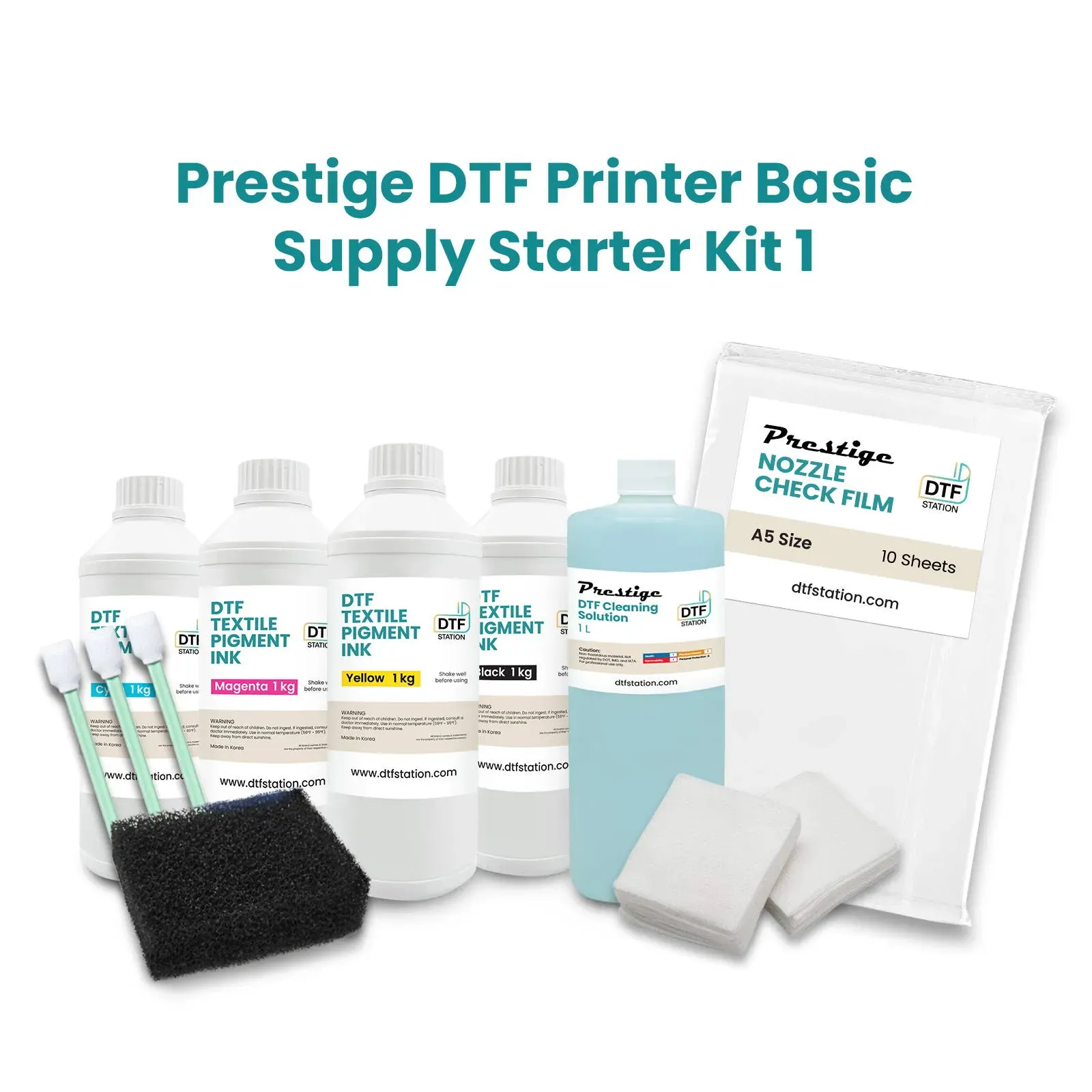
DTF supplies are at the forefront of a printing revolution, enabling businesses to harness the innovative capabilities of Direct-to-Film printing. This advanced printing technology is not just about applying ink to fabric; it’s a sophisticated process that produces striking, high-quality designs across a wide array of materials such as cotton and synthetic fabrics. As the demand for DTF supplies continues to grow, they are becoming a favored choice for both emerging startups and well-established companies looking to enhance their printing capabilities. This introductory exploration will delve into how DTF supplies are transforming the industry, showcasing their versatility, cost-effective benefits, and sustainable appeal. With a focus on DTF printing’s bright future, we will examine the significant advantages and possibilities it presents for modern manufacturers.
The realm of printing technology is evolving, and Direct-to-Film (DTF) supplies are leading the charge in this transformation. Often referred to as innovative heat transfer solutions, these materials facilitate a simpler, more efficient means of creating vibrant designs on various fabric types. By utilizing these advanced supplies, companies can enhance their printing processes and better meet diverse customer preferences. In this discussion, we will uncover how these essential components not only streamline operations but also support sustainable practices in the manufacturing sector. As demand for effective and high-quality printing methods rises, understanding the significance of these supplies becomes increasingly vital for businesses eager to stay competitive.
Understanding the Foundations of DTF Printing Technology
DTF printing, or Direct-to-Film printing, represents a significant leap forward in printing technology, merging convenience with high-quality output. At its core, DTF printing involves printing a design onto a specialized film using DTF inks, which can then be transferred onto various fabrics through heat and pressure. This method simplifies the printing process, eliminating the need for extensive setup compared to traditional methods like screen printing. Due to advancements in printing technology, DTF has become accessible to small businesses, allowing them to produce vibrant images swiftly and scale their operations without traditional constraints.
The foundation of DTF supplies includes the heat transfer films and the printing equipment tailored for high-quality output. These supplies are designed to work together seamlessly, ensuring that images produced are not only sharp but also possess a stunning vibrancy that pleases customers. By incorporating advanced ink formulations, DTF materials contribute to improved wash resistance and long-lasting durability, making it an ideal solution for apparel that requires frequent cleaning. As the demand for DTF printing grows, understanding the components that make this process unique is essential for businesses looking to elevate their offerings.
The Cost Advantages of DTF Supplies
One of the compelling reasons why businesses are gravitating towards DTF printing lies in its cost-effectiveness. The initial investment required for DTF supplies, including films, inks, and specific printers, is often significantly lower than that needed for Direct-to-Garment (DTG) printing systems. This affordability extends beyond equipment to include the consumable materials, allowing new entrants to the market to start printing without breaking the bank. Moreover, DTF's efficiency may lead to reduced labor costs, enabling operators to work on multiple jobs without extensive training or setup requirements.
Furthermore, the long-term cost efficiency of DTF printing cannot be overlooked. Once a business is set up with DTF supplies, the ongoing operational expenses are manageable. The ability to quickly print intricate designs on demand minimizes waste associated with over-production, a common issue in traditional printing methods. As small businesses leverage the cost advantages of DTF printing, they can invest their savings back into their growth or diversify their product offerings to include more high-margin items such as custom apparel and promotional goods.
Exploring the Market Growth Potential of DTF Supplies
The DTF printing market is on an upward trajectory due to an increasing number of small businesses and established brands recognizing the benefits of DTF supplies. As consumer demands for personalized and high-quality printed products rise, companies are adopting DTF technology to remain competitive. Reports suggest that the market for DTF supplies will continue to expand as businesses seek new ways to innovate and engage their customers through unique designs and products.
Moreover, the versatility of DTF printing allows for applications beyond traditional apparel, extending into promotional items, home decor, and merchandise. As new product lines emerge, businesses that invest in DTF supplies have the opportunity to capture a wider audience and tailor their offerings to meet diverse consumer needs. With analysts predicting further growth, now is the time for businesses to dive into DTF printing to take advantage of the evolving market landscape.
Sustainability in DTF Printing: A Growing Concern
As consumer awareness around sustainability grows, the printing industry is challenged to adopt more environmentally friendly practices. DTF printing is positioned as a potentially less resource-intensive alternative to traditional printing methods such as DTG and screen printing. This emerging printing technology primarily utilizes eco-friendlier inks and films that require fewer hazardous chemicals and significantly less water, making it an attractive choice for businesses looking to enhance their environmental stewardship.
Additionally, DTF supplies can contribute to more sustainable production cycles. Due to the precise nature of the DTF process, waste is minimized, which supports more efficient use of resources. Businesses employing DTF printing can showcase their commitment to sustainability while appealing to an environmentally conscious consumer base. With sustainability trends shaping consumer purchasing decisions, integrating DTF technology aligns well with modern corporate responsibility standards.
DTF Supplies: Quality and Durability Define Success
A core selling point of DTF printing is the superior image quality and durability of the prints produced. When utilizing high-quality DTF supplies, businesses can expect vibrant colors and intricate detail that satisfy customer expectations. This technology allows for a wide color gamut and precise printing capabilities, making it ideal for intricate designs, patterns, and artwork that are commonly requested in today’s market.
Durability is another advantage that sets DTF prints apart from those produced by traditional printing methods. DTF prints resist fading, cracking, and peeling, ensuring that the designs maintain their appearance even after multiple washes. Companies that prioritize quality in their offerings can build strong customer loyalty, as the reliability of DTF prints fosters trust and encourages repeat business. By emphasizing the robustness of DTF technology, businesses position themselves as leaders in providing high-quality printing solutions.
The Future of DTF Printing: Embracing Innovation
The future of the DTF printing industry is promising, with continuous innovations and advancements in printing technology paving the way for enhanced productivity and quality. As manufacturers refine DTF supplies, including inks and printing systems, the potential for improved image quality and operational efficiencies increases. This progression not only supports current business demands but also anticipates future needs as the printing landscape evolves.
Moreover, with an influx of new players entering the DTF market, competition is likely to drive further innovations, leading to even more versatile and cost-effective supplies for businesses. Responding to consumer trends and preferences will be crucial as companies leverage DTF technology to offer unique customized products. By embracing innovation, the DTF printing sector stands poised for significant advances that will reshape how businesses approach printing, bolstering growth and sustainability.
Frequently Asked Questions
What are DTF supplies and why are they important in DTF printing?
DTF supplies include materials like heat transfer films, specialty inks, and adhesives necessary for Direct-to-Film (DTF) printing. They are essential because they simplify the printing process, allowing for vibrant, high-quality designs to be transferred onto various fabrics efficiently and economically.
How does DTF printing differ from other printing technologies?
DTF printing stands out from other technologies like Direct-to-Garment (DTG) and screen printing by offering a simpler process, reduced material costs, and the ability to print on a wider range of fabrics. This versatility and ease of use make DTF supplies a popular choice among businesses.
Are DTF supplies cost-effective for small businesses?
Yes, DTF supplies are particularly cost-effective for small businesses as the materials, including inks and transfer films, are generally cheaper than those for DTG printing. Additionally, the lower equipment costs associated with DTF printing further enhance its financial appeal.
What kind of image quality can I expect from DTF printing?
DTF printing is renowned for its high image quality, producing vibrant colors and intricate designs that are durable and wash-resistant. The advances in DTF technology continue to refine the quality of prints, making it an attractive option for those seeking exceptional results.
How sustainable are DTF supplies compared to other printing methods?
DTF supplies potentially have a lower environmental impact compared to traditional screen printing and DTG methods. Studies indicate that DTF printing typically uses less water and fewer hazardous chemicals, making it a more sustainable choice for eco-conscious businesses.
What is the future growth potential for DTF supplies in the printing market?
The market for DTF supplies is expected to grow significantly as more businesses adopt this innovative technology. With increasing demand for promotional items, apparel, and direct-to-consumer products, DTF printing is poised for robust market expansion in the upcoming years.
| Key Points | Description |
|---|---|
| Enhanced Versatility | DTF printing can work on various materials, including cotton, polyester, and nylon, making it suitable for diverse customer needs and expanding product offerings. |
| Simplified Process | The DTF printing process involves fewer steps compared to traditional methods, leading to a quicker turnaround time for small businesses. |
| Cost-Effectiveness | DTF supplies are generally cheaper than DTG supplies, enabling lower upfront costs and long-term savings for startups and established businesses alike. |
| Image Quality and Durability | DTF printing produces vibrant colors and sharp details, offering excellent wash resistance and durability compared to traditional methods. |
| Environmental Impact | DTF printing is believed to consume less water and fewer hazardous chemicals than other printing methods, making it a more eco-friendly option. |
| Market Growth | The DTF supplies market is expected to grow substantially as more businesses adopt this technology, broadening applications in various sectors. |
Summary
DTF supplies are revolutionizing the way we print by providing a versatile and efficient solution suited for a variety of materials. As the printing industry evolves, businesses of all sizes are harnessing the power of Direct-to-Film technology to produce high-quality prints quickly and cost-effectively. The low setup costs and potential for significant savings have made DTF supplies an attractive option for startups and established companies alike. With the growing focus on sustainable practices, DTF printing also presents an eco-friendlier alternative to traditional methods. As the market for DTF supplies continues to expand, it's clear that this innovative printing technique will play a crucial role in shaping the future of the textile industry.