
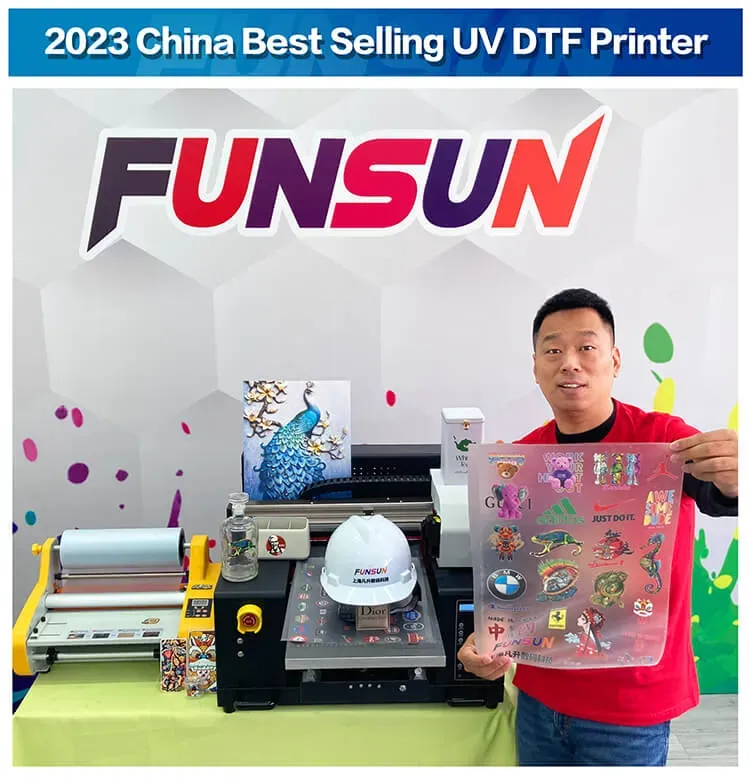
UV DTF printing represents a revolutionary advancement in printing technology, fusing the efficacy of UV printing with the flexibility of direct-to-film processes. Unlike traditional printing methods that can be constrained by material compatibility and environmental concerns, UV DTF offers numerous advantages that cater to the growing demand for sustainable printing solutions. This innovative technique allows for vibrant, high-quality prints on a variety of substrates, providing an unparalleled versatility that countless businesses are eager to adopt. As industries increasingly prioritize eco-friendly practices, the shift toward UV DTF printing not only meets these needs but also enhances operational efficiency and reduce costs. By embracing UV DTF technology, companies are not just improving their product offerings, but also aligning with a more sustainable future.
Alternatively known as ultraviolet direct-to-film printing, UV DTF printing serves as a cutting-edge solution for modern printing challenges. This technology integrates ultraviolet curing with the direct-to-film methodology, offering a robust alternative to conventional printing systems. The versatility of ultraviolet DTF becomes a standout feature, as it allows for printing on an extensive array of materials, from textiles to metals. Moreover, businesses benefit from the sustainable nature of this process, which minimizes waste and environmental impact. With its combination of high-quality output and cost-effective production, UV DTF has quickly garnered attention as a key player in the evolution of printing technology.
Understanding UV DTF Printing Technology
UV DTF (Direct to Film) printing technology represents a significant advancement in the field of printing, primarily by utilizing ultraviolet light to cure inks onto films before transferring them onto various substrates. This unique process not only increases the range of materials that can be printed on, but it also enhances the quality of the print itself. Unlike traditional printing methods that often require additional drying time or solvents, UV DTF printing can produce vibrant and durable designs almost instantly. As a result, this technology is ideally suited for businesses looking to improve efficiency without compromising on quality.
The application versatility of UV DTF printing allows users to print on an extensive selection of materials, including textiles, metals, and plastics. This capability is a game-changer, especially for companies that demand diversity in their product offerings. With traditional printing methods, businesses often face limitations based on the type of substrate used, leading to higher costs and wasted materials. By adopting UV DTF technology, companies can streamline their production processes while catering to a broad customer base, thereby enhancing their competitive edge in an evolving market.
The Environmental Benefits of UV DTF Printing
One of the significant advantages of UV DTF printing is its marked contribution to environmental sustainability. Traditional printing methods often involve the use of large quantities of water and result in considerable waste, including excess inks and solvents. In contrast, UV DTF printing operates with minimal resource consumption, drastically reducing the environmental footprint of the printing process. By eliminating water use and optimizing ink application, businesses not only comply with stricter environmental regulations but also resonate with eco-conscious consumers.
Furthermore, the sustainable approach of UV DTF aligns perfectly with the growing demand for greener business practices. Companies adopting these technologies demonstrate a commitment to responsible operational strategies, appealing to a market increasingly aware of sustainability. As the industry explores ways to minimize waste and environmental impacts, UV DTF printing plays a crucial role in creating more sustainable printing solutions that contribute positively to both business profitability and planet well-being.
Exploring the Versatility of UV DTF Printing
The versatility of UV DTF printing stands out as one of its most appealing characteristics. This innovative technology can effectively be used on a wide range of materials beyond standard paper, including textiles, wood, glass, and even metal surfaces. This adaptability allows print providers to explore new market opportunities, offering customized solutions that were challenging to achieve with traditional printing methods. The flexibility of UV DTF opens a world of creative possibilities for businesses creating promotional items, fashion apparel, or personalized gifts.
Additionally, the range of colors and effects achievable through UV DTF printing enhances product personalization and branding efforts. Businesses can now create intricate designs that maintain high quality, regardless of the substrate, meeting consumers’ demands for customized products. This level of adaptability encourages innovation and creativity, vital components for businesses looking to stand out in a competitive market. Leveraging the versatility of UV DTF can thus be crucial for businesses striving to cater to diverse audience preferences.
Achieving High-Quality Print Results with UV DTF
Quality is paramount in the printing industry, and UV DTF printing is leading the charge with its ability to deliver high-resolution, vibrant prints. The use of UV light to cure the inks means that designs maintain their integrity with sharp details and rich colors, far surpassing the quality possible with many traditional printing methods. This capability makes UV DTF ideal for brands aiming for excellence and attention to detail, ensuring that products are not only visually appealing but also durable and long-lasting.
In today's market, customers expect high-quality results from their purchases, whether in apparel or promotional merchandise. The precision offered by UV DTF printing enables companies to fulfill these expectations and enhance customer satisfaction. By investing in this technology, businesses can create products that attract and retain customers, thus improving their overall brand reputation in a crowded marketplace.
Efficiency and Cost-Effectiveness in UV DTF Printing
Operational efficiency is vital for businesses in the competitive printing landscape, and UV DTF printing stands out for its quick turnaround times and reduced setup costs. Unlike traditional printing methods that may require lengthy processes for preparation and drying, UV DTF significantly cuts down on production time. This efficiency translates to meeting customer demands swiftly, which is crucial for businesses managing tight deadlines or large volume orders.
Moreover, while initial investments in UV DTF printing equipment may seem higher compared to traditional alternatives, the long-term savings are substantial. The reduction in waste, faster production times, and lower ink consumption directly contribute to cost-effectiveness. Companies that adopt UV DTF technology can expect significant reductions in operational costs over time, allowing them to reallocate resources toward growth initiatives and improve profit margins.
The Path Forward: Adoption and Innovation in UV DTF Printing
As the adoption of UV DTF printing technology accelerates, a myriad of innovative devices and solutions continues to enter the market. This trend is not limited to large corporations; small businesses and individual entrepreneurs are increasingly embracing UV DTF technology, spurred by advancements that enhance accessibility and ease of use. With devices like the UV Printer E1, even hobbyists can explore professional-grade quality in their printing projects.
The ongoing innovation in UV DTF printing resonates with the modern needs of businesses looking to evolve and adapt in a fast-paced market environment. Companies that leverage these advancements not only enhance their capabilities but also position themselves as forward-thinking industry leaders. With the continuous evolution of printing technology, UV DTF is set to provide even greater benefits, driving the next generation of sustainable and efficient printing solutions.
Frequently Asked Questions
What are the advantages of UV DTF printing over traditional printing methods?
UV DTF printing offers several advantages over traditional printing methods, including environmental sustainability by reducing waste, versatility in printing on various surfaces, high-quality prints with vibrant colors, efficiency in production with quicker turnaround times, and long-term cost-effectiveness due to reduced ink consumption and waste.
How does UV printing technology enhance the printing process?
UV printing technology enhances the printing process by using ultraviolet light to cure inks directly onto films and substrates, resulting in quicker drying times, improved adhesion, and the ability to print on diverse materials, which traditional printing methods often cannot achieve.
What makes the versatility of UV DTF printing beneficial for businesses?
The versatility of UV DTF printing is beneficial for businesses as it allows them to print on a wide range of surfaces, such as textiles, plastics, wood, and metals, enabling them to diversify their product offerings and meet various customer needs effectively.
Why is UV DTF printing considered a sustainable printing solution?
UV DTF printing is considered a sustainable printing solution because it reduces water usage, minimizes waste materials, and lowers chemical emissions compared to traditional printing methods, aligning with the growing demand for eco-friendly practices in the industry.
How does UV DTF printing compare in terms of quality with traditional printing methods?
UV DTF printing excels in quality by providing high-resolution prints with a wide color gamut and fine details, surpassing the quality achievable with many traditional printing methods, which enhances the visual appeal of printed products.
What are the cost implications of using UV DTF printing technology?
While UV DTF printing may have higher initial setup costs compared to traditional methods, its long-term savings, including reduced waste and faster production, make it a cost-effective investment for businesses looking to improve their profit margins.
| Key Aspect | Description |
|---|---|
| Environmental Sustainability | Minimizes waste and ink usage; eliminates water in the printing process. |
| Versatility in Printing Surfaces | Can print on textiles, plastics, wood, metals, and more, allowing for greater creativity. |
| High-Quality Prints | Provides high-resolution, vibrant prints with fine detail and impressive color range. |
| Efficiency in Production | Enables quicker turnaround times and lower setup costs, enhancing operational efficiency. |
| Cost-Effectiveness | Although initial costs may be higher, long-term savings on waste and production are significant. |
| Adoption and Innovation | The market is increasingly adopting DTF technology with new accessible devices for all businesses. |
Summary
UV DTF printing is transforming the printing industry with its incredible advantages. This innovative technology not only prioritizes environmental sustainability by reducing waste and eliminating water usage but also showcases remarkable versatility by enabling printing on a variety of surfaces. The high-quality prints it produces ensure businesses can offer vibrant, detailed designs that captivate customers. Furthermore, the efficient production capabilities of UV DTF printing lead to quick turnaround times and lower operational costs, presenting a financially viable option for businesses. As DTF technology gains traction with new innovative devices, it is set to redefine printing practices across the board, allowing even smaller enterprises to thrive.