
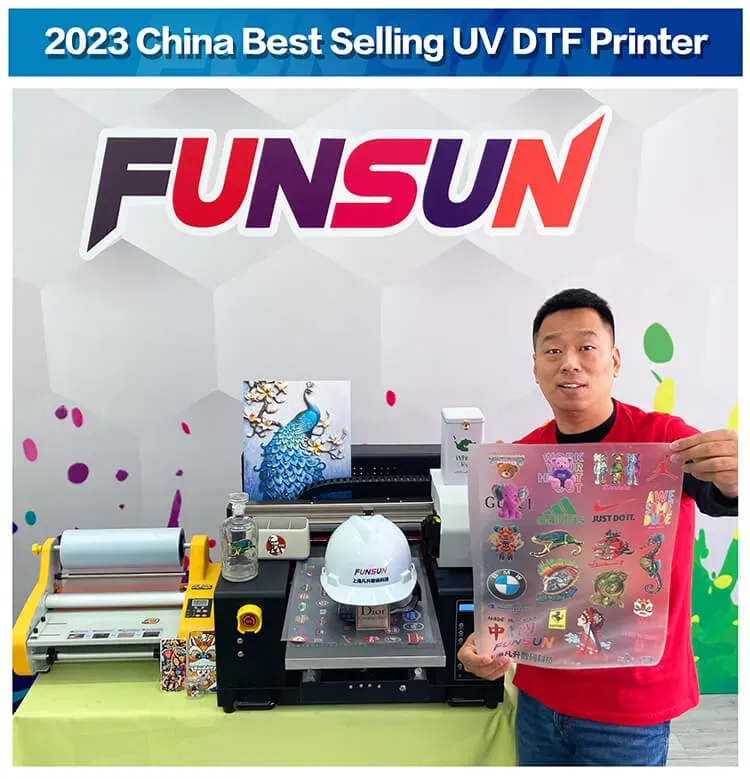
UV DTF printing has emerged as a game-changer in the ever-evolving landscape of printing technology. Combining the best features of traditional techniques with the innovation of digital printing, UV DTF (Direct to Film) offers unparalleled versatility and efficiency. Unlike traditional printing methods such as screen printing or offset printing, which can be cumbersome and time-consuming, UV DTF allows for quick turnarounds and high-quality outputs with minimal waste. This modern technique uses advanced UV-curable inks that adhere beautifully to a wide range of substrates, positioning it as a preferred choice for businesses seeking to meet diverse consumer demands. As we delve deeper into this unique printing method, we’ll explore how UV DTF compares to established practices, helping you pinpoint the right approach for your next project.
When considering innovative printing solutions, UV DTF (Direct to Film) often stands at the forefront, showcasing a fresh perspective on creative production. This contemporary printing technique leverages specialized inks that provide remarkable adherence to numerous materials, similar to modern digital printing yet distinct in its application. In stark contrast to older methods like screen and offset printing, which rely heavily on physical setups and limited substrates, UV DTF stands out for its quick operational efficiency and adaptability. By utilizing cutting-edge technology, UV DTF not only enhances print quality but also caters to rising demands for eco-friendly practices seen in today's marketplaces. As we explore the nuances of UV DTF and its advantages over traditional printing methods, it becomes clear that this approach offers a modern solution for diverse printing challenges.
Understanding UV DTF Printing Technology
UV DTF (Direct to Film) printing technology represents a game-changing approach in the world of printing. By utilizing UV-curable inks, this method ensures that designs remain vibrant and intact, whether they are printed on textiles, metals, or plastics. Unlike traditional printing methods like screen printing or offset printing, which often rely on water-based or solvent inks, UV DTF offers an efficient alternative that minimizes drying times and allows for immediate handling of prints. As such, businesses can utilize this technology to provide instant results for urgent client requests, meeting market demands swiftly.
Moreover, the versatility of UV DTF printing is paramount. It excels in a variety of applications, from custom apparel to promotional items, making it a go-to choice for companies wanting to diversify their product offerings. This adaptability allows for customization across numerous substrates, which is a significant advantage over traditional methods that may be limited to specific materials. As brands continually seek innovative solutions to stand out, UV DTF printing is increasingly gaining traction due to its high-quality output and integration of modern technology.
Advantages of UV DTF Compared to Traditional Methods
When evaluating the advantages of UV DTF over traditional methods like screen printing and offset printing, durability emerges as a key differentiator. UV DTF prints are remarkably resilient to elements like scratching, fading, and water exposure, making them ideal for outdoor applications where durability is critical. In contrast, while screen printing is known for its vibrant colors, the longevity of the printed design can sometimes be compromised when exposed to harsh environmental conditions. Therefore, for projects requiring lasting impressions, UV DTF provides a more reliable solution.
Additionally, the quick turnaround afforded by UV DTF printing is another advantage that cannot be overlooked. Traditional printing methods typically involve lengthy preparation times and extensive setup processes, especially in the case of screen printing, where separate screens are needed for each color. UV DTF simplifies this process, enabling faster production for both large and small batches. This shift toward efficiency can greatly benefit businesses that operate in fast-paced environments, allowing them to respond to customer demands without sacrificing quality.
The Eco-Friendly Edge of UV DTF Printing
As sustainability continues to influence industrial practices, UV DTF printing stands out as an eco-friendly option among traditional methods. The ink used in UV DTF technology is designed to reduce harmful emissions and is often formulated to be less toxic than the solvents used in conventional printing methods like offset or screen printing. Companies are increasingly conscious of their environmental impact, and by choosing UV DTF, they can align their printing operations with eco-friendly practices.
Furthermore, the waste produced during UV DTF printing is significantly lower than in traditional processes. Because it allows for on-demand printing, businesses can minimize excess material and resources, leading to a more sustainable operation overall. As the public consciousness grows around sustainability, embracing greener technologies like UV DTF not only reflects a brand’s commitment to the environment but also caters to a consumer base that increasingly values eco-conscious choices.
Applications of UV DTF Printing in Various Industries
UV DTF printing has found its niche in many industries due to its flexibility and high-quality output. In the fashion industry, for example, designers utilize this technology to produce intricate and vibrant graphics on garments, transforming everyday textiles into eye-catching fashion statements. Similarly, in the promotional goods sector, businesses can use UV DTF to create personalized items that resonate with their target audience, such as custom bags, hats, and mugs, ultimately enhancing brand visibility.
Additionally, non-traditional sectors are also benefitting from UV DTF's capabilities. For instance, the automotive and signage industries leverage UV DTF printing to create durable graphics that can withstand outdoor exposure. The ability to print directly onto various surfaces without compromising quality is an essential asset in these fields. As industries continue to explore new opportunities for high-quality custom prints, the demand for UV DTF will likely expand, reinforcing its position in the modern printing landscape.
Cost-Effectiveness of UV DTF Printing
Cost considerations play a significant role in selecting the right printing method, and UV DTF often proves to be a cost-effective solution compared to traditional methods like offset and screen printing. The reduced setup times and lower waste production not only save resources but also decrease labor costs associated with preparing multiple screens in screen printing. For businesses with smaller production runs, UV DTF offers the advantage of economical printing without the necessity for extensive upfront investment.
Additionally, the long-term savings associated with the durability of UV DTF printed products can further enhance its cost-effectiveness. Since UV DTF prints resist fading and damage better than many traditional prints, companies can anticipate fewer reprints and reduced costs over time. As businesses look to optimize their budgets and streamline their operations, UV DTF printing increasingly showcases itself as a financially savvy choice.
Choosing the Right Printing Method for Your Needs
When determining the best printing method for your specific project, understanding your requirements is crucial. Factors such as the type of material, desired print quality, production volume, and budget will influence your decision. For short runs or projects needing quick turnarounds, UV DTF printing offers significant advantages over traditional methods like offset printing, which is more suitable for high-volume projects. Similarly, when vibrant colors and intricate graphics are needed, UV DTF technology excels where screen printing might falter.
Conversely, traditional methods have their place in the market. If cost per unit is a concern and print volume is high, screen printing can still be an economically advantageous choice. Additionally, offset printing remains unmatched in its quality for bulk jobs, making it ideal for certain applications like magazines or brochures. Ultimately, careful assessment of your project requirements against the strengths of each printing method will guide you in making an informed choice that best suits your printing needs.
Frequently Asked Questions
What are the key advantages of UV DTF printing compared to traditional printing methods?
UV DTF printing boasts several advantages over traditional printing methods. It offers greater versatility, allowing for high-quality designs on various substrates, including textiles and plastics. Additionally, UV DTF prints are highly durable, resisting fading, scratching, and water damage, making them ideal for outdoor use. The method also ensures a quick turnaround for smaller production runs and promotes eco-friendliness with less waste and environmentally-friendly inks.
How does UV DTF printing compare with screen printing in terms of efficiency?
When comparing UV DTF printing to screen printing, UV DTF is often more efficient, especially for smaller jobs. While screen printing is cost-effective for large batches, it requires longer setup times and multiple screens for different colors. In contrast, UV DTF printing allows for quicker setups and immediate output without extensive preparation, making it a preferred option for businesses requiring faster service.
Is UV DTF printing suitable for outdoor applications compared to traditional methods?
Yes, UV DTF printing is particularly well-suited for outdoor applications due to its durability. The UV-curable inks used in this method provide excellent resistance to fading, scratching, and water damage, outperforming many traditional printing methods like screen and offset printing, which may not hold up as well under harsh environmental conditions.
What is the environmental impact of UV DTF printing compared to traditional printing technologies?
UV DTF printing tends to have a lower environmental impact compared to several traditional printing technologies. The use of UV inks, which are often more eco-friendly than solvent-based inks, reduces harmful emissions. Moreover, UV DTF produces less waste because it can print on demand, minimizing setup materials and excess inventory, aligning with sustainable business practices.
Can UV DTF printing deliver high-quality results like offset printing?
UV DTF printing can deliver high-quality results comparable to offset printing, especially in terms of color vibrancy and detail. While offset printing is renowned for its consistent quality in bulk jobs, UV DTF's advancements in printing technology allow for intricate designs and exceptional detail, making it a viable alternative for those seeking quality in smaller production runs.
What materials can be printed using UV DTF printing?
UV DTF printing is versatile and can print on a wide range of materials. This includes textiles, plastics, metals, wood, and more. Its ability to transfer high-quality designs onto different substrates distinguishes it from traditional printing methods such as screen printing, which may have more limited material compatibility.
| Key Points | UV DTF Printing | Traditional Printing Methods |
|---|---|---|
| Method Overview | UV DTF uses UV-curable inks on film for transfer onto substrates, offering high-quality, quick results. | Includes screen printing, offset printing, and digital printing. Each has unique features and best uses. |
| Advantages | Versatile across materials, durable, quick turnaround, eco-friendly options, and lower waste. | Cost-effective for large runs (screen printing), high-quality for bulk (offset), flexible for short runs (digital). |
| Disadvantages | Setup costs can be high for small batches, and requires print film transfer. | High setup costs for smaller jobs (offset), longer prep times (screen printing), and higher costs per print for bulk orders (digital). |
| Current Trends | Innovations like personal 3D-texturing printers are enhancing customization capabilities. | Traditional methods continue to evolve but may lag behind in versatility and eco-friendliness. |
Summary
UV DTF printing stands at the forefront of modern printing solutions, offering remarkable versatility and durability unmatched by many traditional printing methods. As businesses and individuals increasingly seek efficient and eco-friendly options, UV DTF printing emerges as a leader in providing high-quality prints on various substrates quickly and effectively. While traditional methods like screen, offset, and digital printing hold their ground for specific applications, the adaptability and rapid output of UV DTF significantly enhance its appeal. When selecting a printing method, consider the unique benefits of UV DTF printing to ensure you meet your project requirements effectively.