
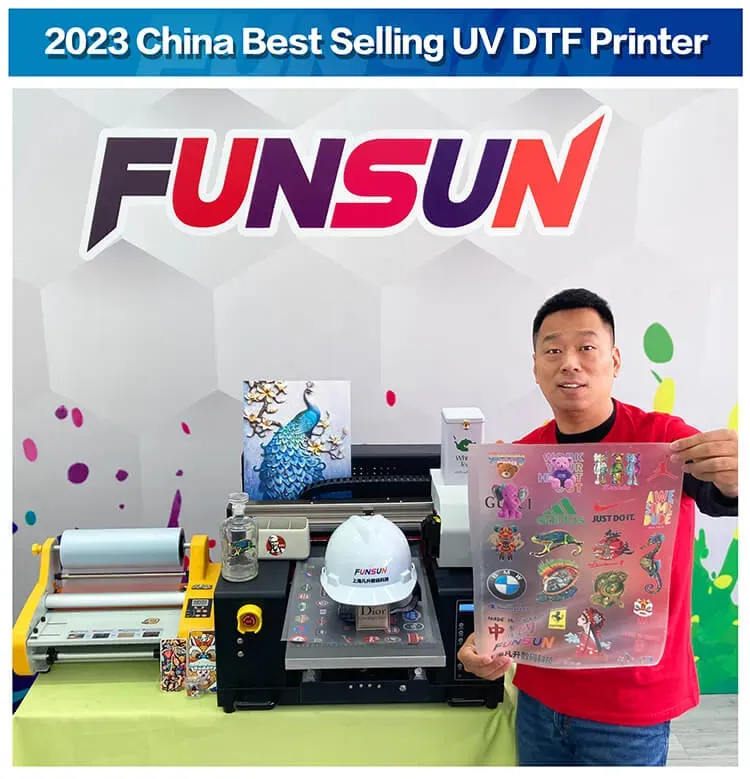
UV DTF printing, or Direct to Film printing, is rapidly redefining the landscape of textile production, bringing forth unprecedented levels of versatility and creativity. As we approach 2025, this innovative UV printing technology is not only appealing to commercial entities but also to creative makers who desire to bring unique designs to life on a variety of materials. The introduction of personal UV printers empowers individuals to easily produce vibrant, high-quality prints from the comfort of their homes, marking a significant shift in the textile printing trend. Moreover, the growing demand for bespoke items has fueled interest in UV DTF, highlighting its potential to cater to diverse consumer preferences. As the industry evolves, the integration of these advanced printing solutions is set to open new avenues for both hobbyists and professionals alike.
Known also as Direct to Film printing, UV DTF technology merges the benefits of traditional printing with modern advancements, providing a dynamic solution for both commercial and personal projects. This textile printing method harnesses the power of ultraviolet light to cure inks instantly, allowing for quick turnaround times and vibrant designs on various substrates. The surge in popularity surrounding this printing technique resonates with the emerging DIY culture of 2025, where creative makers are increasingly seeking innovative and personalized products. With the advent of compact, personal UV printers, individuals are empowered to explore new possibilities, transforming everyday items into custom, eye-catching creations. As more people embrace this technology, the future of textile printing looks more colorful and exciting than ever.
The Rise of UV DTF Printing in the Textile Industry
UV DTF (Direct to Film) printing is rapidly gaining traction in the textile industry as one of the most transformative innovations in recent years. This method leverages ultraviolet light to cure inks on films that can be transferred onto various substrates, resulting in striking designs and durable prints. With the textile printing trend projected to amplify in 2025, businesses and creators alike are tuning in to the advantages presented by this cutting-edge technology, seeking high-quality resolutions and color fidelity in their final products.
The impact of UV DTF printing extends beyond traditional textile manufacturing. Its applications are being adopted by a variety of sectors—including fashion, home decor, and promotional merchandise. As consumer preferences shift toward personalized and bespoke items, UV DTF printing offers a unique solution that meets these demands. The growing accessibility of this technology empowers creative makers and small businesses to enter the market with professional-level outputs, thereby revolutionizing the landscape of textile production.
Understanding the Mechanics of UV DTF Printing
The mechanics behind UV DTF printing involve a sophisticated process where UV light is used to instantly cure the ink on a film before it is transferred onto the desired material. This step is crucial as it ensures that the colors remain vibrant and true to their originals, irrespective of the surface they are printed upon. The ability to print on an assortment of substrates—from textiles to hard surfaces—highlights the adaptability of this printing technique, enabling creators to diversify their product offerings.
Moreover, the printing process guarantees high durability and washability, which are essential factors in the textile industry. As consumers become more environmentally conscious, the efficiency and reduced waste associated with UV DTF printing present a compelling case for its adoption. Additionally, the longevity of UV-cured designs means that the products created using this technology can withstand the tests of time, making it a favorite among both consumers and entrepreneurs.
The Mechanics of UV DTF Printing
The mechanics behind UV DTF printing involve a sophisticated process where UV light is used to instantly cure the ink on a film before it is transferred onto the desired material. This step is crucial as it ensures that the colors remain vibrant and true to their originals, irrespective of the surface they are printed upon. The ability to print on an assortment of substrates—from textiles to hard surfaces—highlights the adaptability of this printing technique, enabling creators to diversify their product offerings.
Moreover, the printing process guarantees high durability and washability, which are essential factors in the textile industry. As consumers become more environmentally conscious, the efficiency and reduced waste associated with UV DTF printing present a compelling case for its adoption. Additionally, the longevity of UV-cured designs means that the products created using this technology can withstand the tests of time, making it a favorite among both consumers and entrepreneurs.
How Personal UV Printers are Changing the Game
With the introduction of personal UV printers such as the UV Printer E1, the landscape of textile production is changing dramatically. These compact devices empower individual crafters and hobbyists to take control of their printing projects, paving the way for an unprecedented level of creativity right from their homes. By making technology accessible, personal UV printers offer an exciting opportunity for those passionate about creative making, allowing them to transform ideas into tangible products.
As competition in the market heightens, personal UV printers not only fulfill the needs of individual artists but also cater to small businesses looking to offer customized products. This democratization of printing technology aligns perfectly with the rising demand for unique, tailor-made items. By adopting UV DTF technology, these users can create high-quality prints that rival those produced using industrial-grade equipment, thus reshaping consumer expectations and enhancing the overall printing market.
Innovations in UV Printing Technology: The Future of DTF
As UV printing technology continues to evolve, several innovative developments have emerged, pushing the boundaries of what is possible with DTF printing. Companies like Mimaki are at the forefront of these advancements, unveiling new methods for creating intricate designs on varied shapes and surfaces. Their recent initiatives in the realm of stickers made entirely from ink and varnish are revolutionizing not only how products can be conceptualized but also how they are produced, allowing for high customization in designs.
In 2025, the anticipated enhancements in UV DTF printing technology will further solidify its role within the broader textile printing trend. With an increasing number of manufacturers investing in workflow efficiency and quick turnarounds, businesses engaged in DTF printing can manage larger orders while still delivering exceptional quality. The ongoing innovations signal a bright future for brands looking to harness the benefits of UV DTF, making it essential for them to stay ahead of the curve by embracing these cutting-edge solutions.
The Expanding Applications of UV DTF Printing
The applications for UV DTF printing technology are vast and continually expanding, revealing opportunities across various sectors. From garments and accessories to home decor and promotional products, the versatility of this printing method caters to modern consumer needs. Businesses now have the ability to produce custom designs on t-shirts, mugs, canvases, and more, enabling them to tap into personal expression trends and create items that resonate with their target audience.
As suppliers and manufacturers broaden their product portfolios, the demand for UV DTF technology will only increase. The ongoing evolution within this realm allows businesses to create a myriad of products that not only meet customer specifications but also push creative boundaries. In 2025, the market is expected to see a marked rise in customization, with UV DTF set to play an integral role in shaping the offerings available to consumers.
Conclusion: The Bright Future of UV DTF Printing
In summary, UV DTF printing is set to redefine the textile printing landscape by 2025 and beyond. With its innovative features and growing accessibility, this technology not only streamlines production processes but also inspires creativity among users of all skill levels. The ways in which individuals and businesses can now leverage personal UV printers and other advancements underscore the technology’s importance and versatility in the market.
As we look towards the future, the potential for UV DTF printing is immense. As more creators embrace this trend and explore the diverse applications available, we can anticipate a rich spectrum of products and designs. The ongoing partnership between technology, creativity, and consumer demand will ensure that UV DTF printing remains at the forefront of textile innovation, effectively bridging the gap between industrial capabilities and individual artistry.
Frequently Asked Questions
What is UV DTF printing, and how does it work?
UV DTF printing, or Direct to Film printing, is a modern technique that uses ultraviolet light to cure inks on films before transferring them onto various substrates. This method produces high-resolution, vibrant, and durable prints suitable for both personal and commercial projects.
What are the benefits of using personal UV printers for UV DTF printing?
Personal UV printers, like the UV Printer E1, empower creative makers to produce customized designs from home. They offer flexibility for small projects, allowing individuals to create unique items such as engraved products or personalized gifts, leveraging the capabilities of UV DTF printing technology.
How is UV DTF printing shaping the textile printing trend for 2025?
In 2025, UV DTF printing is set to dominate the textile printing trend by increasing accessibility through personal UV printers and facilitating bespoke items. The ability to produce high-quality prints quickly and efficiently supports the growing demand for personalized products, positioning UV DTF as a key player in the industry.
What types of products can be made using UV DTF technology?
UV DTF technology can be utilized to produce a wide range of products including T-shirts, home decor items, promotional merchandise, and custom gifts. Its versatility allows for high-quality prints on diverse surfaces, from fabrics to canvas and promotional items.
What advancements in UV DTF printing have been made by companies like Mimaki?
Mimaki has made significant advancements in UV DTF printing by developing new technology capable of creating stickers made entirely of ink and varnish. This innovation enhances the creativity and design possibilities in UV printing, allowing for applications on various shapes and surfaces.
Why is UV DTF printing considered a significant opportunity for creative makers?
UV DTF printing provides creative makers with the capability to explore unique designs and produce customized products efficiently. The rise of DIY culture and the availability of personal UV printers allow them to meet growing consumer demands for personalized goods and innovative creations.
| Key Development | Description |
|---|---|
| Introduction of Personal UV Printers | The launch of personal UV printers like the UV Printer E1 allowing hobbyists to create designs on various surfaces at home. |
| Potential for Creative Makers | Creative makers can produce customizable products such as stickers and engraved items, driven by consumer demand for personal goods. |
| Expansion in DTF Technology | Industry leaders like Eazydtf are increasing production capacity, underlining the rising demand for efficient DTF printing solutions. |
| New Developments by Mimaki | Mimaki has introduced advanced technology for creating ink and varnish stickers, enabling unique product designs. |
Summary
UV DTF printing is poised to redefine the textile printing landscape in 2025, marking a significant evolution in how designs are applied across different materials. This innovative printing technique employs ultraviolet light to cure inks on films, allowing for vivid, high-quality, and long-lasting prints. With the introduction of personal UV printers, creative makers can now easily produce customized products right from home, catering to the growing consumer desire for unique and personalized items. Furthermore, substantial investments in DTF technologies underscore the increasing demand and efficiency needed for large-scale orders, while advancements from companies like Mimaki enable the exploration of innovative design possibilities. Overall, UV DTF printing not only supports established businesses but also empowers individual creators, making it an exciting era for the future of textile printing.