
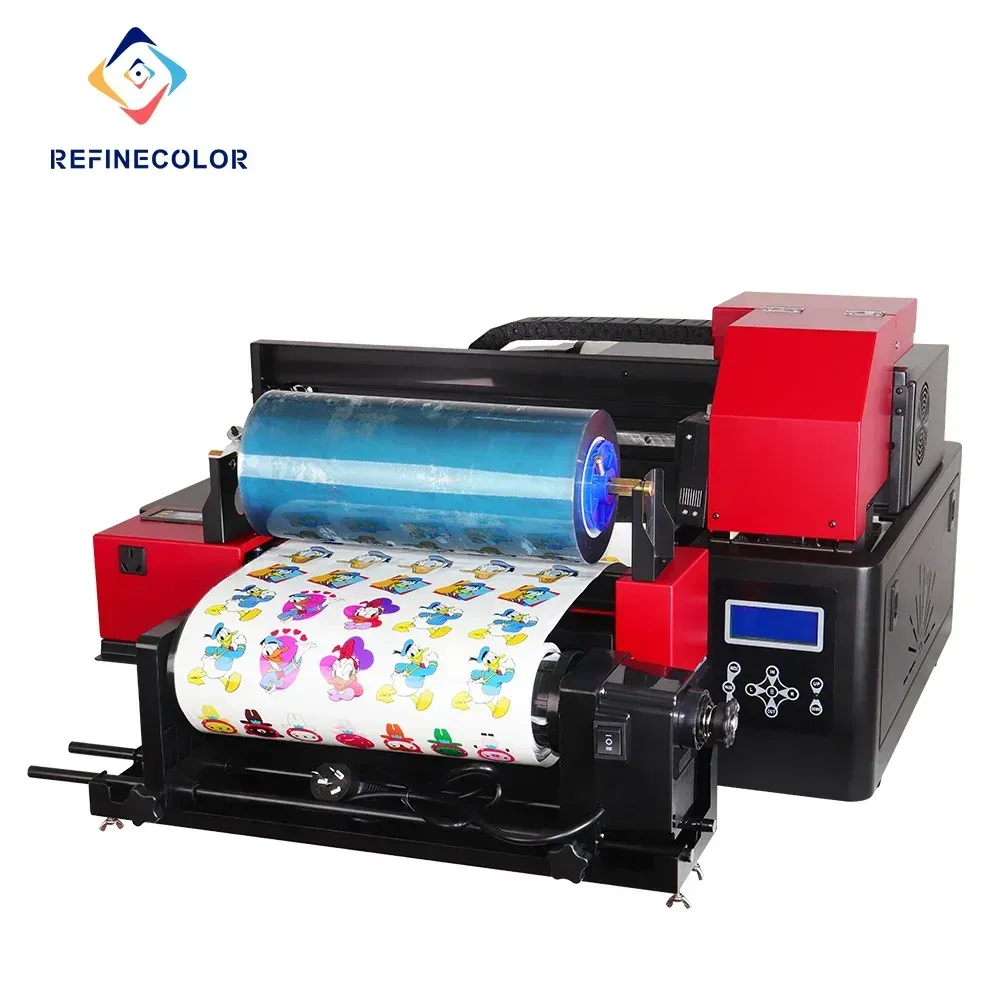
In today's dynamic printing landscape, **UV DTF** (Ultra Violet Direct-to-Film) technology stands out as a revolutionary option that combines speed and versatility. Unlike traditional printing methods such as **DTG (Direct-to-Garment)** and **sublimation printing**, UV DTF uses advanced ink technologies to produce vibrant, high-quality prints on a variety of substrates, making it ideal for both custom projects and high-volume productions. This innovative approach not only accelerates the printing process but also ensures impressive durability and detail in every design. As businesses increasingly seek reliable and efficient printing solutions, understanding the advantages of UV DTF becomes essential. Join us as we explore the compelling reasons behind UV DTF's rise in popularity within the printing comparison landscape.
When considering various forms of modern printing, terms like Direct-to-Film (DTF) and UV printing often emerge as viable solutions for creative applications. This discussion extends to **ink technologies** that enhance print quality while optimizing production efficiency. Many organizations leverage these innovative printing processes, leading to transformative outcomes in product customization and marketing. From textile printing to promotional materials, alternative printing methods such as sublimation and **DTG printing** each have their strengths and weaknesses, bringing vital insights as we navigate the intricate world of contemporary print solutions.
Understanding UV DTF Technology
UV DTF (Ultra Violet Direct-to-Film) printing is a groundbreaking technology that utilizes ultraviolet light to cure inks as they are printed onto a special film. This process allows for precise, vibrant designs that are ready for immediate application to a variety of substrates. UV DTF stands out for its versatility, as it can effectively print on diverse surfaces, including textiles, plastics, metals, and wood. Not only does this method offer a broad range of capabilities, but it also enables intricate artwork to be transferred without compromising on quality.
The ability to print at high resolutions with UV DTF makes it ideal for businesses looking to create customized products that showcase detailed graphics and colors. The real-time curing of inks means that prints are robust and ready to handle in a fraction of the time compared to other printing technologies. This instant curing feature not only enhances production speed but also contributes to lower costs associated with wasted materials. As more industries recognize these benefits, UV DTF is being embraced for creating everything from promotional merchandise to unique décor items.
The Benefits of UV DTF Printing
UV DTF printing offers several advantages that set it apart in the competitive landscape of printing technologies. One major benefit is its exceptional durability; prints produced via UV DTF are resistant to fading, scratching, and other environmental factors, ensuring that the final products retain their quality over time. This resilience makes UV DTF especially appealing for outdoor applications, where materials are more likely to face harsh conditions.
Moreover, the technology supports a wide array of materials, which provides businesses with an unprecedented level of creative freedom. Whether it’s for fashion, promotional items, or custom signage, UV DTF ensures that high-quality results can be achieved on surfaces that traditional methods struggle with. This versatility positions UV DTF as a highly adaptable choice for a multitude of industries, helping businesses to meet diverse customer demands.
Comparative Analysis: UV DTF vs. DTG Printing
When comparing UV DTF to Direct-to-Garment (DTG) printing, it's essential to examine their differing capabilities and ideal use cases. DTG printing is optimized for apparel, delivering high-resolution images directly onto fabric, particularly cotton. It excels with its water-based inks, which make it an eco-friendlier option. However, its limitations arise when attempting to print on hard surfaces or non-cotton fabrics where UV DTF shines due to its adaptable nature.
Conversely, while DTG printing may offer superior results on textiles, it lacks the speed and versatility found in UV DTF technologies. The slower production times associated with DTG can be a bottleneck for businesses with high-volume orders, while UV DTF's rapid curing process allows for quicker turnarounds without sacrificing quality. This makes UV DTF a preferred solution for businesses seeking efficiency and diverse material compatibility.
UV DTF vs. Sublimation Printing: A Clear Comparison
Sublimation printing is another popular choice for garment printing, particularly effective on polyester materials. The sublimation process involves dyeing the fabric, which results in vibrant colors and a soft finish that becomes part of the material itself. However, sublimation’s requirement for specific substrates limits its application to lighter-colored fabrics, thus narrowing the range of potential uses.
In contrast, UV DTF technology offers an incredible advantage of versatility, allowing for printing on various surfaces, regardless of color or material type. This flexibility makes UV DTF a game-changer for businesses that need to cater to various creative demands. Moreover, the durability of UV DTF prints ensures that they hold up well under conditions where sublimation prints might fade or wear out, making UV DTF a superior choice for longevity.
Environmental Considerations in UV DTF Printing
The printing industry is increasingly focusing on sustainability, and UV DTF printing is no exception. As businesses strive to minimize their environmental impact, the UV DTF process is evolving to implement eco-friendlier practices. This includes advancements in UV curing technologies that reduce energy consumption and waste, along with the development of environmentally safe inks that do not release harmful VOCs into the atmosphere.
By adopting UV DTF practices, companies can not only enhance their product offerings but also align with consumer preferences for greener solutions. The shift towards more sustainable printing technologies is essential for attracting environmentally conscious customers and meeting regulatory requirements, solidifying UV DTF's position as a responsible option for modern printing needs.
Future Trends in UV DTF Printing Technology
As we move through the 2023 landscape, UV DTF printing is poised for continued growth due to the increasing demand for customized solutions across various sectors. This future trend includes a rise in small businesses and startups embracing UV DTF as a cost-effective option for personalized merchandise, signage, and promotional products. The appeal lies not only in the quality of prints but also in the adaptability that UV DTF affords them.
Furthermore, advancements in ink technologies and print equipment will likely enhance the capabilities of UV DTF, allowing for even more intricate designs and enhancing color vibrancy. As innovation continues to shape the printing industry, staying ahead with UV DTF technology will be crucial for any business aiming to thrive in an ever-evolving marketplace.
Frequently Asked Questions
What is UV DTF printing and how does it work?
UV DTF (Ultra Violet Direct-to-Film) printing uses ultraviolet light to cure inks that are applied to a film, which is then transferred onto various substrates. This technology allows for vibrant prints and intricate designs, making it an excellent choice for many materials including textiles and hard surfaces.
How does UV DTF compare to DTG printing?
UV DTF vs. DTG printing reveals key differences: while DTG (Direct-to-Garment) excels in printing high-quality images directly onto cotton fabrics using water-based inks, UV DTF offers versatility as it can print on both rigid and flexible surfaces, making it more adaptable for diverse projects.
Is UV DTF printing more advantageous than sublimation printing?
Yes, UV DTF printing has advantages over sublimation printing as it can print on a broader range of materials, including dark fabrics and rigid substrates, while sublimation is limited to light-colored polyester and requires specific conditions for effective results.
What benefits does UV DTF provide over traditional UV printing?
UV DTF offers several benefits over traditional UV printing, including greater flexibility to print on various substrates beyond rigid surfaces, and it can produce high-resolution prints with vibrant color suitable for both soft and hard materials.
Are there specific challenges associated with UV DTF printing?
UV DTF printing does have challenges, such as the higher initial investment costs for equipment and inks compared to other printing technologies. Additionally, the rigidity of UV inks may lead to issues when printing on highly flexible materials.
What market trends are influencing the adoption of UV DTF printing?
The increasing demand for customized prints in sectors like fashion and promotional products is driving the adoption of UV DTF printing. As technology evolves, businesses seek flexibility and quality, leading to UV DTF's growing popularity in the market.
| Key Point | UV DTF | DTG Printing | Sublimation Printing | UV Printing |
|---|---|---|---|---|
| Definition | Uses UV light to cure inks on film before transfer. | Prints directly onto garments using water-based inks. | Transfers dye onto polyester fabrics and items. | Cures inks on rigid surfaces using UV light. |
| Advantages | Versatile for various materials and durable prints. | High-resolution images, eco-friendly inks. | Vivid colors and soft-feel prints on polyester. | Quick curing and extensive color options. |
| Disadvantages | High initial cost and ink flexibility issues. | Limited to textiles, slower production speed. | Works only on light-colored fabrics, requires specific substrates. | High equipment costs, issues on flexible substrates. |
| Market Trends | Growing demand for customization and quality. | Niche market for high-quality apparel. | Popular in sportswear and promotional products. | Established but costly market for rigid printing. |
Summary
UV DTF printing stands out as a modern solution in the world of printing technologies due to its unique capabilities and advantages. Known for its versatility, durability, and rapid production speed, UV DTF can cater to various materials, making it a favored choice for both businesses and creative projects. As the demand for customized prints continues to rise, understanding what UV DTF has to offer compared to other methods like DTG, sublimation, and traditional UV printing is essential. With its ability to produce vibrant, long-lasting prints on diverse substrates, UV DTF is not just keeping pace with industry trends but is also paving the way for future innovations in the printing landscape.