
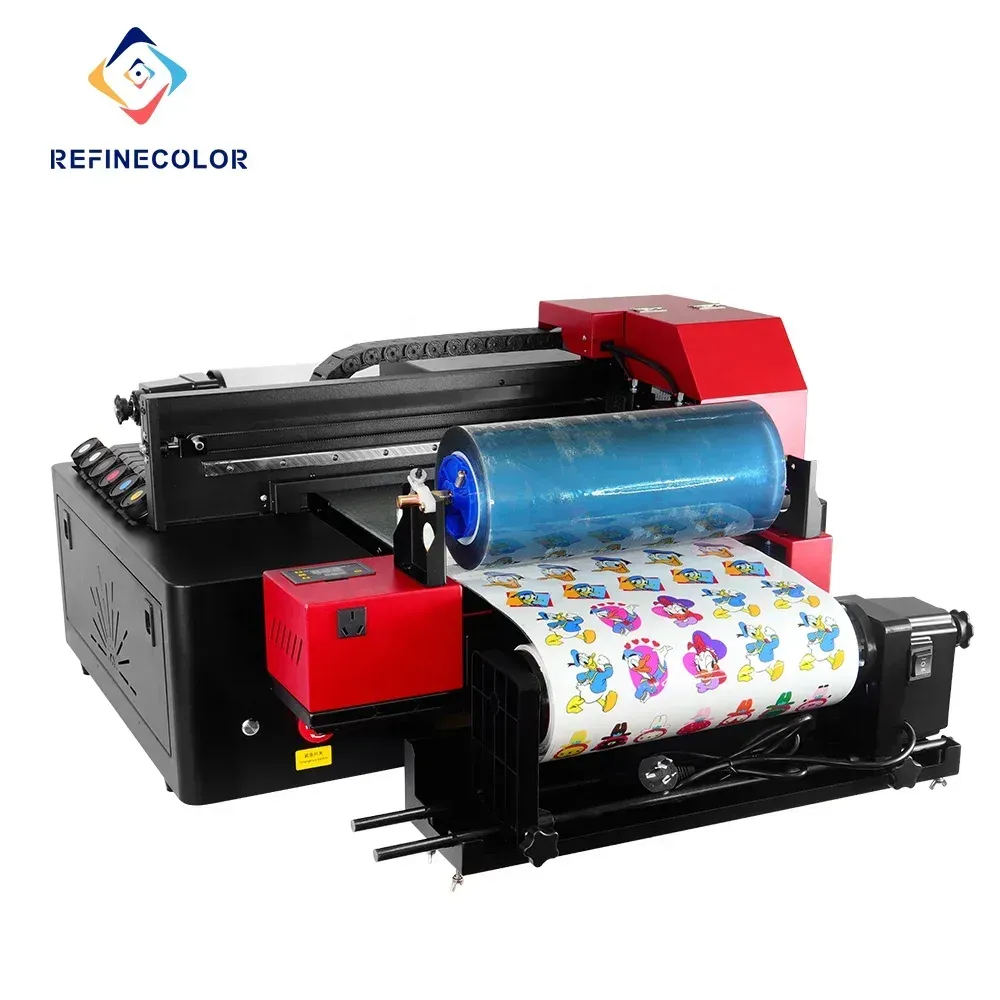
UV DTF printing is at the forefront of revolutionizing eco-friendly printing practices, representing a significant leap in sustainable printing technology. As the demand for environmentally considerate solutions grows within the printing industry, innovations like UV Direct to Film (DTF) are setting the standard. This unique printing method utilizes ultraviolet light to instantly cure inks, producing vibrant and durable prints without relying on harmful chemicals. By minimizing VOC emissions compared to traditional methods, UV DTF not only enhances print quality but also significantly reduces the environmental impact of printing. In this article, we will delve into the transformative effects of UV DTF on sustainable printing, highlighting its advantages and the challenges it faces as it gains momentum within the industry.
Exploring the landscape of sustainable printing technology reveals a remarkable alternative known as UV DTF or Direct to Film printing using ultraviolet light curing. This cutting-edge technique stands out in the printing industry by significantly minimizing the reliance on solvent-based inks that contribute to toxic emissions. By employing a solvent-free process, UV DTF emerges as an innovative solution that caters to the increasing consumer demand for eco-friendly and sustainable practices. Not only does it provide high-quality outputs, but it also aligns with the industry's broader goals of reducing environmental footprints and enhancing worker safety. In this overview, we will unpack the environmental advantages and market trends of this groundbreaking printing technology.
The Rise of Eco-Friendly Printing Innovations
In the quest for environmentally sustainable solutions, the printing industry has witnessed a surge in eco-friendly innovations. Companies are increasingly incorporating technologies that not only minimize environmental impact but also enhance operational efficiency. This trend has led to a broader acceptance of practices like digital printing, where advancements in ink formulations and machinery allow for less waste and higher energy efficiency. The focus on sustainable printing technology reflects a growing awareness of both consumer preferences and regulatory pressures to adopt greener operations.
Among the standout innovations is UV DTF printing, a method that exemplifies the shift towards eco-friendly printing. By leveraging ultraviolet light for curing inks, UV DTF eliminates harmful solvents prevalent in traditional printing processes. As a result, this technology not only produces vibrant and durable outputs but also reduces volatile organic compounds (VOCs), highlighting a significant step forward in maintaining a healthier ecosystem for both workers and consumers.
Understanding the Benefits of UV DTF Technology
UV DTF technology brings several benefits that align with the modern consumer's desire for high-quality, sustainable products. One of the primary advantages is its ability to print on various substrates without needing pre-treatment, making it exceptionally versatile. This characteristic allows designers and manufacturers to explore a myriad of creative applications across industries, from robust signage to fashion textiles. The technology's efficiency reduces waste, as materials can be printed on demand, leading to lesser inventory and production costs.
Moreover, UV DTF’s curing process significantly reduces the environmental impact of printing. Traditional methods often involve water-based inks that require excessive drying time, wasting energy and leading to longer production times. In contrast, UV DTF's instant curing not only speeds up the production process but also conserves energy, marking a substantial innovation in the quest for sustainable printing practices.
Environmental Impact and Sustainability Gains
The ecological benefits of UV DTF are substantial and contribute significantly to the overall sustainability goals of the printing industry. One of the most notable effects is the drastic reduction in VOC emissions. As air quality becomes an increasing concern in urban areas, the adoption of UV DTF can help mitigate pollution, contributing to a healthier atmosphere. This technology offers printing companies an avenue to promote their commitment to eco-friendliness by adopting techniques that reduce harmful air pollutants.
Another critical advantage is the safety aspect of UV DTF inks. The absence of toxic solvents in these inks means a safer working environment for employees, reducing health risks associated with prolonged exposure to harmful chemicals. This focus on worker safety aligns with broader sustainability practices within the industry and demonstrates a commitment to social responsibility.
Market Trends Fueling UV DTF Adoption
Increasing consumer awareness regarding environmental issues has significantly influenced market trends favoring UV DTF printing. As brands strive to build a reputation for sustainability, many are looking toward UV DTF as a means to enhance their eco-friendly initiatives. This technology not only aligns with consumers' values but also offers businesses a competitive edge in crowded marketplaces where traditional methods may fall short of current ecological expectations.
Trade shows and industry exhibitions have played a pivotal role in showcasing UV DTF's capabilities, attracting attention from businesses looking to innovate. Demonstrations of its efficiency and quality present a compelling case for transitioning to this cutting-edge technology, encouraging adoption among brands that want to present themselves as environmentally conscious. This ongoing trend reinforces the importance of sustainable printing solutions in meeting consumer demands.
Challenges in Transitioning to UV DTF Print
While UV DTF technology presents numerous advantages, transitioning to this innovative approach is not without its challenges. One of the primary barriers is the significant initial investment required for the equipment. Smaller printing companies, in particular, may find the costs prohibitive, leading to concerns about the return on investment. Thus, businesses need to weigh the upfront costs against the long-term savings from reduced materials wastage and operating efficiency.
Moreover, the need for specialized training and expertise adds another layer of complexity to the adoption process. Implementing new technology often requires personnel to learn new skills, which can result in temporary disruptions in production. However, investing in employee training can ultimately pay off as workers become proficient in operating UV DTF printers, streamlining the production process and fostering a culture of innovation.
The Future of Sustainable Printing Technology
As the printing industry continues to evolve, the trend towards sustainable practices is poised to grow. Innovations like UV DTF printing embody the shift towards eco-friendly technologies that not only appeal to consumers but also address environmental concerns. With an increasing emphasis on sustainability, companies that embrace these technologies are likely to gain a competitive advantage, positioning themselves as leaders in responsible business practices.
Looking ahead, the future of the printing industry will likely see more advancements that focus on reducing the ecological footprint of print production. As consumer demand for environmentally friendly products rises, manufacturers will feel compelled to invest in sustainable printing technologies like UV DTF, advancing their operations while contributing to societal efforts in tackling environmental issues.
Frequently Asked Questions
What are the environmental benefits of UV DTF printing?
UV DTF printing offers several environmental advantages, including significantly lower volatile organic compound (VOC) emissions compared to traditional printing methods. This reduction helps combat air pollution and creates a safer working environment for employees. Additionally, many UV DTF inks can be made from renewable resources, aligning with sustainable printing technology goals.
How does UV DTF compare to traditional printing methods in terms of sustainability?
UV DTF stands out in the printing industry innovations by utilizing solvent-free inks that cure instantly with UV light, thereby minimizing VOC emissions. Unlike traditional methods that often release harmful substances, UV DTF enhances eco-friendly printing practices and contributes to a reduced environmental impact, making it a superior choice for sustainable printing.
Why should companies consider adopting UV DTF technology for eco-friendly printing?
Companies should consider UV DTF technology as it not only improves their sustainability profile through lower emissions and safer working conditions but also meets the rising demand from environmentally-conscious consumers. By adopting UV DTF, businesses can emphasize their commitment to eco-friendly printing and gain a competitive advantage in the market.
What challenges might businesses face when transitioning to UV DTF printing?
Transitioning to UV DTF printing may present challenges such as the high initial investment cost for equipment and the need for specialized training for staff to operate the technology effectively. However, the long-term operational efficiencies and environmental benefits make it a potentially worthwhile investment for businesses focusing on sustainable practices.
How does UV DTF printing enhance worker safety in the printing industry?
UV DTF printing enhances worker safety by utilizing inks that are typically free of harmful solvents, which reduces health risks associated with exposure to volatile compounds. A safer work environment leads to improved employee well-being and productivity, aligning with the overall goals of sustainable printing technology.
Can UV DTF technology be utilized across various substrates?
Yes, UV DTF technology is highly versatile and can print on a wide range of substrates, including textiles and rigid materials, without requiring pretreatments. This flexibility allows for innovative applications in various sectors of the printing industry, making it a valuable asset for implementing eco-friendly printing practices.
| Key Point | Description |
|---|---|
| Introduction to UV DTF | A modern printing technology that uses UV light for curing ink, promoting eco-friendliness. |
| Lower VOC Emissions | Reduces harmful emissions that contribute to air pollution compared to traditional printing. |
| Safer Work Environment | Helps in maintaining a healthier workspace for employees by using safer inks. |
| Renewable Resource Utilization | Encourages the use of sustainable inks, fostering resource management. |
| Market Adoption | Increasingly adopted by eco-conscious brands due to consumer demand for sustainability. |
| Implementation Challenges | Includes high equipment costs and the need for employee training. |
Summary
UV DTF is revolutionizing the eco-friendly printing landscape by significantly reducing VOC emissions and enhancing workplace safety. This technology utilizes UV light to cure inks instantly, leading to a lower environmental impact than traditional printing methods. As the printing industry pivots towards sustainability, UV DTF stands out as a key player, not only improving the ecological footprint of printing companies but also meeting the demands of environmentally conscious consumers. Despite challenges such as high initial costs and the need for specialized training, the long-term advantages of adopting UV DTF are compelling. This innovative approach not only guarantees high-quality prints but also aligns with the growing push for sustainable practices in modern manufacturing.