
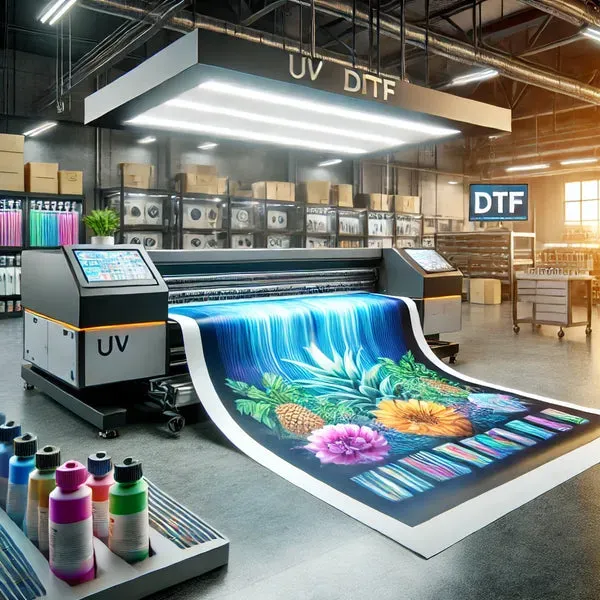
UV DTF technology is revolutionizing the printing landscape by combining the strengths of traditional direct to film printing with cutting-edge UV curing processes. This innovative method utilizes UV-sensitive inks that cure instantly when exposed to UV light, allowing for vibrant and durable prints on a wide array of substrates, from textiles to metals. As the demand for eco-friendly printing rises, UV DTF emerges as a sustainable alternative, generating significantly fewer volatile organic compounds compared to conventional methods. This combination of efficiency and environmental responsibility is driving notable growth in the printing market, enhancing capabilities in custom apparel printing and promotional goods. Businesses adopting UV DTF not only benefit from accelerated production timelines but also enjoy improved print durability, making it an attractive solution for various industries.
Delving deeper into the realm of advanced printing, one can explore the concept of UV Direct to Film technology. This robust methodology transforms how designs are transferred onto surfaces, offering unprecedented vibrancy and durability. Often touted for its eco-friendliness, this approach minimizes harmful emissions while enhancing production speed and efficiency. Current trends in the printing market reveal a significant shift toward techniques that cater to sustainability, further indicating the growing adoption of this innovative printing solution. With an eye on the future, custom apparel and promotional products increasingly leverage this technology, offering businesses a competitive edge.
Understanding UV Printing Technology: A Comprehensive Overview
UV printing technology is revolutionizing the way products are printed across various industries. This method employs ultraviolet light to cure inks as they are printed, creating vibrant images that bond well with diverse substrates. Unlike traditional printing methods that rely on air drying, UV printing provides immediate curing, allowing for more efficient production processes. Companies in fields such as signage, custom apparel, and packaging are increasingly adopting UV printing due to its ability to produce high-quality outputs rapidly.
The technology offers several advantages, including the ability to print on non-porous materials such as plastics and metals, which has expanded its application range. As businesses seek innovative ways to enhance brand visibility and product quality, UV printing technology stands as a key player in the evolving printing landscape. This rapid shift also reflects growing consumer demand for customized and unique products, further driving the adoption of UV methods.
The Rise of Direct to Film (DTF) Printing in Custom Apparel
Direct to Film (DTF) printing is transforming the custom apparel industry by offering a flexible and efficient approach to garment decoration. This method involves printing designs onto a special film that is then transferred onto the fabric, providing excellent color reproduction and durability. The DTF process allows for intricate designs to be applied on various fabric types without compromising the quality, which is highly regarded in the fashion and promotional gifts sectors.
The growing trend of personalized and on-demand printing has led to a significant increase in the popularity of DTF technology. Companies are now able to provide quick turnaround times and accommodate diverse customer needs without the constraints posed by traditional methods such as screen printing. Furthermore, as demand for custom apparel continues to rise, DTF printing is well-positioned as a profitable solution for businesses looking to capitalize on this market growth.
Eco-Friendly Printing Solutions: The Benefits of UV DTF Technology
One of the standout features of UV DTF technology is its eco-friendliness. By utilizing UV-curable inks that emit low levels of volatile organic compounds (VOCs), UV DTF is a cleaner alternative to solvent-based printing methods. As businesses become more environmentally conscious, adopting UV DTF technology not only benefits operations but also aligns with consumer preferences for sustainable products. The reduction of harmful emissions positions UV DTF as a responsible choice in the printing market.
Moreover, many consumers are actively seeking brands that prioritize sustainability. Implementing eco-friendly printing solutions can enhance a company's reputation and attract a wider customer base. This aspect is particularly crucial in industries like fashion and promotional products, where consumers are increasingly aware of ecological issues and support brands that reflect their values. Therefore, embracing UV DTF technology can lead to both operational and marketing advantages.
Technological Innovations Driving UV DTF Market Growth
The continual advancement in UV DTF technology is contributing to its rapid market growth. Companies like Epson and Mimaki are pioneering the development of printers with enhanced resolution capabilities, facilitating higher quality outputs and faster production times. These innovations empower businesses to fulfill large orders efficiently while maintaining the color integrity and detail that customers demand. As a result, the accessibility and popularity of UV DTF technology have surged among various sectors, including retail and advertising.
Beyond the printers, significant improvements in ink formulations are also enhancing the versatility of UV DTF applications. This enables compatibility with a broader range of materials, encouraging creativity among designers and manufacturers. The ability to print on substrates ranging from textiles to plastics offers unprecedented customization possibilities, making UV DTF a valuable tool in various promotional contexts—especially for brands that thrive on unique product offerings.
Navigating the Challenges in Adopting UV DTF Technology
While UV DTF technology presents numerous benefits, potential challenges exist for businesses considering its adoption. The initial investment required for UV DTF printers and materials can be higher compared to traditional printing methods, which may deter smaller companies from making such a financial commitment. It is essential for businesses to conduct a thorough cost-benefit analysis to determine if the long-term advantages outweigh the initial costs.
Furthermore, to maximize the effectiveness of UV DTF, skilled operators are necessary to ensure high-quality outputs and proper maintenance of the equipment. Employers should invest in training programs to enhance their staff’s capabilities in operating these advanced machines. Addressing these challenges is crucial for a successful transition, as the right knowledge and skills significantly impact the quality and efficiency of the DTF printing process.
Future Prospects of UV DTF Technology in the Printing Industry
The future of UV DTF technology looks promising, with a trend towards integrating sustainable practices. As the printing industry faces increasing pressure to address environmental concerns, UV DTF’s eco-friendly attributes place it at the forefront of this transition. Ongoing research efforts are focused on developing sustainable inks and substrates, ensuring that UV DTF can meet the ecological demands of the modern market.
Moreover, advancements in automation and user-friendly software solutions are set to further enhance the operational efficiency of UV DTF printers. By streamlining the printing process and reducing operational complexities, these innovations will make UV DTF more accessible to small and medium-sized enterprises. As technology continues to evolve, the UV DTF market is likely to expand, providing businesses with more opportunities to innovate and grow in the competitive printing landscape.
Frequently Asked Questions
What advantages does UV DTF Technology offer compared to traditional DTF printing?
UV DTF technology combines the efficiency of traditional DTF printing with unique UV curing processes, resulting in faster production times and enhanced durability of prints. Unlike traditional methods, UV DTF allows printing directly on various substrates without transfer paper, reducing ink wastage and improving vibrancy.
How is UV DTF Technology contributing to eco-friendly printing practices?
UV DTF technology promotes eco-friendly printing by using UV inks that produce fewer volatile organic compounds (VOCs) compared to solvent-based inks. This eco-conscious approach in UV printing technology not only benefits the environment but also results in safer working conditions for printers and healthier products for consumers.
What is driving the growth of the UV DTF printer market?
The UV DTF printer market is rapidly growing due to technological advancements, increased applications across various sectors, and heightened demand for eco-friendly printing solutions. Predictions indicate that the UV printing market could reach several billion dollars by 2028, showcasing robust market growth.
What are the key technological advancements in UV DTF Printing?
Recent technological advancements in UV DTF printing include the release of high-resolution printers by leading manufacturers, improved drying times, and innovative ink formulations that expand compatibility with diverse materials, enhancing the creative potential for designers and businesses alike.
Can UV DTF Technology be used for custom apparel printing?
Yes, UV DTF technology is ideal for custom apparel printing. Its ability to produce durable, vibrantly colored prints on various fabric types without using transfer paper makes it an excellent choice for businesses looking to offer unique and high-quality apparel designs.
What challenges should businesses consider when adopting UV DTF Technology?
While UV DTF technology offers many benefits, potential challenges include the high initial investment costs for equipment and materials, as well as the need for skilled operators to maintain printing quality. Businesses should also factor in employee training and support in their transition to ensure a successful implementation.
| Key Points | Details |
|---|---|
| What is UV DTF Technology? | A printing method combining DTF printing with UV curing, producing vibrant prints on various substrates with quick curing times. |
| Market Growth and Adoption | The UV DTF printer market is rapidly expanding, projected to grow significantly due to eco-friendly attributes and high demand across industries. |
| Technological Advancements | Improvements in printer models and ink formulations are enhancing the performance, efficiency, and versatility of UV DTF technology. |
| Benefits Over Traditional Methods | Benefits include reduced ink wastage, direct printing on dark fabrics, improved color accuracy, and versatility in printing on various surfaces. |
| Challenges and Considerations | Initial high investment costs and the need for skilled operators can pose challenges for businesses adopting this technology. |
| Future Prospects | The future looks promising with ongoing research into sustainable solutions and the potential for user-friendly software and automation in UV DTF printing. |
Summary
UV DTF technology is revolutionizing the printing landscape by seamlessly blending speed, durability, and versatility. This innovative approach to printing utilizes UV-sensitive inks that cure instantly upon exposure to UV light, allowing for exceptional quality prints on a wide range of materials. As the market for UV DTF continues to expand, driven by eco-friendly practices and technological enhancements, businesses can take confident strides towards harnessing its advantages. The demand for high-quality, vibrant prints coupled with reduced environmental impact positions UV DTF technology as a frontrunner in the future of printing, promising exciting opportunities for growth and innovation.