
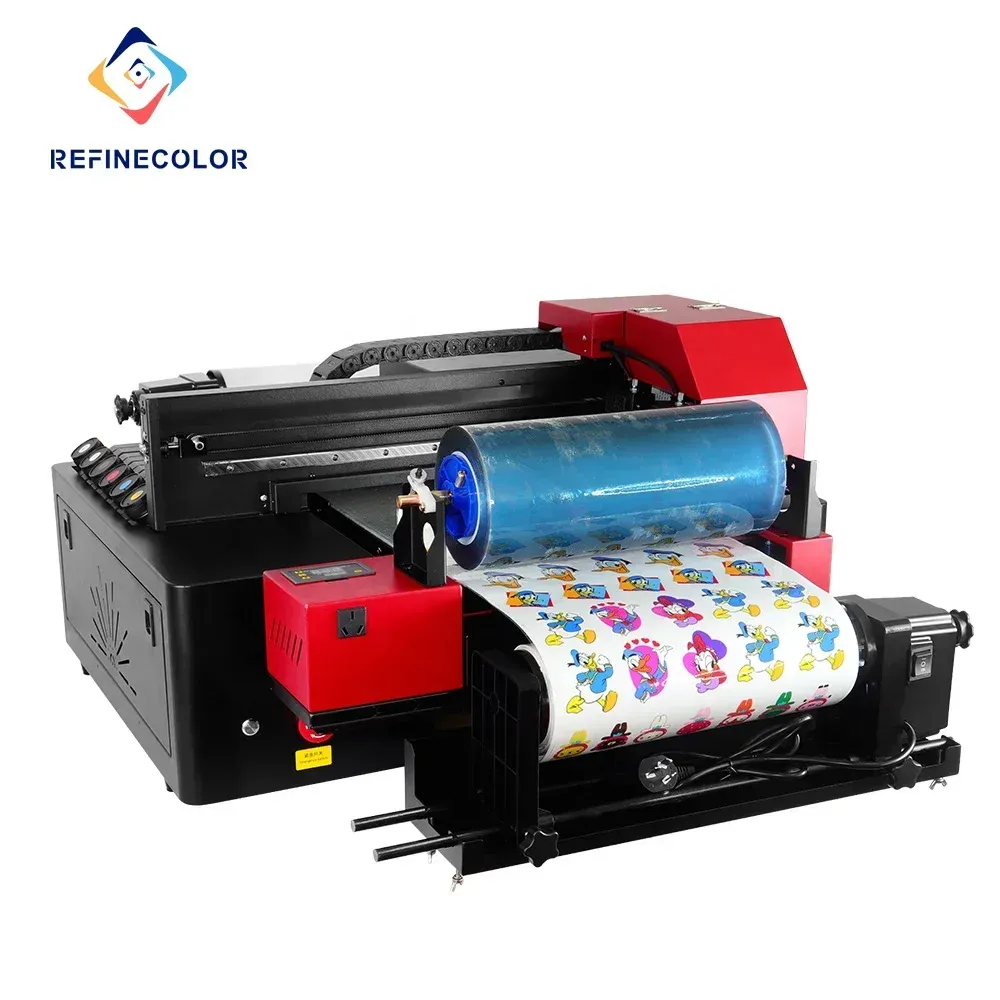
In the dynamic landscape of modern print technology, UV DTF printing is emerging as a revolutionary method that businesses are eager to adopt. This cutting-edge technique, which stands for UV Direct to Film, offers a plethora of advantages that can significantly enhance production capabilities and output quality. By harnessing ultraviolet light to cure inks on specialized film, UV DTF provides vibrant color reproduction and unparalleled durability, making it perfect for a range of applications. Additionally, this method supports eco-friendly printing practices, aligning with an increasing demand for sustainability in the industry. Whether you're looking for custom printing solutions or aiming to elevate your brand’s visibility, understanding the benefits of UV DTF can open new avenues for creative expression and commercial success.
UV DTF, also known as ultraviolet direct to film printing, represents a groundbreaking approach to modern printing challenges. This innovative technique utilizes UV light to quickly cure inks on film, ultimately allowing for exceptional print quality on diverse substrates. The versatility of direct to film printing empowers businesses to explore custom designs that resonate with their audience while maintaining eco-friendly standards. With its impressive durability and vivid color capabilities, this method has revolutionized the way brands develop and deploy their visual identities. As the market continues to evolve, understanding the full scope of UV DTF technology can give businesses the competitive edge they need to thrive.
Understanding UV DTF Technology
UV Direct to Film (DTF) printing is a modern advancement in the field of printing technology that utilizes ultraviolet light to cure or dry the ink as it is printed onto a specialized film. This unique process enables high-quality prints that can be transferred onto a wide variety of substrates, encompassing everything from rigid materials to flexible textiles. The ability to print on an array of surfaces not only enhances the versatility of applications but also opens up creative possibilities for designers and marketers. By understanding the mechanics of UV DTF, businesses can leverage this technology to innovate their branding and promotional strategies.
The process of UV DTF does not merely stop at creating prints; it encompasses a full range of benefits that cater to the modern business environment. One of the core advantages is the efficiency of production, as the instant curing process eliminates long drying times typically associated with traditional printing methods. Thus, businesses can enjoy faster turnaround times and scalability, ensuring they meet the demands of a fast-paced market while maintaining high-quality output. The seamless transition from design to physical product exemplifies why UV DTF is becoming a popular choice among companies seeking to stay ahead in a competitive landscape.
Advantages of High Durability in UV DTF Printing
One of the standout features of UV DTF printing is its high durability, distinguishing it from many traditional printing methods. Prints created through UV DTF are notably resistant to scratches, fading, and chemical exposure, which makes them ideal for a range of applications that require longevity and resilience. For instance, marketing materials, outdoor signage, and promotional items must withstand diverse conditions, and UV DTF meets these demands effectively. This durability ensures that brands can maintain their visual integrity over time, ultimately enhancing customer experiences.
In addition to outdoor use, the durability of UV DTF prints makes them a perfect fit for various indoor applications. Products such as interior signage and display materials benefit from the fact that they maintain their vibrancy and clarity even in challenging lighting conditions. As businesses strive for excellence in customer engagement and brand representation, the use of durable materials can significantly add value by ensuring that their promotional tools remain effective and aesthetically appealing, reinforcing brand recognition across different environments.
Vivid Color Reproduction with UV DTF
When it comes to color fidelity and vibrancy, UV DTF printing excels, offering superior color reproduction compared to traditional methods. The unique ultraviolet curing process allows inks to bond exceptionally well to the substrate, resulting in prints that display rich colors and intricate details. This precision is vital for brands in demanding industries such as fashion and technology, where visual impact is essential in driving consumer interest and sales. The ability to reproduce complex graphics and vibrant hues accurately allows designers to fully express their creativity and meet the high expectations of modern consumers.
Furthermore, the vivid color capabilities of UV DTF significantly expand the creative possibilities for brand campaigns. Advertisement materials, packaging, and promotional items can now feature a broader palette, standing out in saturated markets and capturing the attention of potential customers. As visual content becomes a key driver in marketing strategies, leveraging UV DTF for its bright and striking prints can enhance brand identity and convey messages more effectively. In this way, businesses are not only focusing on aesthetics but also on how color can influence consumer behavior.
Exploring the Versatility of Substrates in UV DTF
One of the most exciting benefits of UV DTF printing is its remarkable versatility when it comes to substrates. Unlike traditional printing methods that may have limitations on the types of materials they can effectively print on, UV DTF technology allows for printing on everything from paper to unconventional surfaces like metal, glass, and even textiles. This versatility empowers designers to explore creative avenues previously thought impractical, thus enabling companies to push the boundaries of their promotional campaigns and product design.
Moreover, the ability to print on a diverse array of substrates means that UV DTF can cater to various industries and applications. Craft and fashion designers, for example, can create unique textile designs, while promotional item manufacturers can produce customized products that stand out in the marketplace. This adaptability not only enriches the creative process but also ensures that businesses can cater to specific client needs or trends without the constraints typically associated with more rigid printing techniques. As markets evolve, this flexibility positions UV DTF as a go-to solution for innovative marketing solutions.
The Eco-Friendly Edge of UV DTF Printing
In an era where sustainability is key, UV DTF printing positions itself as a frontrunner in eco-friendly printing solutions. This printing technology typically uses inks that contain fewer volatile organic compounds (VOCs) than traditional solvent-based inks, contributing to a cleaner and healthier environment. Companies seeking to reduce their ecological footprint and appeal to environmentally conscious consumers can significantly benefit from adopting UV DTF technology in their operations. It represents a critical step toward responsible production practices while still achieving high-quality prints.
Moreover, the eco-friendly nature of UV DTF does not compromise on quality. The process allows for precise color matching and detailed designs without the environmental downsides associated with other techniques. With increasing awareness of the implications of printing on the planet, businesses can leverage the green credentials of UV DTF to attract clients who prioritize sustainability. By integrating this technology, companies can demonstrate their commitment to environmental responsibility while continuing to produce vibrant, impactful visual outputs.
Cost-Effectiveness of UV DTF Printing
While the initial investment in UV DTF printing technology may be higher than traditional printing methods, the long-term cost-effectiveness proves advantageous for businesses. This method eliminates excessive waste, as it enables precise printing with minimal margins for error. Moreover, its ability to produce vivid, high-quality prints quickly translates into increased operational efficiency. As companies save on material costs and production time, they can expect a substantial decrease in overall expenses over time, making UV DTF a financially sound choice in the long run.
Additionally, as businesses find themselves competing in a rapidly changing market, the speed of production offered by UV DTF provides an edge. Companies that can rapidly fulfill custom orders without compromising on quality stand to gain both customer loyalty and increased sales. The combination of reduced waste, swift production times, and improved profit margins emphasizes how UV DTF can be a sustainable strategy for financial health that aligns with the needs of diverse markets. Adopting this technology creates a compelling case for businesses seeking not only quality but also economic viability.
Frequently Asked Questions
What is UV DTF printing and how does it work?
UV DTF printing, or UV Direct to Film printing, utilizes ultraviolet light to cure ink as it is printed onto a specialized film. This film can then be transferred to various surfaces, making UV DTF an innovative and versatile option for high-quality print applications.
What are the key benefits of UV DTF printing?
The benefits of UV DTF printing include high durability against scratches and fading, vivid color reproduction for striking designs, versatility with various substrates, eco-friendly inks with low VOC levels, fast production speeds, cost-effectiveness over time, and excellent customization capabilities for unique projects.
Is UV DTF printing eco-friendly?
Yes, UV DTF printing is considered eco-friendly due to its use of UV inks that contain fewer volatile organic compounds (VOCs) than traditional solvent-based inks. This not only helps reduce environmental impact but also promotes a safer working environment.
What types of materials can be used with UV DTF printing?
UV DTF printing is highly versatile and can be applied to a wide range of materials including textiles, metals, glass, paper, and even unconventional surfaces. This flexibility allows designers to explore creative options that traditional printing methods may not support.
How does UV DTF printing compare to traditional printing methods?
UV DTF printing outshines traditional methods in various aspects, including faster production speeds due to instant ink curing, greater durability of prints, and the ability to produce vibrant colors with high precision. Additionally, its ability to print on a diverse range of substrates gives it an edge over conventional techniques.
What customization options are available with UV DTF printing?
UV DTF printing offers extensive customization options, enabling brands to create unique, short-run prints tailored to specific needs. This allows businesses to respond quickly to market demands for personalized products without compromising on quality or incurring high costs.
| Benefit | Description |
|---|---|
| High Durability | UV DTF prints are scratch-resistant, fade-resistant, and chemically resistant, suitable for various environments. |
| Vivid Color Reproduction | Delivers bright, eye-catching colors and sharp details that appeal to graphic-heavy brands. |
| Versatility of Substrates | Can be printed on a wide range of materials, including textiles, metal, and glass. |
| Eco-Friendly | Uses UV inks with fewer VOCs, making it a more sustainable choice for printing. |
| Speed of Production | Instant curing speeds up production time significantly, enhancing efficiency. |
| Cost-Effectiveness | Although initially higher, UV DTF proves cost-effective due to reduced waste and faster production. |
| Customization Capabilities | Allows for easy customization of short-run prints while maintaining quality. |
Summary
UV DTF is a revolutionary printing technique that offers numerous advantages for businesses seeking high-quality, durable prints. The technology enhances print durability, ensuring resistance to scratches and environmental factors, while providing vibrant, precise color reproduction. Its incredible versatility allows printing on a variety of surfaces, catering to diverse creative needs. Additionally, UV DTF promotes sustainability with eco-friendly inks, speeds up production processes, and proves cost-effective over time. Companies that embrace UV DTF position themselves at the forefront of innovation, ready to meet market demands with customized, eye-catching products.