
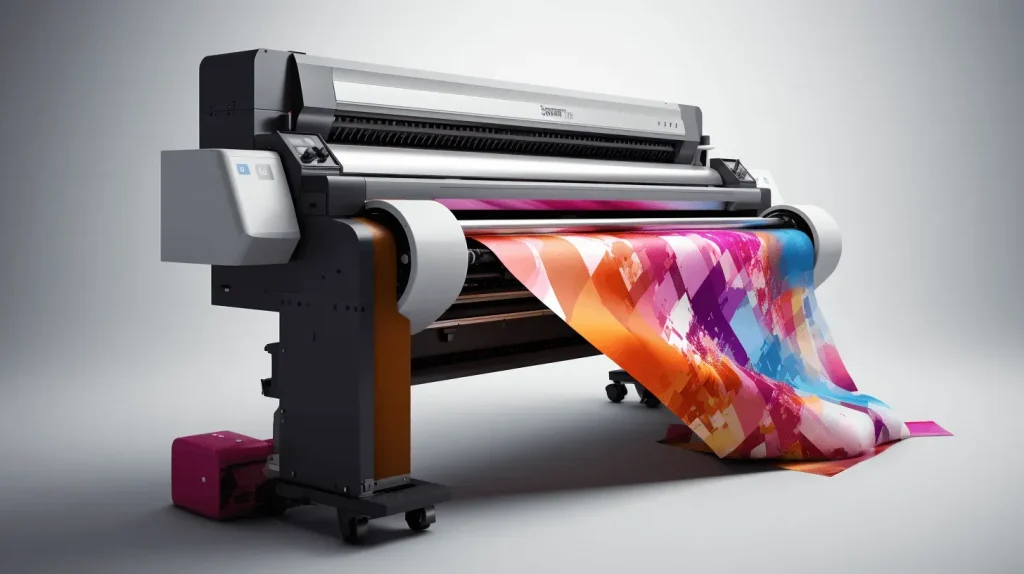
DTF printing, or Direct-to-Film printing, has revolutionized the way apparel design is approached, making it a favorite among entrepreneurs and hobbyists alike. This innovative printing method transfers designs directly onto a special film, enabling vibrant, durable prints on various fabrics. In this DTF printing guide, we will dive into the exciting advantages of this technology, the essential equipment needed to get started, and helpful tips for beginners looking to master this technique. If you’re wondering how to DTF print effectively, you’re in luck, as we will walk you through each step of the process. Embrace the world of DTF printing and learn how to create stunning custom apparel that stands out in today’s competitive market.
Direct-to-Film printing, commonly referred to as DTF printing, is an advanced method that provides a user-friendly approach to garment decoration. This printing technique allows for high-quality images to be transferred from a printed film onto various fabric types, making it a versatile choice for custom apparel production. As you explore DTF printing for beginners, understanding its unique perks and necessary equipment can set you on a path to success. Known for its ability to produce intricate designs with vivid colors, DTF printing has quickly become a preferred option for those venturing into personalized clothing. Whether you are starting a small business or simply enjoying a creative hobby, this printing method presents exciting possibilities.
Understanding DTF Printing: The Basics
Direct-to-Film (DTF) printing is revolutionizing the way businesses approach garment decoration. By utilizing a special film that receives vibrant water-based inks, this method allows for intricate designs to be easily transferred onto a variety of fabrics. This beginner-friendly approach eliminates the intimidation often experienced with traditional methods like screen printing and direct-to-garment (DTG) printing. Instead, DTF printing gives aspiring entrepreneurs the ability to create eye-catching apparel without needing extensive expertise or investments in complex equipment.
The process fundamentally involves printing your design onto a PET film, applying an adhesive powder, and then using a heat press to transfer the image onto the fabric. This meticulous process ensures that colors pop with clarity and durability, catering to the demands of both professional businesses and individual custom projects. As DTF printing continues to gain momentum, understanding the foundational aspects of this technique can empower beginners to embark on their creative journey with confidence.
The Versatility of DTF Printing for Various Fabrics
One of the standout advantages of DTF printing is its compatibility with a wide range of fabric types. This includes common materials like cotton and polyester, as well as blends and certain types of nylon. Unlike other printing techniques that may struggle with specific fabrics, DTF printing adapts effortlessly, making it an ideal choice for businesses that wish to diversify their product offerings. This versatility not only broadens the potential customer base but also allows for unique creations that can cater to individual preferences.
Additionally, the quality of prints produced through DTF printing is exceptionally high, with designs that retain their sharpness and color accuracy across different fabric types. This fidelity is essential for brands looking to establish themselves in the competitive custom apparel market. Whether you aim to produce casual wear, sports jerseys, or fashion-forward pieces, DTF’s capability to handle diverse fabric choices makes it a smart investment for any aspiring apparel entrepreneur.
Essential Tools and Equipment for DTF Printing Success
Getting started with DTF printing requires specific equipment to ensure that your prints maintain their quality and durability. The centerpiece of any DTF setup is the DTF printer itself, which utilizes pigment-based inks designed for optimal adhesion to transfer films. Brands like Epson and Mimaki offer reliable options, but it’s essential to research and select models that fit your business needs. Additionally, having high-quality PET films is crucial since they directly impact the vibrancy of your prints and their performance on fabrics.
Furthermore, an efficient heat press machine is vital for transferring your designs. The accuracy in temperature and pressure applied during this process significantly influences the final output, ensuring that the ink binds effectively to the fabric. Lastly, don’t overlook the importance of adhesive powders, which secure the prints during heat application. Investing in the right tools will undoubtedly set the stage for successful DTF printing, allowing for professional-level finishes that can impress both clients and customers alike.
Cost Analysis for Starting a DTF Printing Business
Understanding the financial aspects of starting a DTF printing business is crucial for any beginner. A basic setup generally costs between $5,000 and $10,000, which encompasses a DTF printer, heat press, and necessary materials. This initial investment can seem daunting, but breaking down these costs reveals that it’s comparable to other printing methods, especially considering the quality and versatility DTF printing offers.
Additionally, the cost of materials, including inks, PET films, and adhesive powders, should be factored into your budget. Regularly purchasing these items can reduce overall expenses, especially if you opt for bulk buying. Keep in mind that as your business grows and you gain experience, the potential profit margins from DTF printing can significantly outweigh the initial financial hurdles, making it a worthwhile investment in the long run.
The Growing Demand and Recent Trends in DTF Printing
The DTF printing market is currently experiencing remarkable growth driven by increasing consumer demand for personalized and custom apparel. As the trend towards individuality and unique designs continues to rise, DTF printing is well positioned to capture a significant share of this market. Start-ups and established companies alike are leveraging this printing technology to meet the evolving preferences of consumers, who are increasingly drawn to bespoke fashion.
Recent technological advancements are further enhancing the capabilities of DTF printing. Innovations aimed at increasing printing speeds and improving efficiency are emerging, which enable businesses to handle larger orders and scale their operations effectively. As the market continues to expand and more players enter the space, staying abreast of these developments will be crucial for beginners looking to make their mark in the custom apparel industry.
Resources for Beginners to Master DTF Printing
Embarking on your DTF printing journey can be simplified by tapping into various online resources that offer guidance and support. Many online forums and communities exist, providing a platform for beginners to connect with experienced professionals who share insights, troubleshooting tips, and best practices for using DTF printing equipment effectively. These collaborations can be incredibly beneficial in gaining a deeper understanding of the nuances involved in this printing method.
Additionally, numerous tutorial videos available on platforms like YouTube can offer invaluable demonstrations and step-by-step instructions for mastering DTF printing techniques. Don’t overlook the benefit of participating in workshops, both online and in person, designed specifically for DTF printing. These resources not only enhance your skills but also equip you with knowledge that can set you apart in the competitive custom apparel market.
Frequently Asked Questions
What is DTF printing and how does it work?
DTF printing, or Direct-to-Film printing, is a garment decoration technique that prints designs onto a special PET film, which is then heat transferred onto fabric. The process utilizes water-based inks and special adhesive powder that bonds the print to various fabric types, ensuring vibrant colors and durability.
What are the advantages of DTF printing compared to other methods?
DTF printing offers several advantages, including a user-friendly process that is ideal for beginners, the ability to produce high-quality prints with intricate designs, and compatibility with various fabric types like cotton and polyester, making it a versatile choice for custom apparel.
What equipment do I need to start DTF printing?
To start DTF printing, you’ll need a dedicated DTF printer, PET transfer film, adhesive powder, and a heat press machine. These components are essential for producing quality prints and ensuring effective adhesion to fabrics.
How much does it cost to start a DTF printing business?
The initial investment for a DTF printing setup typically ranges from $5,000 to $10,000, covering the printer, heat press, and basic materials. Additional costs for supplies like PET film and ink will also be ongoing expenses.
Is DTF printing suitable for beginners?
Yes, DTF printing is particularly suitable for beginners due to its straightforward process and the availability of diverse resources, such as online tutorials and community forums, which provide support and tips for effective printing.
What recent developments are shaping the DTF printing industry?
Recent developments in the DTF printing industry include technological innovations aimed at enhancing printing speeds and efficiency, along with a rising demand for custom apparel, which is driving market growth and attracting new businesses to the field.
| Key Points | Details |
|---|---|
| What is DTF Printing? | Direct-to-Film printing involves printing designs onto a special film, which is then heat transferred onto fabric using water-based inks and adhesive powder. |
| Advantages of DTF Printing | 1. User-friendly process for beginners. 2. Produces high-quality prints with sharp, detailed images. 3. Compatible with various fabric types including cotton and polyester. |
| Essential Equipment for DTF Printing | 1. DTF Printer (e.g., Epson, Mimaki). 2. PET Film for vibrant designs. 3. Adhesive Powder for binding ink to fabric. 4. Heat Press Machine for accurate transfer. |
| Cost Considerations | Initial setup costs range from $5,000 to $10,000, with ongoing material costs for printing supplies. |
| Recent Developments | Technological innovations are improving printing speeds, efficiency, and user-friendliness, driving growth in the custom apparel market. |
| Resources for Beginners | Join forums, watch tutorial videos on YouTube, and follow blogs from DTF specialists for tips and advice. |
Summary
DTF printing provides a transformative approach to garment decoration, making it an ideal choice for those new to apparel customization. This innovative printing technique allows users to print designs directly onto a special film, ensuring vibrant colors and durability when transferred to fabric. As it simplifies the print process and opens doors for producing high-quality, intricate designs across various fabric types, many aspiring entrepreneurs are keen to explore DTF printing. With the right equipment, understanding of cost factors, and access to supportive resources, beginners can dive into the rewarding world of DTF printing, capitalizing on an increasingly popular market for custom apparel.