
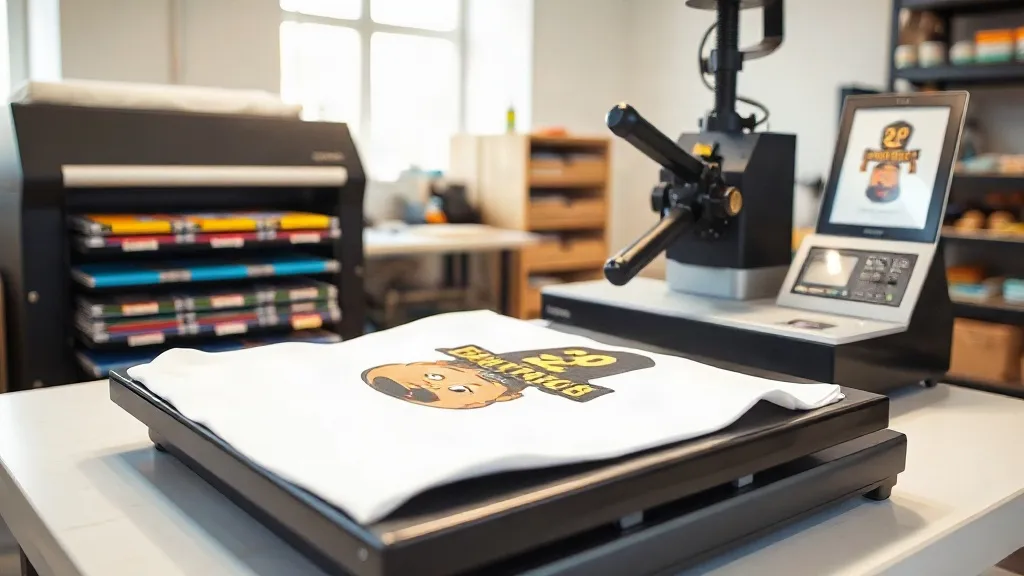
If you've been exploring custom apparel printing, you've likely encountered DTF transfers. This innovative technology is transforming the way designers and hobbyists bring their ideas to life on fabric. Unlike traditional methods, DTF (Direct to Film) printing offers unmatched versatility and durability, making it a favorite among professionals and beginners alike. In this guide, we'll walk you through everything you need to know about DTF transfers, from the basics to pro tips for flawless results.
What Are DTF Transfers?
DTF stands for Direct to Film. It's a printing process where your design is printed onto a special film, then coated with a powder adhesive and cured. The result is a transfer that can be heat-pressed onto various fabrics. This method eliminates the need for weeding and cutting, streamlining the production process. Whether you're printing a single shirt or a bulk order, DTF transfers deliver consistent, high-quality results.
The DTF Printing Process Explained
The process begins with your digital design. Using a DTF printer, the design is printed onto a PET film with water-based inks. While the ink is still wet, a hot-melt adhesive powder is applied, ensuring the design will bond securely to the fabric. After shaking off excess powder, the film is cured in an oven or heat press. Once cured, the transfer is ready to be applied using a heat press. This multi-step process might seem complex, but it's straightforward once you get the hang of it.
Why Choose DTF Transfers?
DTF transfers offer several advantages over other printing methods like screen printing or vinyl. Here's why they're worth considering:
- Versatility: DTF transfers work on a wide range of fabrics, including cotton, polyester, blends, and even some synthetics. No need for special pretreatments.
- Durability: The prints are highly resistant to cracking, peeling, and fading, even after multiple washes.
- Vibrant Colors: DTF printers can produce incredibly detailed, full-color designs with gradients and fine lines.
- Cost-Effective: For small to medium orders, DTF transfers are more affordable than screen printing setup costs.
- No Weeding: Unlike vinyl, there's no tedious weeding involved, saving you time and effort.
How to Apply DTF Transfers
Applying DTF transfers is a straightforward process, but it requires attention to detail. Follow these steps for professional-looking results:
- Preheat Your Heat Press: Set your heat press to the recommended temperature (usually around 300°F to 325°F).
- Pre-Press the Garment: Briefly press the shirt to remove moisture and wrinkles.
- Place the Transfer: Position the DTF transfer on the garment with the printed side facing up.
- Press: Apply medium pressure for 10-15 seconds.
- Peel: Wait for the transfer to cool completely before peeling off the film. This ensures the adhesive bonds properly.
- Post-Press: For added durability, cover the design with parchment paper or a Teflon sheet and press again for 5-10 seconds.
Always check the specific instructions provided with your transfers, as temperatures and times may vary slightly.
Finding Quality DTF Transfers Near You
When sourcing DTF transfers, quality is paramount. Poorly made transfers can lead to faded prints, cracks, or adhesion issues. If you're searching for dtf transfers near me, you'll want a supplier that uses high-quality inks and films. Look for reviews, ask for samples, and ensure they offer vibrant colors and sharp details. Many suppliers now offer online ordering with fast shipping, so you can get your transfers delivered right to your door.
Common Mistakes to Avoid
Even with a simple process, mistakes can happen. Here are some pitfalls to watch out for:
- Insufficient Pressure: Too little pressure results in poor adhesion. Make sure your press is calibrated.
- Peeling Too Soon: Peeling while hot can ruin the design. Always wait for it to cool.
- Ignoring Fabric Types: Some fabrics require lower temperatures. Always test on a scrap piece first.
- Using the Wrong Film: Ensure you're using DTF-specific film, not other transfer films.
DTF vs. Other Printing Methods
How does DTF stack up against screen printing and DTG (Direct to Garment)?
DTF vs. Screen Printing
Screen printing is cost-effective for large orders but requires setup and is limited to certain fabrics. DTF is more versatile and better for detailed designs, with no minimum order.
DTF vs. DTG
DTG prints directly onto the garment, which can be limiting on dark fabrics without pretreatment. DTF works on any color and fabric, with a softer feel.
Frequently Asked Questions
What fabrics can I use with DTF transfers?
DTF transfers work on cotton, polyester, blends, and many synthetics. They're not recommended for nylon or fabrics with special coatings.
How long do DTF transfers last?
With proper application and care, DTF prints can last as long as the garment itself, resisting cracking and fading for years.
Can I stretch DTF prints?
DTF prints have some stretchability, but excessive stretching may cause cracking. They're ideal for areas with minimal stretch.
Do I need a special printer for DTF?
Yes, DTF requires a dedicated DTF printer and supplies. However, you can buy pre-made transfers from suppliers if you don't want to invest in equipment.
How should I care for DTF-printed garments?
Wash inside out in cold water and tumble dry low. Avoid ironing directly on the print.
DTF transfers are a game-changer for custom apparel. With their versatility, durability, and ease of use, they're a smart choice for anyone looking to create professional-quality prints. Whether you're a small business owner or a DIY enthusiast, mastering DTF transfers opens up a world of creative possibilities.