
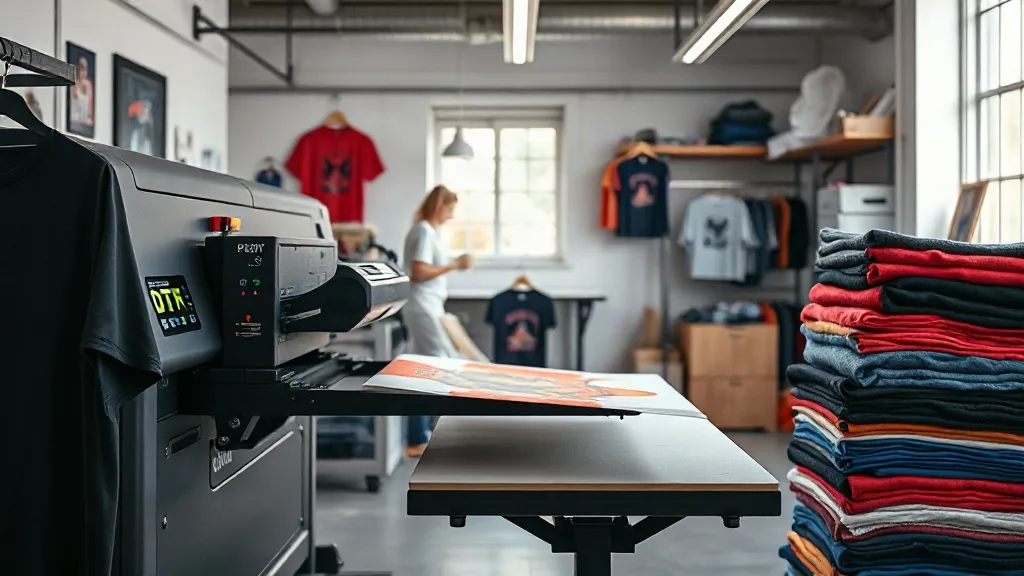
If you've been exploring custom apparel printing, you've likely encountered dtf transfers. This technology has rapidly gained popularity among small business owners, crafters, and hobbyists for its versatility and vibrant results. Unlike traditional methods that require specialized equipment or minimum orders, DTF (Direct-to-Film) transfers offer a accessible way to produce high-quality, full-color designs on a variety of fabrics. In this guide, we'll break down what DTF transfers are, how they work, and why they might be the perfect solution for your next project.
What Are DTF Transfers?
DTF stands for Direct-to-Film. It's a printing process where your design is printed onto a special film, then coated with a adhesive powder and cured. The resulting transfer can be applied to fabric using a heat press. The key advantage is that DTF works on almost any fabric, including cotton, polyester, blends, and even nylon, without the need for pre-treatment. This makes it incredibly versatile for a wide range of garments and products.
The DTF Printing Process Step by Step
Understanding the process helps you appreciate the quality and durability of the final product. Here's a simplified breakdown:
- Design Preparation: Your artwork is prepared digitally, ensuring it's in the correct format and resolution.
- Printing: A specialized DTF printer prints the design onto a PET film using water-based inks. A white ink layer is typically applied behind the color to ensure opacity on dark fabrics.
- Powder Application: While the ink is still wet, a hot-melt adhesive powder is sprinkled evenly over the design. The excess powder is shaken off.
- Curing: The film is then heated to melt the powder, creating a durable, flexible adhesive layer.
- Transfer: Once cooled, the transfer is ready to be applied to fabric using a heat press. The film is placed on the garment, pressed, and then peeled away (hot or cold peel, depending on the film).
This process allows for intricate details, gradients, and photographic images to be reproduced with stunning accuracy.
Why Choose DTF Transfers Over Other Printing Methods?
You might wonder how DTF compares to screen printing, vinyl, or DTG (Direct-to-Garment). Each method has its strengths, but DTF shines in several areas:
- No color limitations: Unlike screen printing, which requires a separate screen for each color, DTF can print unlimited colors in a single pass. This makes it cost-effective for complex designs.
- Works on diverse fabrics: DTF adheres well to cotton, polyester, blends, and even treated nylon. You're not restricted to 100% cotton like with DTG.
- No pre-treatment: DTG often requires pre-treating the garment, which adds time and cost. DTF eliminates this step.
- Durability: When applied correctly, DTF transfers are highly durable, withstanding repeated washing without fading or cracking.
- Low minimums: Ideal for small businesses or one-off projects, DTF transfers can be ordered in small quantities, unlike screen printing which has setup costs per color.
DTF vs. DTG: What's the Difference?
Both are digital printing methods, but they differ in execution. DTG prints directly onto the garment, which must be pre-treated. DTF prints onto a film, which is then transferred. DTF often produces more vibrant colors on dark shirts and works on more fabric types. However, DTG can have a softer hand feel on 100% cotton. The choice depends on your specific needs.
Getting Started with DTF Transfers
If you're convinced that DTF is right for you, here's how to begin. You can either order custom transfers from a provider or set up your own DTF printing system.
Ordering Custom DTF Transfers
For many, ordering transfers is the easiest entry point. You simply upload your design to a service, choose the size and quantity, and receive ready-to-press transfers. When choosing a supplier, consider:
- Quality of inks and film: Look for vibrant colors and durable materials.
- Turnaround time: How quickly do they ship?
- Customer reviews: Check feedback on durability and color accuracy.
- Pricing: Compare costs per transfer, including shipping.
If you're searching for dtf transfers near me, you might find local print shops that offer the service, allowing for faster turnaround and personalized support. However, online providers often have competitive pricing and a wider range of options.
Setting Up Your Own DTF Printing
For those who want full control, investing in a DTF printer and heat press is an option. Startup costs can be significant (printers range from $3,000 to $20,000+), but if you plan to produce high volumes, it can pay off. You'll need:
- A DTF printer (modified inkjet or purpose-built).
- DTF ink and film.
- Adhesive powder and a curing oven or heat gun.
- A heat press.
- Design software.
Learning curve: Mastering the powder application and curing takes practice. Join online communities and watch tutorials to avoid common pitfalls.
Applications of DTF Transfers
DTF isn't just for t-shirts. Its versatility opens up many possibilities:
- Custom apparel: T-shirts, hoodies, leggings, and more.
- Accessories: Tote bags, hats, and socks.
- Home decor: Pillow covers, aprons, and tea towels.
- Promotional items: Uniforms, event merchandise, and corporate gifts.
Because DTF works on so many materials, you can experiment with different products to expand your offerings.
Tips for Successful DTF Transfers
To ensure your transfers look great and last long, follow these best practices:
- Use high-resolution images: At least 300 DPI for crisp details.
- Test on scrap fabric: Before pressing onto a final garment, do a test press to dial in temperature, pressure, and time.
- Follow the film's instructions: Hot peel vs. cold peel matters. Always check the recommended settings.
- Store transfers properly: Keep them in a cool, dry place away from direct sunlight to prevent the adhesive from degrading.
- Wash inside out: To prolong the life of the print, turn garments inside out and wash in cold water.
Common Mistakes to Avoid
Even experienced users can run into issues. Here are some pitfalls to watch for:
- Insufficient pressure: Leads to poor adhesion and early peeling.
- Too much powder: Can cause a stiff, plasticky feel. Shake off excess thoroughly.
- Under-curing the powder: Results in wash-off. Ensure the powder melts completely.
- Pressing on uneven surfaces: Use a pressing pad for items like buttons or zippers.
Frequently Asked Questions
How long do DTF transfers last?
When applied correctly and cared for properly, DTF transfers can last as long as the garment itself, often 50+ washes without significant fading or cracking.
Can I use DTF transfers on dark fabrics?
Absolutely. DTF includes a white ink layer that provides a bright base, making colors pop on dark materials.
Do I need a special heat press for DTF?
A standard heat press works fine, but you'll need to set the correct temperature (usually around 300-320°F) and pressure. Some films require specific peel methods (hot or cold).
Is DTF transfers eco-friendly?
DTF uses water-based inks, which are more environmentally friendly than solvent-based alternatives. However, the film and powder do contribute to waste, so recycling programs are limited. Look for suppliers with sustainable practices.
Where can I buy DTF transfers?
Many online retailers offer custom DTF transfers. You can also find local print shops that provide the service. When searching for dtf transfers, compare reviews and request samples to ensure quality.
DTF transfers have revolutionized the custom apparel industry by making high-quality, full-color printing accessible to everyone. Whether you're a small business owner looking to expand your product line or a hobbyist wanting to create personalized gifts, DTF offers a reliable and versatile solution. With the right knowledge and tools, you can achieve professional results that impress your customers.