
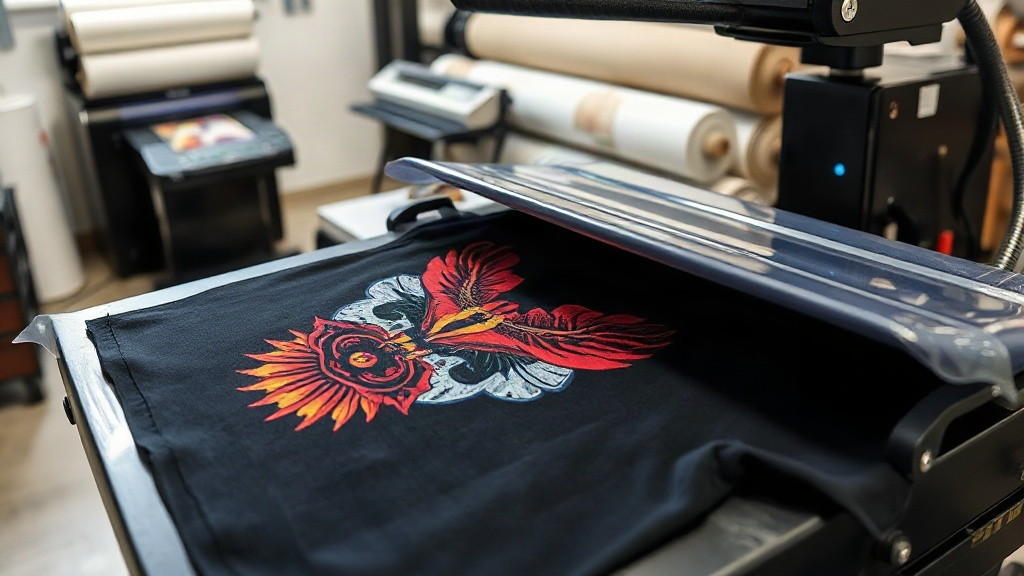
When you first hear about DTF Transfers, you might wonder if it's just another printing acronym. But for anyone who creates custom apparel, whether for a small business, a sports team, or a personal project, DTF transfers represent a genuine shift in what's possible. Unlike traditional methods that limit your fabric choices or require minimum orders, DTF opens up a world where full-color, highly detailed designs can be applied to almost any garment with impressive durability. In this guide, we'll walk through what DTF transfers are, how they work, and why they might be the perfect solution for your next project.
What Are DTF Transfers?
DTF stands for Direct to Film. It's a printing technology where your design is printed onto a special film, coated with a heat-activated adhesive powder, and then transferred onto fabric using a heat press. The result is a soft, flexible print that bonds permanently to the material. Unlike DTG (Direct to Garment) printing, which prints directly onto the fabric, DTF transfers allow you to print the design separately and then apply it to a wide range of fabrics, including cotton, polyester, blends, and even some synthetic materials that are notoriously difficult for other methods.
How DTF Transfers Work: A Step-by-Step Overview
Understanding the process helps you appreciate the quality and versatility of DTF transfers. Here's what happens:
- Design Preparation: Your artwork is prepared digitally, with colors separated and mirrored if necessary. A white ink layer is typically added underneath to ensure opacity on dark fabrics.
- Printing: A specialized DTF printer prints the design onto a PET film using pigment-based inks. The white layer is printed first, followed by the color layers.
- Powdering: While the ink is still wet, a thermoplastic adhesive powder is applied evenly over the printed area. Excess powder is shaken off.
- Curing: The film passes through a heat source (often a conveyor oven) to melt the powder, creating a dry, ready-to-transfer sheet.
- Transfer: The film is placed on the garment and pressed with a heat press at a specific temperature and pressure for a set time. After pressing, the film is peeled away (hot or cold peel, depending on the film type), leaving the design bonded to the fabric.
Why Choose DTF Transfers Over Other Printing Methods?
If you've tried screen printing, vinyl, or DTG, you know each has its trade-offs. DTF transfers stand out for several reasons:
- No color limitations: DTF can reproduce full-color, photographic designs with gradients and fine details that screen printing struggles with.
- Fabric versatility: Works on cotton, polyester, blends, leather, and more. No need for special pre-treatment.
- Durability: When applied correctly, DTF prints resist cracking, peeling, and fading through many washes.
- Cost-effective for small runs: Unlike screen printing, there are no setup fees or minimum order quantities. You can print one or one hundred with the same ease.
- Soft feel: The prints are thin and flexible, so they don't feel like a heavy plastic patch on the garment.
Applications of DTF Transfers
DTF transfers are used across a wide spectrum of industries and personal projects. Here are some common applications:
- Custom T-shirts: Perfect for small businesses, events, and personal gifts.
- Sportswear: Team jerseys, shorts, and jackets with names and numbers.
- Corporate apparel: Logoed polos, hoodies, and caps for company branding.
- Fashion and streetwear: High-detail graphics on denim, jackets, and more.
- Promotional items: Tote bags, hats, and even mousepads.
DTF vs. Other Printing Methods: A Quick Comparison
To help you decide, here's how DTF stacks up against common alternatives:
- DTF vs. Screen Printing: Screen printing is cost-effective for large orders of simple designs, but DTF wins for complex, multi-color designs and small batches.
- DTF vs. DTG: DTG requires pre-treatment and works best on 100% cotton. DTF works on more fabrics and often produces more vibrant colors on dark shirts.
- DTF vs. Vinyl: Vinyl is limited to simple shapes and few colors. DTF can handle full-color images and fine details.
- DTF vs. Sublimation: Sublimation only works on light-colored polyester. DTF works on any color and many materials.
Tips for Successful DTF Transfer Application
Getting the best results from DTF transfers requires attention to detail. Here are some expert tips:
- Choose the right film: Different films are available for hot peel, cold peel, and specialty fabrics. Follow the manufacturer's recommendations.
- Pre-press the garment: This removes moisture and wrinkles, ensuring a smooth surface for the transfer.
- Use consistent pressure: A heat press with even pressure is crucial. Too little pressure and the design won't adhere; too much and it may spread.
- Temperature and time: Typically, 300-325°F for 10-15 seconds, but always check the film's specifications.
- Peel correctly: Hot peel films should be peeled immediately while hot; cold peel films need to cool completely before peeling.
- Post-press for durability: A second press for a few seconds after peeling can improve washability.
Common Mistakes to Avoid
Even experienced printers can run into issues. Watch out for these pitfalls:
- Insufficient pressure: Leads to poor adhesion and early peeling.
- Wrong temperature: Too low and the powder won't melt; too high and the film may warp or the ink may burn.
- Not pre-pressing: Moisture in the fabric can cause steam bubbles and poor bonding.
- Peeling too soon or too late: Follow the film's instructions precisely to avoid cracking or incomplete transfer.
- Using expired film: Old film may not adhere properly. Store film in a cool, dry place.
Frequently Asked Questions About DTF Transfers
How durable are DTF transfers?
When applied correctly, DTF transfers are very durable. They can withstand dozens of washes without fading, cracking, or peeling. To maximize longevity, wash garments inside out in cold water and avoid harsh detergents or high heat in the dryer.
Can I use DTF transfers on dark fabrics?
Absolutely. DTF transfers include a white ink layer that acts as a base, allowing vibrant colors to show up clearly on dark or colored fabrics. This is a major advantage over DTG printing, which often requires pre-treatment for dark shirts.
What fabrics work best with DTF transfers?
DTF transfers adhere well to cotton, polyester, cotton-poly blends, and many synthetic materials. They also work on leather and some treated fabrics. However, fabrics with a heavy texture or coating may not bond as effectively.
Do I need a special printer for DTF transfers?
Yes, DTF printing requires a dedicated DTF printer that uses pigment inks and can print the white layer. However, if you don't want to invest in a printer, you can order pre-printed DTF transfers from suppliers and apply them with a heat press.
How do I store unused DTF transfers?
Store DTF transfers in a cool, dry place away from direct sunlight. Keep them in a sealed bag or container to prevent dust and moisture from affecting the adhesive powder. Properly stored, they can last for several months.
Final Thoughts
DTF transfers have quickly become a go-to method for custom apparel because they combine vibrant color, fabric versatility, and durability with the flexibility of small-batch production. Whether you're a hobbyist or a growing business, understanding the process and following best practices will help you achieve professional results. As the technology continues to evolve, we can expect even more advancements that make DTF transfers an even more attractive option for all your printing needs.