
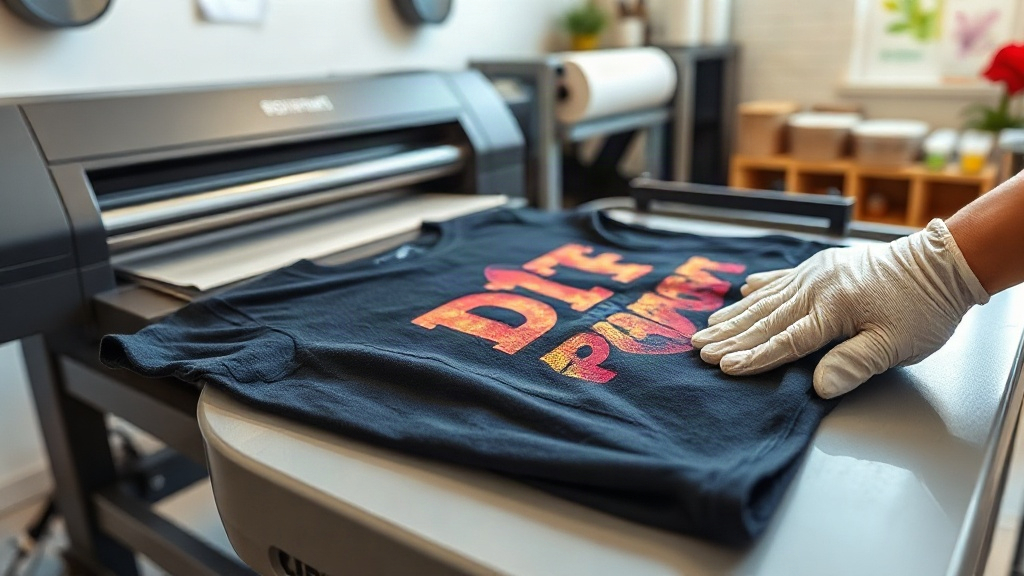
Custom apparel has never been more accessible, thanks to DTF Transfers. Whether you're a small business owner looking to offer personalized t-shirts or a hobbyist wanting to create unique gifts, DTF transfers provide a versatile and cost-effective solution. Unlike traditional methods like screen printing or vinyl cutting, DTF transfers allow you to print full-color designs onto a special film and then heat-press them onto various fabrics. The result? Stunning, durable prints that withstand washing and wear. In this guide, we'll dive deep into the world of DTF transfers, covering everything from the basics to advanced tips, so you can make informed decisions for your projects.
What Are DTF Transfers?
DTF stands for Direct-to-Film. It's a printing technology where your design is printed onto a PET film using specialized inks and then coated with a hot-melt adhesive powder. Once the powder is cured, the transfer is ready to be applied to fabric using a heat press. The magic happens when the adhesive melts, bonding the ink to the fabric. This method is particularly popular because it works on a wide range of materials, including cotton, polyester, blends, and even some synthetic fabrics. Unlike DTG (Direct-to-Garment) printing, which requires pre-treatment and works best on 100% cotton, DTF transfers are incredibly versatile.
How DTF Transfers Work: Step by Step
Understanding the process helps you appreciate the technology and troubleshoot issues. Here's a breakdown of the steps involved in creating and applying DTF transfers:
- Design Preparation: Start with a high-resolution image. Your design should be in a format like PNG with a transparent background for best results. The printer software will mirror the image before printing.
- Printing: A DTF printer uses CMYK plus white ink. The white ink is crucial as it acts as a base, allowing the colors to pop on dark fabrics. The printer lays down the white ink first, followed by the color layers.
- Powder Application: While the ink is still wet, the film passes through a powder shaker that evenly coats it with hot-melt adhesive powder. Excess powder is removed.
- Curing: The film then goes through a curing oven or under a heat source to melt the powder. This creates a dry, non-sticky surface.
- Transfer: The cured film can be stored or immediately used. To apply, you place the film on the fabric with the design facing up, cover with a Teflon sheet or parchment paper, and press according to the recommended temperature, pressure, and time. After pressing, you peel the film off while it's hot or cold, depending on the film type.
Why Choose DTF Transfers Over Other Methods?
There are several compelling reasons to opt for DTF transfers:
- No Weeding or Cutting: Unlike vinyl, there's no need to weed out tiny pieces. This saves time and reduces waste.
- Full-Color Complexity: You can print gradients, photographs, and intricate details without worrying about color limitations.
- Fabric Versatility: Works on cotton, polyester, blends, leather, and more. No need for different materials for different fabrics.
- Durability: When applied correctly, DTF transfers are highly durable. They stretch with the fabric and resist cracking and fading.
- Cost-Effective for Short Runs: No setup fees or minimums, making it ideal for small batches and personalized items.
Applications of DTF Transfers
DTF transfers are used in a variety of settings:
- Custom T-Shirts: Perfect for creating personalized tees for events, teams, or businesses.
- Sportswear: Because they stretch, they're great for jerseys and activewear.
- Corporate Apparel: Add logos to polos, jackets, and bags.
- Home Decor: Personalize pillows, totes, and more.
Tips for Successful DTF Transfer Application
To get the best results, follow these tips:
- Pre-Press the Garment: This removes moisture and wrinkles, ensuring a smooth surface.
- Use the Right Settings: Temperature, pressure, and time vary by film and fabric. Always test with a sample.
- Peel Carefully: Some films require hot peel, others cold. Follow the manufacturer's instructions.
- Post-Press for Durability: A second press with a Teflon sheet can improve washability.
- Wash Inside Out: To prolong the life of the transfer, wash garments inside out in cold water and avoid harsh detergents.
Common Mistakes to Avoid
Even seasoned professionals can make mistakes. Here are some pitfalls to watch out for:
- Insufficient Pressure: Without enough pressure, the transfer won't adhere properly.
- Wrong Temperature: Too hot can burn the film or fabric; too cold results in poor adhesion.
- Not Pre-Pressing: Skipping this step can lead to uneven transfers.
- Using Old Film: Check expiration dates; old film may not perform well.
Frequently Asked Questions
How long do DTF transfers last?
With proper application and care, DTF transfers can last as long as the garment itself. They are resistant to cracking, peeling, and fading, often outlasting other decoration methods.
Can I apply DTF transfers to dark fabrics?
Absolutely. The white ink layer in DTF transfers provides a bright base, making colors vibrant on dark backgrounds. This is a major advantage over DTG printing.
Do I need a special printer for DTF transfers?
Yes, you need a DTF printer that uses DTF inks and can handle the film. However, you can also purchase pre-printed transfers from suppliers if you don't want to invest in a printer.
What fabrics work best with DTF transfers?
DTF transfers work on a wide range of fabrics, including cotton, polyester, nylon, and blends. They even adhere to leather and canvas. However, for best results, avoid fabrics with heavy coatings or water repellents.
How do I wash garments with DTF transfers?
Turn the garment inside out and machine wash in cold water with mild detergent. Avoid bleach and fabric softeners. Tumble dry on low or hang dry. Do not iron directly on the transfer.
DTF transfers are a game-changer for custom apparel, offering unmatched versatility, vibrant colors, and durability. Whether you're a business or a hobbyist, incorporating DTF transfers into your workflow can open up new creative possibilities. With the tips and insights provided, you're well-equipped to achieve professional results.