
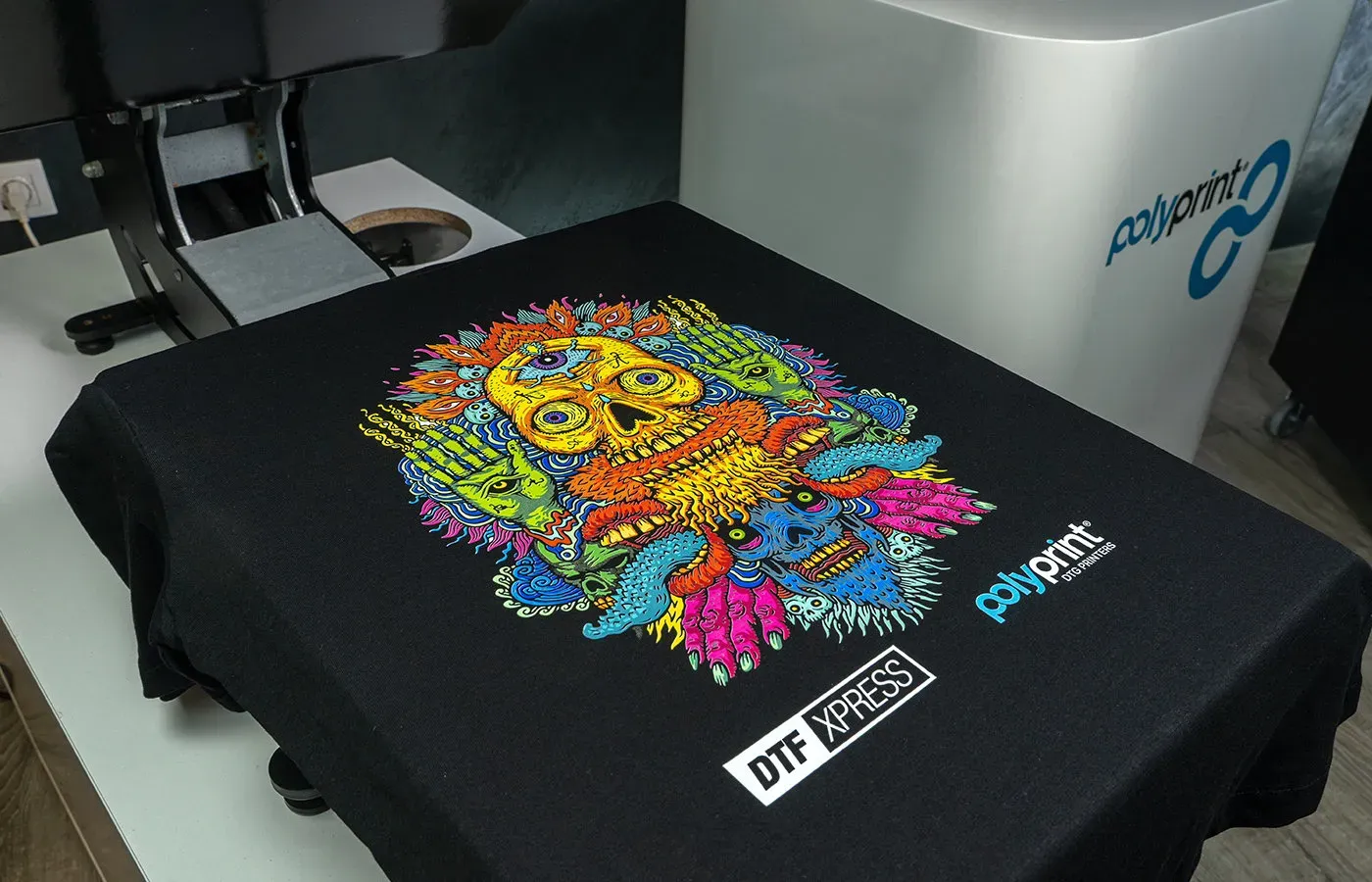
DTF printing, or Direct-to-Film printing, has captivated the printing industry with its remarkable capability to deliver vibrant graphics directly onto a variety of fabrics and materials. This innovative technique prints designs onto a specific type of film that is then heat transferred onto the desired substrate, ensuring exceptional print quality that stands out. As businesses increasingly seek to differentiate themselves in a competitive landscape, understanding the essential DTF equipment—including advanced printers, heat press machines, and specialized RIP software—is paramount to achieving professional results. Coupled with graphic design software, this technology empowers designers to create intricate designs that maintain clarity and color vibrancy. Embracing DTF printing not only maximizes print quality but also opens the door to unlimited creative possibilities for custom garment decoration.
Direct-to-Film (DTF) printing, an innovative method in the realm of textile printing, allows for high-quality images to be precisely transferred onto various materials. This technique, often used in garment decoration, leverages specialized films and heat application methods, making it a preferred choice for graphic designers and print professionals alike. Advanced printing equipment, alongside sophisticated software solutions, enhances the overall image quality and operational efficiency. Users can create stunning visual presentations, whether through custom apparel or promotional products, while utilizing cutting-edge technology in heat press machines and ink systems. As the sector evolves, the importance of high-quality DTF equipment and software cannot be overstated, paving the way for unparalleled print outcomes.
Essential DTF Equipment for Optimal Print Quality
To achieve exceptional print quality in Direct-to-Film (DTF) printing, the selection of the right equipment is paramount. A high-quality inkjet printer serves as the foundation for producing vibrant and detailed prints. Models like the Epson L1800 or Epson SureColor series stand out due to their capability of delivering high-resolution prints with accurate and vibrant color reproduction. These printers are designed specifically for DTF applications, ensuring reliable performance and stunning results regardless of the substrate.
In addition to traditional inkjet options, specialized DTF printers are gaining popularity among professionals. Brands like DTG Digital and A3 DTF offer machines that have been engineered specifically to meet the needs of DTF printing, enabling optimal ink usage and output quality. By investing in dedicated DTF printers, users can enhance their printing processes, achieve better consistency, and reduce operational costs over time.
The Role of Heat Press Machines in DTF Printing
Heat press machines are essential in the DTF printing process, acting as the bridge that transfers your printed design onto various substrates. When selecting a heat press, it’s crucial to look for features that allow customization, such as adjustable temperature and pressure settings. Brands like Hotronix and Geo Knight stand out for their durability and effectiveness, helping ensure that prints adhere well to fabrics without compromising quality.
The right heat press can mean the difference between a successful transfer and a failed print. A consistent approach to applying heat and pressure is vital for achieving vibrant colors and sharp details. As technology progresses, newer heat press models also offer improved features that enhance usability and print quality, making them indispensable tools for any DTF printing business looking to maintain high standards.
Choosing the Right DTF Films and Adhesive Powders
The selection of DTF transfer films and adhesive powders is pivotal to the quality of prints produced. High-quality films ensure that colors remain vibrant and designs retain integrity after the transfer process. Brands like Easiway and Neenah are known for their superior products that not only offer excellent adhesion but also provide long-lasting durability, ensuring that printed designs withstand the test of time. Using inferior films can result in prints that fade or crack, undermining the entire DTF process.
Furthermore, the compatibility of the adhesive powders with the chosen film plays a significant role in the overall print quality. These powders help to create a strong bond between the film and the fabric, facilitating a successful transfer. By investing in high-quality films and powders, businesses can ensure that their prints maintain a professional look while also meeting consumer expectations for durability and vibrancy.
Understanding RIP Software for Enhanced Print Management
RIP (Raster Image Processor) software is a critical component for any DTF printing setup, providing advanced control over color management and print parameters. Leading solutions like CADlink Digital Factory and Wasatch SoftRIP empower users to optimize print outputs significantly. This software enables precise adjustments, ensuring that colors appear as intended and enhancing overall print quality by fine-tuning the calibration of printers.
Such control is vital, especially when dealing with complex designs that require accurate color reproduction. Properly configured RIP software can lead to noticeable improvements in sharpness and brightness, making a substantial difference in the final product. The right RIP software not only improves workflow efficiency but also maximizes the creative potential of DTF printing, turning ideas into captivating realities.
Graphic Design Software: Crafting Stunning DTF Prints
The integration of graphic design software into the DTF printing process is vital for creating visually stunning designs. Tools like Adobe Illustrator and CorelDRAW allow designers to prepare their artwork specifically for DTF, ensuring that it meets the necessary color and resolution standards for high-quality outputs. By utilizing these programs, design professionals can enhance their creativity while adhering to technical requirements crucial for effective printing.
In addition to preparation, graphic design software also plays a significant role in the final adjustments of designs. Features such as layering, color manipulation, and vector graphics support create opportunities for intricate artworks that capture attention. Thus, investing in professional graphic design software is essential for anyone serious about delivering superior print quality in their DTF projects.
Innovations Driving the Future of DTF Printing
As the DTF printing industry evolves, continuous innovation is key to improving print technologies and methodologies. One of the latest trends is the introduction of eco-friendly DTF inks, which combine high color vibrancy with sustainable practices. These new formulations not only cater to consumer demands for environmentally responsible products but also maintain the durability and effectiveness of traditional inks.
With advancements like these, the industry is responding to a growing demand for quality prints that are made with consideration for the environment. As manufacturers invest in the development of these inks, they are not only improving the sustainability of their products but also addressing market needs for innovative and responsible printing solutions, making it an exciting time for DTF printing.
Frequently Asked Questions
What is DTF printing and how does it work?
DTF printing, or Direct-to-Film printing, is a process where designs are printed onto a specialized film before being transferred onto fabric or other materials using a heat press machine. This method allows for vibrant color reproduction and intricate designs on various substrates like cotton and polyester.
What are the essential DTF equipment needed for high print quality?
To achieve high print quality in DTF printing, essential equipment includes a high-quality inkjet or specialized DTF printer, a reliable heat press machine, and quality transfer films and adhesive powders. These tools ensure optimal adhesion and vibrant designs.
What are the best RIP software options for DTF printing?
Popular RIP software options for DTF printing include CADlink Digital Factory and Wasatch SoftRIP. These programs enable detailed control over print parameters, enhancing color management and ensuring that prints come out with the desired brightness and sharpness.
How does graphic design software contribute to DTF printing?
Graphic design software like Adobe Illustrator and CorelDRAW is crucial in preparing designs for DTF printing. These tools help optimize files for color setup and resolution, ensuring that the final prints maintain high quality and detail.
What characteristics should I look for in a heat press machine for DTF printing?
When selecting a heat press machine for DTF printing, focus on features like adjustable temperature and pressure settings. Ensuring that the machine meets consistent performance standards will significantly enhance the print quality of the transferred designs.
How can I stay updated on recent developments in DTF printing?
To stay updated on the latest in DTF printing, engage with online communities on platforms like Facebook and Reddit. These forums often share tips on equipment, software, and industry innovations, providing valuable insights for improving your print quality.
| Key Points | Details |
|---|---|
| Understanding DTF Printing | DTF printing adapts well to various fabrics, offering vibrant colors and intricate details. |
| Essential Equipment for DTF Printing | Includes high-quality inkjet printers, specialized DTF printers, heat press machines, and high-quality transfer films & adhesives. |
| Printers Used | Epson L1800, Epson SureColor, DTG Digital Printers, A3 DTF printers for optimal quality. |
| Heat Press Machines | Hotronix and Geo Knight brands are noted for their adjustable settings, ensuring excellent transfers. |
| Software Essentials | Includes RIP software (CADlink Digital Factory, Wasatch SoftRIP) and graphic design software (Adobe Illustrator, CorelDRAW). |
| Recent Developments | Innovation in eco-friendly inks, increased training resources, and thriving online communities for support. |
Summary
DTF printing is revolutionizing the way designs are transferred onto fabrics, offering unmatched versatility and print quality. To fully leverage the advantages of DTF printing, it is essential to invest in top-notch equipment such as specialized printers and heat presses, alongside utilizing high-quality films and software. Recent advancements in eco-friendly inks and community support are fostering an environment where users can continuously improve their print outcomes. This strategic investment not only meets but often exceeds customer expectations, making DTF printing a favored choice in the textile industry.