
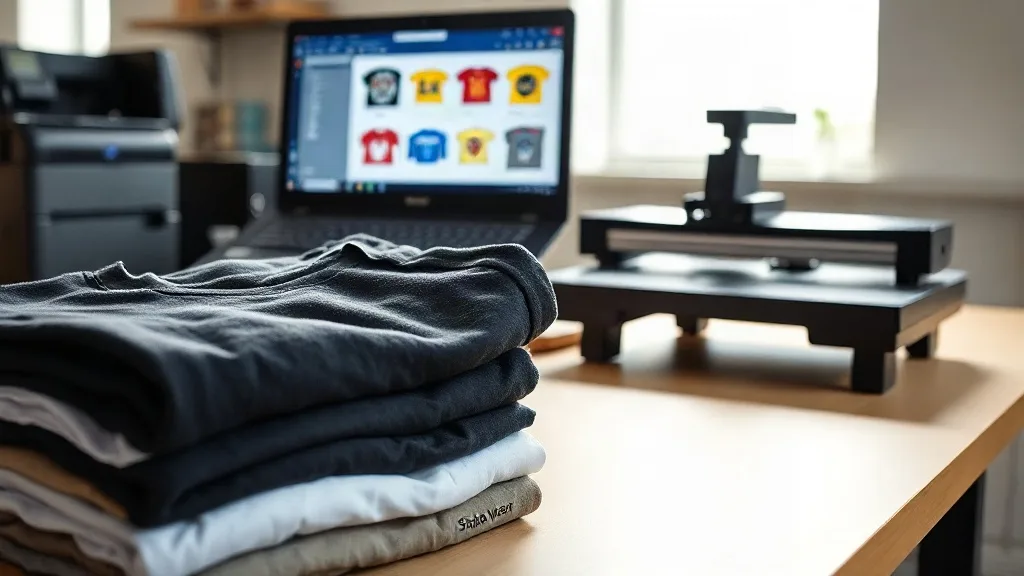
When it comes to producing vibrant, durable DTF prints that customers love, the blank you choose is just as important as the ink and film. shaka wear has quietly become a go-to brand for print shops that demand consistency, comfort, and printability. In this guide, we'll explore why shaka wear blanks pair so well with DTF technology, and how you can streamline your workflow with tools like the DTF Gangsheet Builder. Whether you're new to DTF or looking to refine your process, these insights will help you get the most out of every print.
Why Shaka Wear Blanks Are a DTF Printer's Best Friend
Shaka Wear has built a reputation for delivering heavyweight, ring-spun cotton tees that feel premium and hold up wash after wash. For DTF printers, the fabric composition and weave are critical: a smooth, tight-knit surface ensures the adhesive powder bonds evenly, while the right cotton-to-polyester ratio affects how the ink cures and how the final print feels. Shaka Wear's blanks are predominantly 100% cotton or cotton-rich blends, which means they take DTF transfers beautifully, with minimal ghosting or cracking.
Moreover, Shaka Wear's quality control is consistent. You won't find wild variations in fabric thickness or dye lots, which is a lifesaver when you're producing gangsheets for bulk orders. That consistency translates to fewer misprints, less waste, and happier customers.
Choosing the Right Shaka Wear Blank for Your DTF Project
Not all Shaka Wear styles are created equal when it comes to DTF. Here's a quick breakdown of the most popular options and their best use cases:
- Shaka Wear Heavyweight Tee (SHMHSS): 6.5 oz, 100% cotton. Ideal for bold, large prints that need a sturdy canvas. The heavyweight fabric minimizes the "hand" feel of the transfer, making it perfect for streetwear-inspired designs.
- Shaka Wear Classic Tee (SHASS): 5.5 oz, 100% cotton. A lighter option that's great for retail-style tees and promotional runs. The smoother surface works well with fine details.
- Shaka Wear Hoodie (SHFHS): 8 oz, cotton/poly fleece. DTF on hoodies requires careful pressing to avoid scorching the fleece; Shaka's tight weave helps prevent adhesive bleed.
Pro tip: Always check the fabric content. While 100% cotton is generally safe, poly blends can sometimes require lower pressing temperatures to prevent dye migration.
Maximizing Efficiency with the DTF Gangsheet Builder
If you're still manually laying out transfers, you're leaving money on the table. The DTF Gangsheet Builder is a game-changer for print shops that want to reduce film waste and speed up production. This intuitive tool lets you upload multiple designs, arrange them optimally, and generate a gangsheet that fits your exact film size. No more guesswork or wasted inches.
When combined with Shaka Wear blanks, the Gangsheet Builder allows you to standardize your workflow. Imagine pre-building gangsheets for your most popular Shaka Wear sizes and styles, so you can quickly replenish inventory or fulfill rush orders. The builder also helps you calculate ink usage and film costs, giving you tighter control over your profit margins.
Step-by-Step: Building a Gangsheet for Shaka Wear Tees
- Measure your Shaka Wear tee's print area. For a standard front print, aim for 11x11 inches; for a full back, 12x16 inches.
- Open the DTF Gangsheet Builder and select your film size (e.g., 13x19 inches for small batches).
- Upload your design files. The builder automatically nests them to minimize gaps.
- Adjust spacing to leave at least 0.25 inches between designs for clean cutting.
- Export the gangsheet and send it to your DTF printer. The builder even generates a cut line file for your plotter.
This process not only saves time but also ensures that every Shaka Wear blank gets a perfectly sized transfer, reducing waste and improving consistency.
Preparing Shaka Wear Blanks for DTF: Best Practices
Even the best blank can yield poor results if not prepped correctly. Here are essential steps to follow before pressing DTF transfers onto Shaka Wear garments:
- Pre-press to remove moisture: Cotton fibers can absorb ambient humidity, which can cause the transfer to bubble. Give your Shaka Wear tee a quick press (5-10 seconds) before applying the transfer.
- Use a lint roller: Shaka Wear's ring-spun cotton is soft, but it can shed lint. A quick roll ensures a clean surface for adhesion.
- Check for wrinkles: A wrinkle-free surface is crucial. Press the shirt flat, paying attention to seams and hems.
These small steps add up to big improvements in print quality and durability.
Common DTF Issues on Shaka Wear and How to Fix Them
Despite the compatibility, some challenges can arise. Here's how to troubleshoot:
- Adhesive bleed: If you notice a glossy outline around the print, reduce pressing temperature or time. Shaka's heavyweight fabric can handle higher heat, but the adhesive may ooze if overpressed.
- Peeling after wash: This often stems from insufficient pressure or incomplete curing. Ensure your press is calibrated and use a heat gun to check the transfer's edges.
- Color fading: If prints fade prematurely, it might be due to washing inside-out with harsh detergents. Advise your customers on proper care.
By addressing these issues proactively, you'll build a reputation for quality that keeps clients coming back.
Scaling Your Shop with Shaka Wear and DTF
Once you've mastered the basics, you can scale up. Consider offering custom neck labels or tagless prints using DTF on Shaka Wear blanks. The smooth surface of their tees is perfect for small, detailed transfers like labels or QR codes. Additionally, you can create sample packs for local businesses, showcasing the comfort and print quality of Shaka Wear. With the DTF Gangsheet Builder, you can produce these samples efficiently, maximizing your film usage.
Remember, consistency is key. Standardize your pressing parameters for each Shaka Wear style and keep a log. This data will help you maintain quality as you grow.
Frequently Asked Questions
Can I use DTF on all Shaka Wear fabrics?
Yes, DTF works on cotton, poly, and blends, but adjust pressing settings accordingly. For poly blends, lower the temperature to avoid dye migration.
What's the best way to store Shaka Wear blanks before printing?
Keep them in a dry, dust-free environment. Avoid stacking heavy items on top to prevent creases.
How do I choose the right film size for my Shaka Wear gangsheet?
Consider your typical order volume. For small batches, 13x19 inches is manageable; for bulk, opt for 24-inch rolls to maximize efficiency.
Do I need a special pretreat for Shaka Wear tees?
No, DTF doesn't require pretreat. However, pre-pressing to remove moisture is recommended.
How can I ensure my DTF prints last on Shaka Wear?
Follow proper washing instructions: turn inside out, use cold water, and avoid fabric softeners. Also, ensure your transfer is correctly cured.