
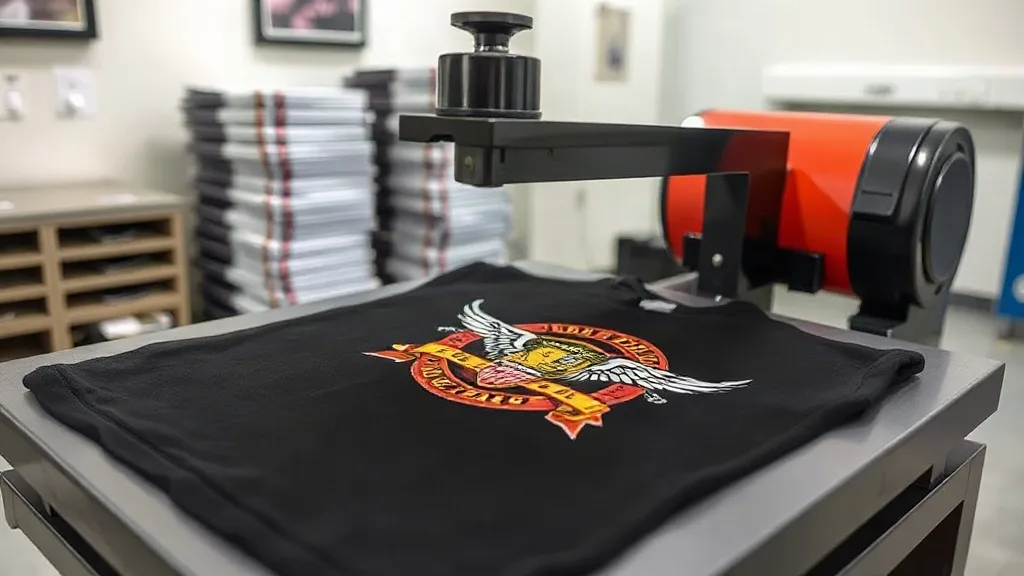
Custom apparel printing has evolved dramatically over the past decade, and one technology that has captured the attention of both hobbyists and industry professionals is dtf transfers. Unlike traditional methods that often require specialized equipment or minimum order quantities, DTF (Direct-to-Film) printing offers a flexible, cost-effective way to produce vibrant, durable designs on a wide range of fabrics. Whether you're a small business owner looking to expand your product line or an individual wanting to create personalized gifts, understanding DTF transfers can open up a world of possibilities.
What Are DTF Transfers?
DTF transfers are a digital printing method where designs are printed onto a special film, then coated with a heat-activated adhesive powder. Once the print is ready, it can be stored and later applied to garments using a heat press. The process eliminates the need for cutting or weeding, making it ideal for complex, multi-color designs. The result is a soft, stretchable print that adheres well to cotton, polyester, blends, and even some synthetic fabrics.
Why Choose DTF Transfers for Your Custom Apparel?
There are several compelling reasons why dtf transfers have become a go-to solution for custom apparel:
- Vibrant colors: DTF prints can reproduce intricate details and gradients with stunning accuracy, often surpassing screen printing for complex artwork.
- Fabric versatility: Unlike DTG (Direct-to-Garment) printing, which works best on 100% cotton, DTF transfers adhere well to polyester, blends, and even treated nylon, making them suitable for a wide range of garments.
- Durability: When applied correctly, DTF prints resist cracking, peeling, and fading, even after repeated washing.
- Cost-effective for short runs: With no minimum order quantity, DTF is perfect for small batches, one-offs, and personalized items.
- Easy to store and ship: DTF transfers can be printed in advance and stored for months, allowing for on-demand application without the need for immediate printing.
How DTF Transfers Work: A Step-by-Step Overview
Understanding the DTF process can help you appreciate the technology and make informed decisions when choosing a printing service. Here's a breakdown of the key steps:
- Design preparation: Your artwork is prepared digitally, ensuring it meets the requirements for DTF printing (e.g., proper color mode, resolution).
- Printing: The design is printed onto a special PET film using DTF printers and inks. A white ink layer is typically applied behind the color to ensure opacity on dark fabrics.
- Powder application: While the ink is still wet, a hot-melt adhesive powder is applied to the printed film. Excess powder is removed, and the film is cured to melt the powder.
- Transfer: The cured film is placed on the garment and pressed with a heat press at a specific temperature and pressure. The adhesive melts, bonding the print to the fabric.
- Peeling: After pressing, the film is peeled away (hot or cold peel, depending on the film type), leaving the design on the garment.
Each step requires precision, but once mastered, DTF offers a streamlined workflow for producing high-quality custom apparel.
Choosing the Right DTF Transfers Near You
If you're looking to incorporate DTF into your business or personal projects, finding a reliable supplier is crucial. Searching for dtf transfers near me can help you locate local services that offer quick turnaround and personalized support. When evaluating suppliers, consider the following factors:
- Print quality: Look for sharp details, vibrant colors, and consistent output.
- Film and powder quality: High-quality materials ensure durability and ease of application.
- Turnaround time: Especially important if you're fulfilling orders with tight deadlines.
- Customer service: Responsive support can make a big difference, especially when troubleshooting.
- Pricing: Compare costs per sheet or per print, but don't sacrifice quality for low prices.
Many online suppliers also offer nationwide shipping, so even if you can't find a local option, you can still access top-tier DTF transfers.
DTF vs. Other Printing Methods
To truly appreciate DTF transfers, it helps to compare them with other popular printing techniques:
DTF vs. Screen Printing
Screen printing is cost-effective for large orders but requires setup time and costs for each color. DTF shines for small batches and complex designs, with no setup fees and the ability to print full-color images in one pass.
DTF vs. DTG
DTG printing is limited to cotton fabrics and often requires pre-treatment. DTF works on a wider range of materials, including polyester and blends, and doesn't require pre-treatment, making it more versatile.
DTF vs. Vinyl
Heat transfer vinyl (HTV) is great for simple designs but is labor-intensive for multi-color or detailed artwork. DTF eliminates weeding and allows for intricate designs with gradients and fine lines.
Applications of DTF Transfers
DTF transfers are incredibly versatile and can be used for:
- Custom t-shirts and apparel: Perfect for small businesses, sports teams, events, and personal gifts.
- Promotional items: Add logos to tote bags, hats, and more.
- Home decor: Personalize pillowcases, aprons, and other fabric items.
- Fashion and boutique clothing: Create limited-edition designs without large inventory commitments.
Tips for Successful DTF Transfer Application
To ensure your DTF transfers look great and last long, follow these best practices:
- Pre-press the garment: Remove moisture and wrinkles before applying the transfer.
- Use the correct settings: Follow the supplier's recommended temperature, pressure, and time.
- Peel correctly: Some films require hot peel, others cold; know which type you have.
- Wash inside out: To prolong the life of the print, wash garments inside out in cold water and avoid harsh detergents.
Frequently Asked Questions
What fabrics can DTF transfers be applied to?
DTF transfers work on a wide range of fabrics, including cotton, polyester, blends, and some synthetics. They are not recommended for fabrics with special coatings or finishes that may prevent adhesion.
How long do DTF transfers last?
When applied correctly and cared for properly, DTF transfers can last as long as the garment itself. They resist cracking, peeling, and fading through many wash cycles.
Can I apply DTF transfers at home?
Yes, with a heat press and proper technique, you can apply DTF transfers at home. However, consistent results require practice and attention to detail.
Do I need special equipment to start a DTF printing business?
To produce DTF transfers, you'll need a DTF printer, curing oven (or heat press for curing), powder, and film. Alternatively, you can order pre-printed transfers from a supplier and focus on application.
How do I find reliable DTF transfers near me?
Search online for local DTF printing services, read reviews, and request samples to ensure quality. Many suppliers also offer shipping, so you can access high-quality transfers regardless of location.
DTF transfers have democratized custom apparel printing, making it accessible to businesses and individuals alike. By understanding the process, benefits, and best practices, you can leverage this technology to create stunning, durable designs that stand out.