
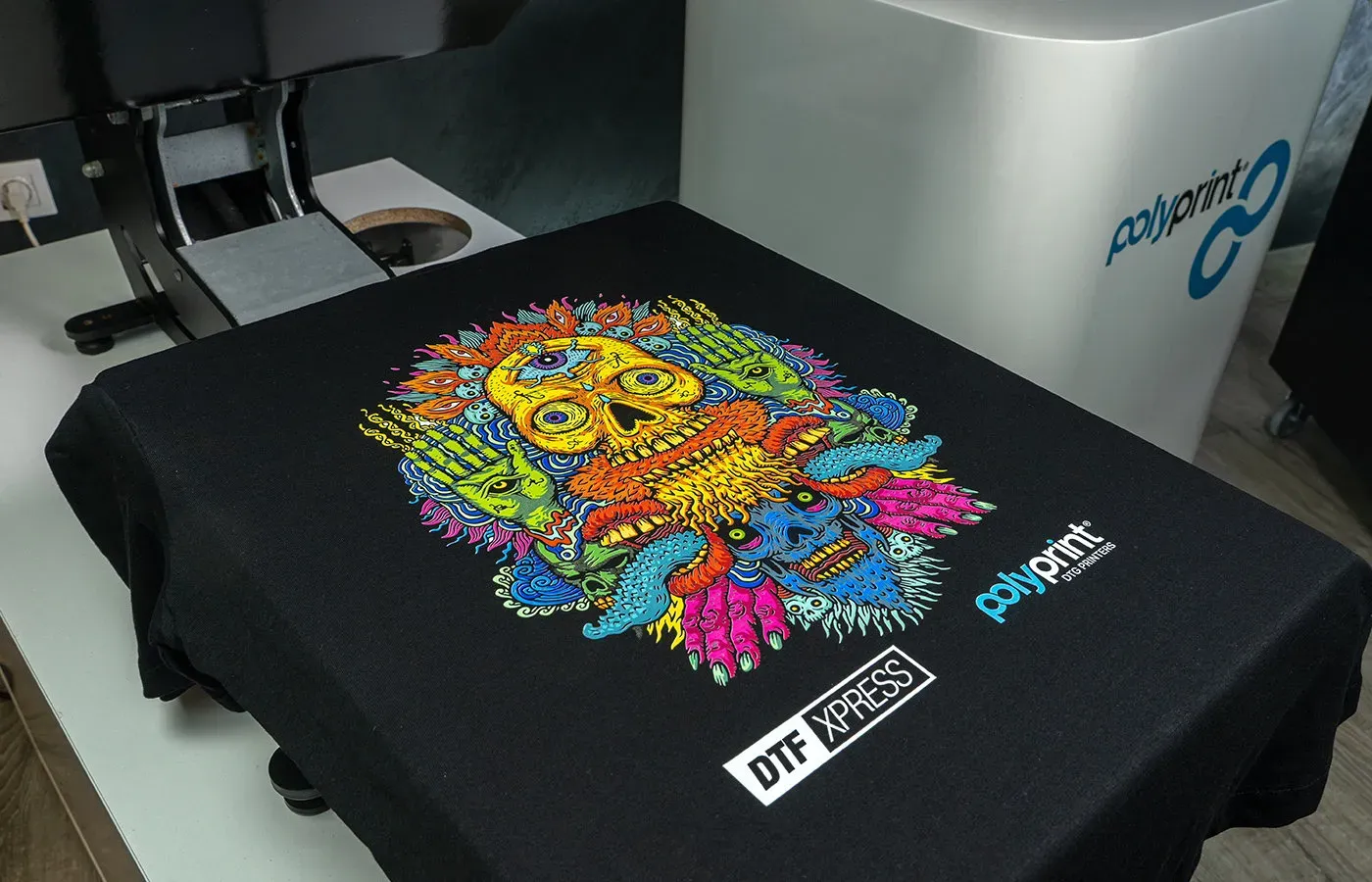
DTF printing, or Direct to Film printing, has quickly gained traction in the world of quality garment printing, positioning itself as a versatile alternative to traditional methods such as Direct to Garment (DTG) and sublimation printing. This innovative technique allows for vibrant designs to be printed directly onto a special film, which can then be transferred onto various fabric types with remarkable detail and durability. As businesses seek cost-effective solutions that maintain high-quality output, DTF presents a compelling choice. Its ability to work with a broader range of materials increases its appeal, especially for those looking to customize items beyond just cotton. In this article, we will explore the specifics of DTF printing and how it compares to other popular printing methods.
In the realm of garment decoration, Direct to Film printing has emerged as a game-changer among several printing technologies, including Direct to Garment and sublimation methods. By utilizing advanced transfer techniques, this modern approach allows for stunning visuals to be applied seamlessly to both fabric and non-fabric surfaces. As businesses aim for high-quality and adaptable printing solutions, the flexibility of DTF printing caters to numerous fabric types and artistic needs. This article offers insights into how DTF printing stacks up against its counterparts, showcasing its advantages in creating custom apparel with ease and efficiency. Let's dive into the details and understand why DTF might just be the go-to method for your printing projects.
Understanding the Basics of DTF Printing
Direct to Film (DTF) printing is an innovative technology in the garment printing industry that has gained attention for its efficiency and versatility. It involves printing high-quality images onto a special film, which is then transferred onto fabric using heat and pressure. What sets DTF apart from traditional methods like Direct to Garment (DTG) and sublimation printing is its ability to work on a wide variety of fabric types, including cotton, polyester, and blends. This flexibility makes it an ideal choice for custom prints and small batch orders.
The DTF process is not only impactful in terms of design quality but also optimizes production efficiency. Because it requires less setup time than DTG, businesses can enjoy quicker turnaround times on orders without sacrificing the intricacy and vibrancy of prints. This capability is vital in today's fast-paced market where individualization and speed are increasingly requested by consumers.
DTF vs. Direct to Garment (DTG) Printing
When comparing DTF printing to Direct to Garment (DTG) methods, several factors highlight the strengths of each technique. DTG is favored for its exceptional resolution and the ability to create stunning, direct prints on cotton fabrics; however, it has limitations regarding the types of materials it can effectively print on. In contrast, DTF printing excels by producing quality prints on various fabric types beyond just cotton, opening avenues for diverse applications in fashion and merchandising.
Additionally, durability is a major consideration when choosing between these methods. DTF prints tend to hold up better over time on multiple garment types, making them an excellent option for items that will undergo frequent washing and wear. This durability, paired with the ease of use and quicker setup times associated with DTF, makes it a compelling choice for businesses looking to offer a wide array of quality garment printing options.
Exploring the Advantages of DTF Printing
One of the significant advantages of DTF printing is its diverse material compatibility. Unlike sublimation printing, which primarily requires polyester-based fabrics, DTF can effectively print on both synthetic and natural fibers. This capability is especially beneficial for businesses that want to offer a broader range of products, including unique items made from different fabric types.
Moreover, the quality of DTF prints is remarkable. Utilizing advanced ink formulations and transfer films, the prints are known for their vibrancy and longevity. This ensures that your designs will not only stand out but will also resist fading over time, providing excellent value to both businesses and consumers alike.
Cost-Effectiveness in DTF Production
Cost considerations play a crucial role when opting for printing methods, especially for small businesses and entrepreneurs. DTF printing generally demonstrates a more cost-effective solution for shorter runs and custom orders, as it eliminates the extensive setup work associated with sublimation printing. Additionally, with fewer resources needed to produce DTF prints, businesses can operate with reduced overheads while still achieving high-quality results.
As orders are fulfilled quicker within shorter timelines, businesses can better respond to evolving customer demands which is advantageous in a competitive marketplace. This financial flexibility enables print companies to cater to diverse client needs without incurring prohibitive costs, making DTF a smart choice for contemporary printing strategies.
The Future of DTF and General Printing Technology Trends
With the advancements in digital printing technology, DTF printing is positioned to continue evolving. Recent innovations have greatly enhanced the quality of inks and transfer films used in the DTF process. As these improvements come into play, DTF is likely to rival and potentially surpass traditional methods like DTG and sublimation in terms of versatility and print quality.
Moreover, sustainability is becoming increasingly important within the printing industry. DTF technology has the potential to incorporate eco-friendly inks and materials, appealing to environmentally conscious consumers and brands alike. As society trends toward sustainable practices, DTF’s ability to adhere to this demand could bolster its reputation as a leading method in garment printing.
Making Informed Choices: DTF, DTG, and Sublimation
When selecting between DTF, DTG, or sublimation printing methods, it's essential to evaluate specific needs including fabric type, design requirements, and budget constraints. For businesses focused on high volume production with cotton materials, DTG might be the more suitable choice. However, if there’s a need for versatility across multiple fabric types or the desire to create unique custom designs quickly, DTF stands out prominently.
On the other hand, if vibrancy and durability on polyester fabrics are the priority, sublimation printing remains an excellent option. Ultimately, understanding the nuances of each technique allows businesses and creatives to select the most effective method for their unique printing goals, enhancing productivity while ensuring high-quality results.
Frequently Asked Questions
What is DTF printing and how does it work?
DTF printing, or Direct to Film printing, is a technique where designs are printed onto a special film and then transferred to fabric using heat and pressure. This method allows for the production of high-quality images on a variety of fabric types, making it a versatile choice for garment printing.
How does DTF printing compare to Direct to Garment (DTG) printing?
While both DTF and Direct to Garment (DTG) printing produce detailed prints, DTF offers greater flexibility with different fabric types. DTG is primarily suited for 100% cotton, whereas DTF can print on cotton blends and synthetic fabrics, providing more options for quality garment printing.
Can DTF printing be used on all fabric types?
Yes, DTF printing excels on various fabric types, including cotton, polyester, and other synthetic blends. This versatility makes DTF an excellent choice when compared to other methods like sublimation printing, which is limited to polyester materials.
What are the advantages of DTF printing over sublimation printing?
DTF printing offers several advantages over sublimation, including compatibility with a broader range of fabrics beyond just polyester. Additionally, DTF printing typically has a shorter setup time and can be more cost-effective for small runs, making it a favorable option for quick custom designs.
Is DTF printing more cost-effective than other printing methods?
DTF printing can be more cost-effective, especially for smaller production runs due to its shorter setup times and less labor-intensive processes compared to methods like DTG and sublimation printing, which often require significant prep work.
What trends are shaping the future of DTF printing?
Emerging technologies in ink formulations and film quality are enhancing DTF printing outputs. Additionally, the growing consumer interest in sustainability is pushing DTF to adopt eco-friendly inks and materials, aligning it with current trends in quality garment printing.
| Aspect | DTF Printing | DTG Printing | Sublimation Printing |
|---|---|---|---|
| Overview | Direct to Film (DTF) prints designs onto a special film, then transfers them to fabric using heat and pressure. | Direct to Garment (DTG) prints directly onto fabrics, primarily cotton. | Sublimation printing applies designs to polyester or polymer-coated materials, embedding the dye into the fabric. |
| Fabric Flexibility | Can print on a variety of fabrics including cotton, blends, and non-fabric items. | Best suited for 100% cotton garments; limited versatility. | Restricted to polyester, making it less versatile for fabric choices. |
| Setup Time | Shorter setup time allows quick production for custom items. | Longer setup due to adjustments for different fabric types. | Requires significant prep work, leading to longer setups. |
| Quality and Durability | Produces high-quality, durable prints, particularly on various fabrics. | High-resolution prints, but durability can vary based on the fabric. | Highly vibrant colors embedded in the fabric, but limited fabric compatibility. |
| Cost Efficiency | More economical for shorter runs due to quicker setups and less labor. | More economical for larger batch runs due to efficiency but may not be cost-effective for short runs. | Can be expensive due to the extensive preparation required for each print run. |
Summary
DTF printing has emerged as a revolutionary method in the world of garment printing, offering a compelling alternative to traditional techniques like Direct to Garment and sublimation. This technique allows for high-quality prints on a wide range of fabrics, making it a flexible and efficient choice for various applications. With its quick setup and adaptability for small orders, DTF printing caters to the modern market's need for rapid production and customization. As technology advances, DTF stands ready to meet the demands of quality and sustainability, solidifying its place as a leader in the future of printing.