
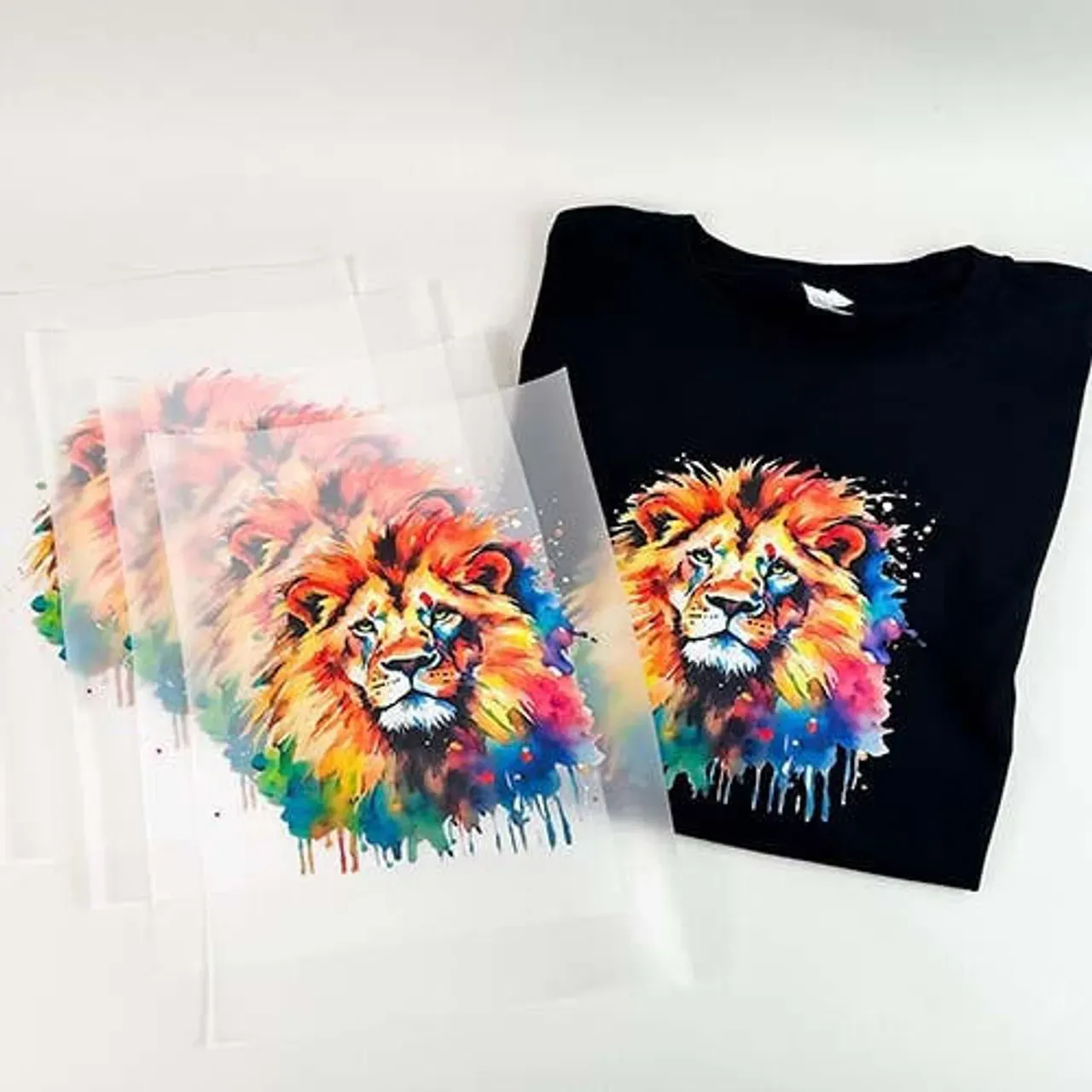
DTF transfers, or Direct-to-Film transfers, are rapidly gaining popularity in the world of fabric printing. This innovative technique offers a unique approach to creating stunning apparel designs that are both vibrant and durable. For beginners eager to explore DTF printing, having a solid understanding of essential tips and tricks is crucial for achieving remarkable results. In this guide, we will delve into key insights that will equip you to navigate your DTF transfer journey effectively. As you embark on this exciting venture, mastering the art of DTF printing will ensure your creations shine, allowing you to stand out in a competitive market.
Direct-to-Film printing is an advanced method that has emerged as a game-changer in fabric decoration. Utilizing high-quality transfer films, this process enables designers to print complex and colorful images directly onto textiles, resulting in exceptional clarity and detail. Whether referred to as heat transfer printing or film-based application, the appeal of DTF transfers lies in their versatility and ease of use. Aspiring crafters will benefit from understanding the nuances of heat presses and ink selection to optimize results. By exploring these alternative terms and concepts, you can gain a comprehensive grasp of DTF techniques that pave the way for your creative success.
What is DTF Printing?
Direct-to-Film (DTF) printing has emerged as a leading technique in the textile industry for transforming how designs are applied to garments. Unlike conventional methods, DTF printing uses specialized transfer films, allowing users to print intricate patterns directly onto these films and transfer them onto a wide array of fabrics. This method not only guarantees vibrant colors and high definition but also ensures that the printed designs are flexible and soft, which enhances comfort for the wearer.
Furthermore, the versatility of DTF printing opens new creative avenues for designers and apparel businesses. It efficiently works with various materials, including cotton and polyester, which broadens its applicability compared to traditional direct-to-garment (DTG) methods. As a result, DTF printing holds significant potential for custom apparel businesses, allowing them to cater to diverse client needs.
The Essential Equipment for DTF Transfers
When starting with DTF transfers, having the right equipment is crucial to ensure a smooth and efficient printing process. A quality DTF printer should be at the top of your list; it needs to be compatible with DTF inks to produce the best outcomes. Popular brands within the community, such as Epson or Brother, are recommended for their reliable performance. Additionally, investing in high-quality transfer films is key, as the final print's vibrancy and adherence depend on the film's quality used during the transfer process.
Another indispensable tool in your DTF printing arsenal is a heat press machine. This equipment is not merely for transferring your designs; it plays a vital role in achieving the perfect temperature and pressure required to get the most out of your DTF transfers. Look for a heat press that allows for precise adjustments to temperature and pressure settings, as these parameters can significantly impact the quality of your final prints.
Tips for Choosing Quality DTF Inks
Selecting the right DTF inks is critical for ensuring the durability and vibrancy of your designs. High-quality inks yield better adhesion, resulting in prints that last through numerous washes and regular wear. Brands like DTFTech and Supacolor have gained recognition for their reliable and vibrant inks, which are formulated specifically for DTF printing. Investing in these inks can save you from issues related to fading and peeling down the line.
Moreover, always check the wash-fastness ratings of the inks, as this will determine how well your prints hold up over time. As a beginner, it’s also advisable to start with a smaller quantity of inks to test their compatibility with your specific DTF setup before committing to larger bulk purchases.
Pre-Press Techniques for DTF Transfers
Pre-pressing your fabric is a crucial step that many beginners may overlook. By applying heat to the fabric for around 5 seconds before laying down your DTF transfer, you can eliminate any moisture and wrinkles that may interfere with the transfer process. This simple technique enhances adhesion, ensuring that the print not only appears crisp but also stays securely attached to the fabric.
Additionally, preparing the fabric properly can facilitate smoother printing results. Fabrics that are moist or wrinkled may lead to uneven application of the transfer, resulting in a blotchy appearance. Pre-pressing ensures a clean surface, allowing the vibrant colors of DTF inks to shine through, ultimately making your final product visually appealing.
Fine-Tuning Your DTF Printing Settings
Proper tuning of your DTF printer settings is essential for producing high-quality prints that resonate with customers. Each DTF printer has its unique specifications, and adjusting settings such as color density and print speed can significantly improve the outcomes. To find the ideal configuration, conduct a series of test prints with varying settings, and pay attention to how each setting impacts the final design.
Furthermore, being methodical in your approach can save valuable time and resources. Create a record of your successful settings for different fabric types and designs to streamline future printing jobs and minimize trial and error as you grow more familiar with your equipment.
Best Practices for Applying Heat
Heat application is a pivotal part of the DTF transfer process that directly influences the quality of the final product. Ensure your heat press reaches the right temperature, typically between 300°F and 330°F, as specified for DTF transfers. Employing the heat press ensures even distribution of heat, which is necessary for achieving proper adhesion of the transfer to the fabric.
Moreover, equal pressure across the area of the transfer is vital. High-pressure levels can lead to over-compression and degrade the print quality, while too low pressure might result in poor adhesion. Always adjust the pressure based on the thickness of the fabric being used; doing so will enable optimal results and enhance the longevity of your printed designs.
Frequently Asked Questions
What is DTF printing and how does it work?
DTF printing, or Direct-to-Film printing, involves printing designs onto a special transfer film. This film is then applied to various fabric types using a heat press, allowing for vibrant, detailed prints. This method is known for its versatility as it can effectively print on materials such as cotton and polyester.
What equipment do I need to start with DTF transfers?
To start with DTF transfers, you'll need a reliable DTF printer, high-quality transfer film specifically designed for DTF printing, and a good heat press machine. Ensuring your equipment meets the specifications for DTF printing is crucial for optimal results.
How do I prepare my fabric for DTF transfers?
Before applying DTF transfers, pre-press the fabric for about 5 seconds to remove moisture and wrinkles. This prepares the surface for better adhesion and ensures that your print appears crisp on the garment.
What are the ideal temperature and pressure settings for applying DTF transfers?
The ideal temperature for pressing DTF transfers is between 300°F and 330°F. It's important to apply equal pressure across the transfer area, adjusting the pressure based on the thickness of the fabric for optimal adhesion.
What should I do if my DTF prints are peeling or fading?
If your DTF prints are peeling or fading, first check the pressure and temperature settings used during application. Additionally, ensure the quality of your inks and films is high. Regular cleaning of your printing equipment can also prevent these issues.
What washing instructions should I follow to care for DTF printed garments?
To prolong the life of DTF printed garments, wash them inside out in cold water. Avoid using bleach and strong detergents to maintain the vibrancy of your prints and ensure they stay looking new for longer.
| Key Point | Description |
|---|---|
| Understanding DTF Printing | DTF printing allows for vibrant designs on various fabrics through transfer films. |
| Essential Equipment | DTF printer, quality transfer films, and a heat press machine are necessary. |
| Choosing the Right Inks | Inks must be high-quality and wash-fast for durability and vibrancy. |
| Pre-Press Preparation | Pre-press the fabric to remove moisture and enhance print adhesion. |
| Fine-tune Printing Settings | Adjusting color density and print speed leads to better outcomes. |
| Correct Heat Application | Heat settings between 300°F and 330°F with equal pressure are crucial. |
| Post-Press Care | Cooling and specific washing instructions prolong print life. |
| Troubleshooting Common Issues | Regular calibration and quality checks can solve print quality problems. |
Summary
DTF Transfers are a transformative innovation in the apparel printing sector, enabling creators to produce intricate and vivid designs with remarkable efficiency. By understanding the foundational principles of DTF printing, investing in quality equipment, and implementing effective post-press care, beginners can significantly enhance their proficiency. Mastering techniques such as correct heat application and fine-tuning printer settings is essential for achieving high-quality prints. This comprehensive approach not only supports longevity in product quality but also fosters creativity and innovation in design. As you embark on this exciting journey, remember that continual practice and experimentation will elevate your competency in the evolving world of DTF Transfers.