
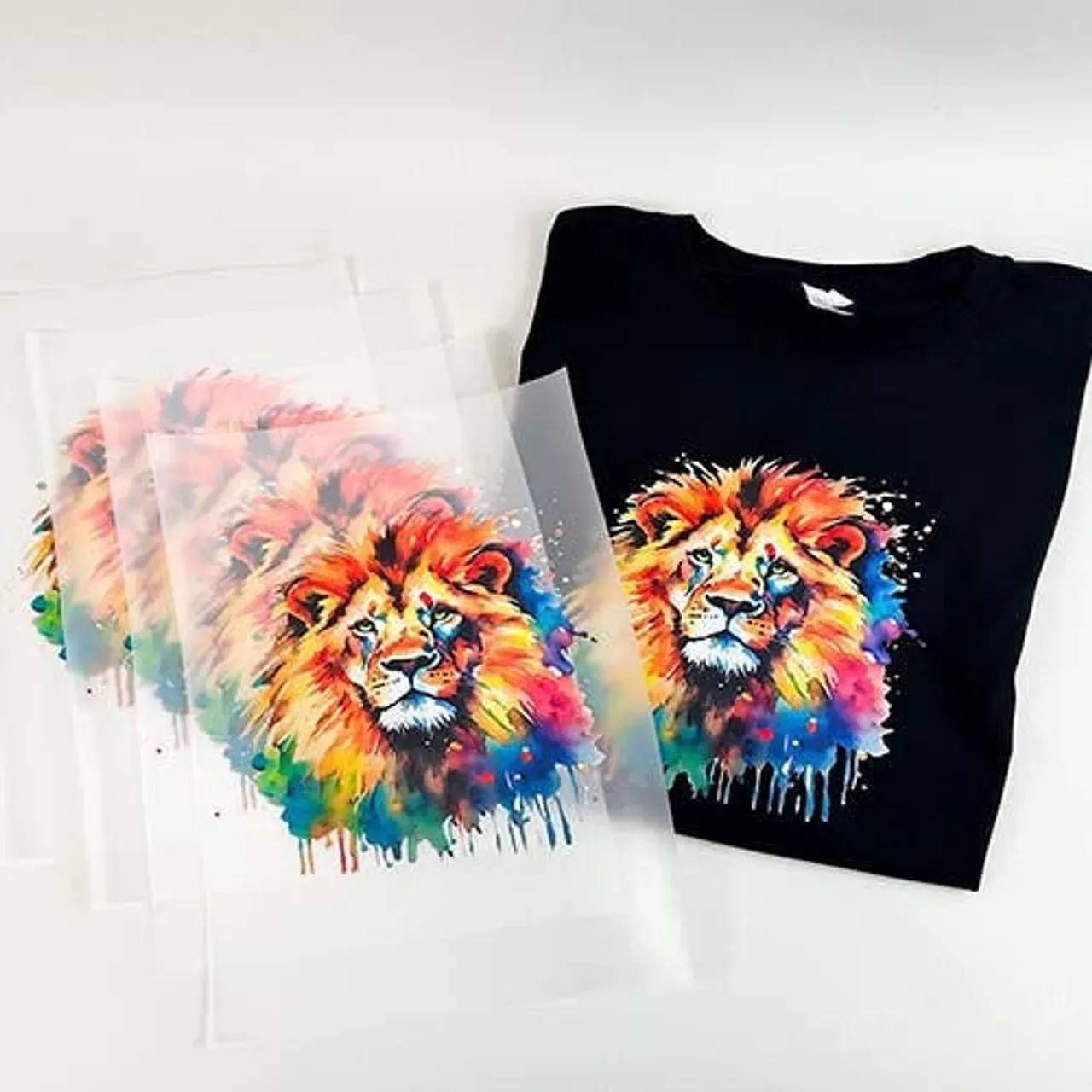
DTF Transfers, or Direct-to-Film transfers, have revolutionized the realm of custom garment decoration, introducing a vibrant way to personalize apparel. This innovative printing technique allows for detailed and colorful designs to be applied to a variety of fabrics, breaking away from traditional limitations. As the demand for unique and sustainable printing solutions grows, DTF transfers stand out for their ability to deliver high-quality prints while minimizing waste. With the rise of eco-conscious consumers, businesses are increasingly recognizing the potential of DTF printing as a sustainable option in the garment industry. In this article, we’ll explore the advantages, applications, and future of DTF transfers in the world of custom apparel.
Known by various names such as Direct-to-Film printing and DTF technology, this method is becoming a popular choice for those looking to enhance their custom garment offerings. As the landscape of fabric decoration shifts, more brands are adopting this versatile printing technique to produce intricate designs while focusing on sustainability and reducing environmental impact. The evolution of DTF technology aligns perfectly with the needs of businesses seeking to provide personalized apparel while adhering to eco-friendly practices. In this overview, we will investigate how DTF transfers are changing the narrative around garment printing and the many opportunities they present within the custom apparel market.
Understanding Direct-to-Film (DTF) Transfers
Direct-to-Film (DTF) transfers represent a breakthrough in the world of custom garment decoration. This innovative printing technique involves first printing designs onto a specialized film, followed by a heat transfer onto fabric, resulting in stunning visuals and durability. The DTF process is gaining recognition for its ability to produce vivid and intricate designs that are not only visually appealing but also stand the test of time, making them ideal for high-demand fashion markets.
As a result, businesses are increasingly turning to DTF transfers to elevate their custom apparel offerings. With the potential to print on a variety of materials, including polyester, blends, and cotton, DTF technology opens up new doors for creativity in fashion design. This versatility, combined with the high quality achieved, ensures that DTF transfers are not just a passing trend but a significant evolution in garment decoration.
The Advantages of DTF Printing Technology
One of the standout benefits of DTF printing is its efficiency in producing high-quality custom designs. Traditional printing methods can be time-consuming and often yield less vibrant results, whereas DTF transfers are executed using modern techniques that ensure the ink adheres properly, resulting in sharp, detailed images. Furthermore, the ability to print on-demand reduces excess inventory, making it a financially sound option for many businesses.
Additionally, DTF printing technology accommodates smaller productions, which is particularly appealing for startups or artisan shops focused on bespoke garment creation. This democratization of printing technology allows even those with limited resources to compete in markets flooded with mass-produced apparel, thus enhancing creativity and uniqueness within the fashion landscape.
Sustainability and DTF Transfers
In today's eco-conscious marketplace, sustainability is a key consideration for both brands and consumers. DTF printing aligns with environmentally friendly practices due to its minimal waste generation compared to traditional methods such as screen printing. By directly applying designs to fabric, DTF minimizes ink and materials wastage, making it a sustainable choice for custom apparel production.
Moreover, the use of water-based inks in DTF printing not only reduces harmful environmental impacts but also caters to a growing demographic of eco-friendly consumers. As businesses strive to adopt more responsible manufacturing processes, DTF technology stands out as a viable method for producing custom garments while prioritizing sustainability.
Market Trends in DTF Transfers and Custom Apparel
The upward trend in the custom garment decoration market reflects an increasing consumer appetite for personalized apparel. DTF transfers have emerged as a popular option among businesses looking to meet this demand without sacrificing quality or detail in prints. According to market reports, the DTF printing sector is anticipated to experience significant growth, as brands adopt this technology to differentiate their offerings in an increasingly competitive space.
This trend is fueled by the rise of e-commerce and social media, where custom designs can quickly attract attention and engage consumers. As a result, more companies are investing in DTF technologies to maintain relevance and appeal within niche markets, reinforcing the technique's position as a leading choice for high-quality custom garment decoration.
Versatile Applications of DTF Transfers
DTF transfers are remarkably versatile, making them suitable for a wide range of applications in the custom garment industry. From vibrant sportswear to fashionable promotional items, DTF technology allows for the seamless incorporation of detailed graphics and logos onto various fabric types. This flexibility provides businesses with the opportunity to produce diverse product lines that cater to specific consumer tastes and preferences.
Beyond standard clothing, DTF transfers can also be utilized in accessories and home decor items, further expanding the scope of custom garment decoration. By leveraging the capabilities of DTF technology, brands can create unique offerings that stand out in the market, ensuring that customers can find personalized products that resonate with their individual style.
Challenges and Considerations for DTF Printing
Despite its many advantages, adopting DTF transfer technology presents certain challenges for businesses. The initial investment required for high-quality DTF printers can be significant, and smaller enterprises may find it difficult to allocate funds for such equipment. However, the long-term benefits, including reduced production costs and the ability to generate higher-quality prints, often justify this upfront expenditure.
Furthermore, there is a learning curve associated with mastering DTF printing techniques, as businesses must invest time in training to achieve optimal results. Understanding the intricacies of the printing process, from selecting the right inks to perfecting the heat application, is crucial for producing professional-grade custom garments consistently.
Frequently Asked Questions
What are DTF transfers and how do they work in custom garment decoration?
**DTF transfers**, or Direct-to-Film transfers, are a printing method where designs are printed onto a special film and then heat-pressed onto garments. This method allows for vibrant, durable, and detailed designs on various fabric types, making it a popular choice in custom garment decoration.
How does DTF printing compare to traditional screen printing in terms of sustainability?
**DTF printing** is considered more sustainable than traditional screen printing as it generates less waste and typically uses water-based inks. This eco-friendly approach minimizes the environmental impact of custom apparel production, aligning with current sustainability trends.
What types of garments can benefit from DTF transfers?
**DTF transfers** are highly versatile and can be applied to a wide range of garments, including sportswear, promotional items, and fashion apparel. They work effectively on various fabrics like cotton, polyester, and blends, enabling customization across different clothing lines.
What are the benefits of using DTF transfers for custom apparel production?
The benefits of using **DTF transfers** include high-quality, vibrant prints that adhere well to diverse fabrics, reduced production waste, and the ability to easily create customized designs. These factors make DTF printing a cost-effective and efficient option for custom garment decoration.
What should new businesses know about investing in DTF printing technology?
New businesses considering **DTF printing** should be aware of the initial investment costs associated with high-quality printers. However, advancements in technology have made these printers more affordable. Investing in DTF printing can offer long-term advantages, including the ability to produce personalized apparel efficiently.
Are there any challenges associated with DTF transfers?
Yes, while **DTF transfers** offer many advantages, challenges include the initial investment costs for equipment and a learning curve for mastering the printing process. New users may need to allocate time for training to achieve consistent, high-quality results.
| Aspect | Details |
|---|---|
| What are DTF Transfers? | DTF transfers involve printing designs onto a film, which is then transferred to a garment using heat and pressure, producing vibrant, durable prints. |
| Key Components | 1. Heat transfer process with specialized inks. 2. Use of adhesive powder for ink fabric bonding. 3. Versatile compatibility with various fabric types. |
| Market Growth | The DTF printing market is projected to grow at a CAGR of 8.74% from 2023 to 2030, driven by increasing consumer demand for personalized apparel and cost-effective production. |
| Technological Advancements | Improvements in ink formulation and accessibility of user-friendly, high-efficiency printers for small businesses. |
| Sustainability | DTF transfers reduce waste compared to traditional methods and often use water-based inks, aligning with eco-friendly practices. |
| Versatility | DTF printing is suitable for various applications including sportswear, promotional items, fashion apparel, and works on diverse fabrics like polyester and nylon. |
| Challenges | Initial investment costs for quality printers and a learning curve associated with mastering the printing process may pose challenges for new businesses. |
Summary
DTF Transfers represent a transformative shift in the world of custom garment decoration, emphasizing quality, versatility, and sustainability. This innovative printing method not only produces stunning, high-resolution designs but also addresses modern consumers' demand for eco-friendly practices. As the market for personalized apparel continues to flourish, DTF Transfers stand poised to become an essential tool for both businesses and fashion enthusiasts looking to make their mark. Embracing DTF technology isn't just about keeping up with trends; it is about leading in creativity and responsibility within the apparel industry.