
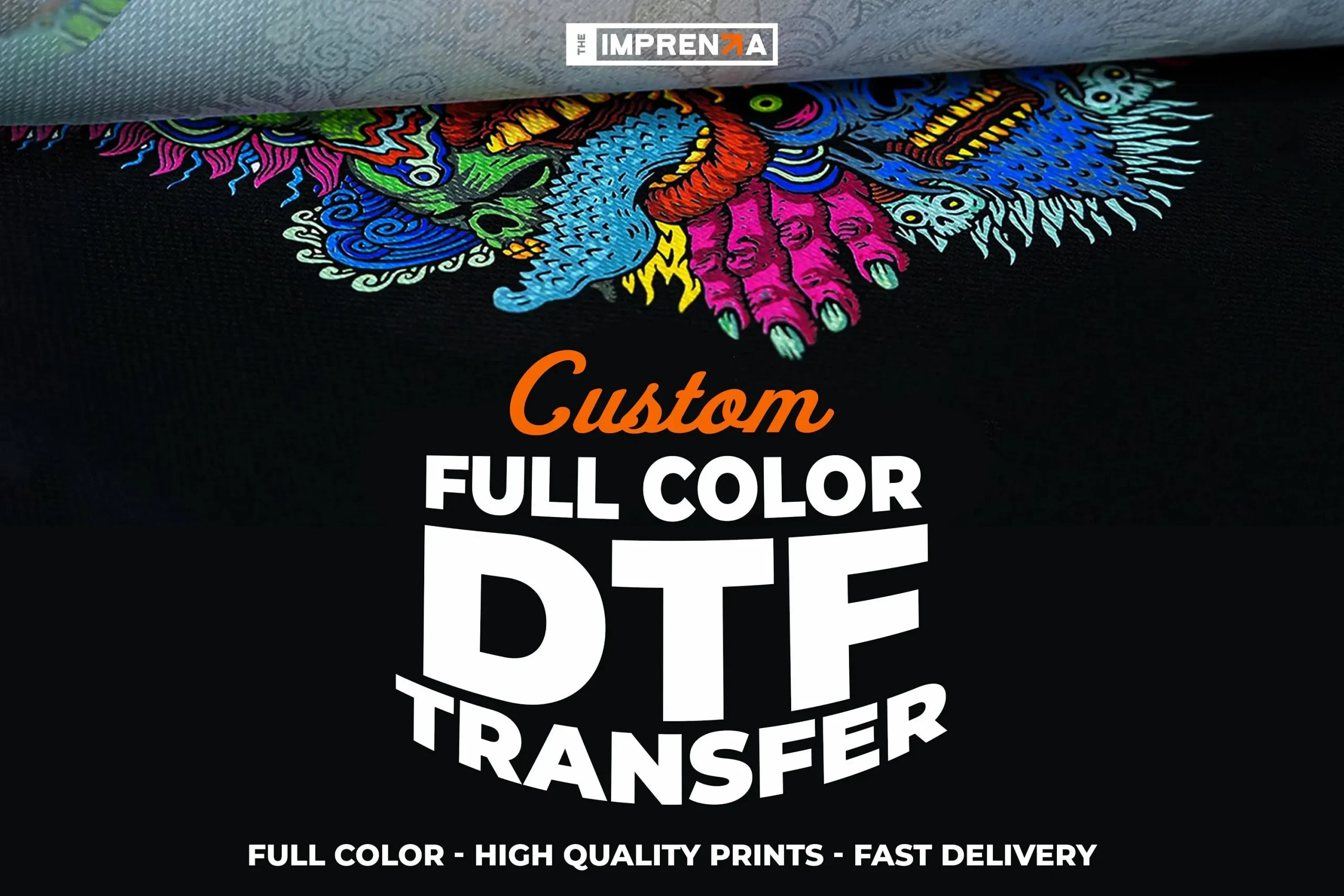
In the dynamic landscape of printing technology, DTF transfers are emerging as a groundbreaking method that is reshaping how custom graphics are produced on fabric. Short for Direct-to-Film printing, this innovative technique allows manufacturers to create high-resolution prints with exceptional quality and detail, positioning DTF as a preferred choice for businesses looking for efficiency and versatility. This post will delve into the advantages of DTF transfers, underscoring their significance in revolutionizing the printing industry and meeting the growing demand for customized products. As this printing technology continues to evolve, understanding DTF’s unique benefits will help businesses and consumers alike navigate this new era of creative possibilities. Join us in exploring the vestige of DTF that is already reshaping traditional printing practices.
Direct-to-Film (DTF) printing, an advanced custom printing solution, is gaining traction for its impressive capabilities and wide range of applications. This method is quickly distinguishing itself within the printing industry, not only for its quality but also for its efficiency, making it an essential player in modern production processes. The versatility offered by DTF enables businesses to cater to various fabric types and graphic demands, greatly enhancing their service offerings. Additionally, with its cost-effectiveness and user-friendly approach, DTF printing is simplifying the landscape for those looking to create personalized items. As this technology establishes itself further, we explore the nuances behind this innovative printing method and its potential to overshadow traditional techniques.
Understanding DTF Transfers: A Modern Approach to Printing
Direct-to-Film (DTF) transfers represent one of the most innovative advancements in modern printing techniques. Unlike traditional methods, DTF printing involves printing designs directly onto a specialized film, which is then transferred onto various fabric types. This process utilizes cutting-edge technology that ensures high-resolution images are embedded deep into the fabric fibers, making them vibrant and long-lasting. With this technique, businesses can achieve crisp details and dynamic colors that are crucial for capturing customer attention.
The mechanics behind DTF printing involve using a DTF printer to create the initial print on the film, followed by the application of adhesive powder. When heat is applied through a heat press, the adhesive cures and bonds the print onto the fabric. This meticulous process allows for a level of detail and depth that is often unattainable with conventional printing methods, demonstrating how DTF transfers are setting a new standard in custom graphics production.
The Benefits of DTF Transfers: Why Choose This Method?
DTF printing comes with a multitude of advantages that have made it increasingly popular among businesses looking to enhance their printing capabilities. First and foremost, the quality of the prints produced through DTF is unmatched; fine details and vibrant colors represent a major leap forward in the custom printing landscape. This is particularly important for businesses that offer personalized products, as customers seek high-quality impressions that reflect their unique style and preferences.
Another significant benefit is the versatility of DTF transfers. This technique is not limited to common fabrics such as cotton or polyester; it can be effectively applied to a range of materials, including wood and metal. This adaptability provides businesses with the opportunity to diversify their product offerings without needing to invest in multiple different printing systems, thereby streamlining operations and increasing market responsiveness.
Exploring DTF Printing Advantages for Small Businesses
One of the standout advantages of DTF printing is its cost-effectiveness, particularly for small and medium enterprises (SMEs). In traditional screen printing, costs can escalate quickly with setup fees and minimum order requirements. Conversely, DTF technology allows businesses to print short runs economically, making it a fantastic option for personalized items or on-demand production without breaking the bank.
The speed and efficiency of the DTF process also significantly contribute to its appeal. Quick turnaround times mean that businesses can respond more rapidly to customer demands and market trends, which is essential in today's fast-paced retail environment. This agility not only enhances customer satisfaction but also positions businesses to capitalize on emerging opportunities more effectively.
The Rise of DTF Transfers in Custom Printing
In recent years, the demand for personalized products has surged, driving businesses to seek innovative solutions that can meet customer needs effectively. DTF printing has emerged as a frontrunner in this domain, offering a unique method to create customized fabrics efficiently. As consumer preferences shift towards unique, tailor-made products, DTF technology provides businesses with a way to fulfill these demands while maintaining profitability.
This trend is reinforced by industry insights that highlight the growing adoption of DTF among various sectors, particularly in e-commerce. As online shopping continues to rise, the ability to offer personalized items quickly and in smaller batches has become crucial. Businesses leveraging DTF transfers can better meet modern consumer expectations, positioning themselves for success in competitive markets.
DTF in the Context of Sustainable Printing Practices
With an increasing focus on sustainability, DTF transfers present an environmentally-conscious alternative to many traditional printing methods. Traditional techniques often produce significant waste and require extensive resources, whereas DTF technology minimizes these impacts through greater efficiency. This lower environmental footprint resonates well with today's eco-aware consumers, who are increasingly inclined to support brands that prioritize sustainability.
Furthermore, the DTF printing process generates less waste, as it allows for precise application and eliminates excess materials. This alignment with sustainable practices not only helps businesses reduce their impact on the planet but also appeals to a growing market segment that seeks responsible consumerism. By adopting DTF transfers, companies can enhance their brand image as environmentally responsible while still delivering high-quality printed products.
The Future of DTF Transfers in the Printing Industry
As technology advances, the potential for DTF transfers to evolve continues to expand. Innovations in printing capabilities, efficiency, and material applications will likely enhance the effectiveness of DTF technology, pushing the boundaries of what is currently possible in custom printing. Businesses that stay abreast of these developments and embrace the opportunities that DTF presents will undoubtedly lead in the changing landscape of the printing industry.
Moreover, as the market for personalization grows, DTF transfers are poised to play a vital role in shaping new trends. Companies that integrate this technology into their business practices will not only meet current consumer demands but also anticipate future preferences. The integration of DTF printing will thus be pivotal in maintaining a competitive edge in a rapidly evolving marketplace.
Frequently Asked Questions
What is the process of DTF transfers in printing technology?
DTF transfers utilize a unique process where designs are printed onto a special film, which is then transferred to fabric using heat and adhesive powder. This ensures high-resolution prints that are both vibrant and durable.
What are the advantages of using DTF printing for custom apparel?
DTF printing offers several advantages for custom apparel, including high-quality, detailed prints, versatility across various fabrics, and cost-effectiveness for short runs, making it ideal for small to medium-sized businesses.
How does DTF transfers technology compare to traditional screen printing?
Unlike traditional screen printing, which can be costly and time-consuming for small orders, DTF transfers provide a more efficient and economical solution, allowing businesses to produce quality custom prints quickly without extensive setup.
Can DTF transfers be used on different types of fabrics?
Yes, one of the key benefits of DTF transfers is their versatility; they can be applied to a wide range of fabrics, including cotton, polyester blends, and even rigid materials like wood and metal.
Why is DTF printing gaining popularity in the custom printing market?
DTF printing is becoming popular due to the rising demand for personalized products, its ability to produce items on-demand quickly, and its alignment with modern consumer preferences for customization.
Is DTF technology an environmentally friendly option in printing?
Yes, DTF technology is considered more environmentally friendly compared to traditional methods because it generates less waste and requires fewer resources, appealing to environmentally-conscious consumers.
| Key Points | Description |
|---|---|
| What are DTF Transfers? | Innovative printing technique that uses a special process to print designs onto a film, which is then transferred onto fabrics, resulting in high-quality prints. |
| Advantages of DTF Transfers | 1. High Quality and Detail: Produces vibrant, intricate designs. 2. Versatility: Works on various fabric types and surfaces. 3. Cost-Effective: Ideal for short runs, minimizing overhead costs. 4. Ease of Use: Simplifies printing process without the need for complex equipment. 5. Rising Popularity: Aligns with the trend towards personalized products. |
| Industry Trends and Insights | DTF technology is gaining traction for its efficiency in on-demand production and lower environmental waste compared to traditional methods, appealing to modern market demands. |
Summary
DTF transfers are revolutionizing the printing industry by providing a cutting-edge method for creating custom graphics with unparalleled quality and versatility. As this innovative technology continues to develop, it significantly enhances the production of personalized products across various materials. Businesses that adopt DTF transfers can enjoy a cost-effective, efficient, and eco-friendly approach to printing, making it an essential consideration for those looking to thrive in the competitive landscape of the printing industry.