
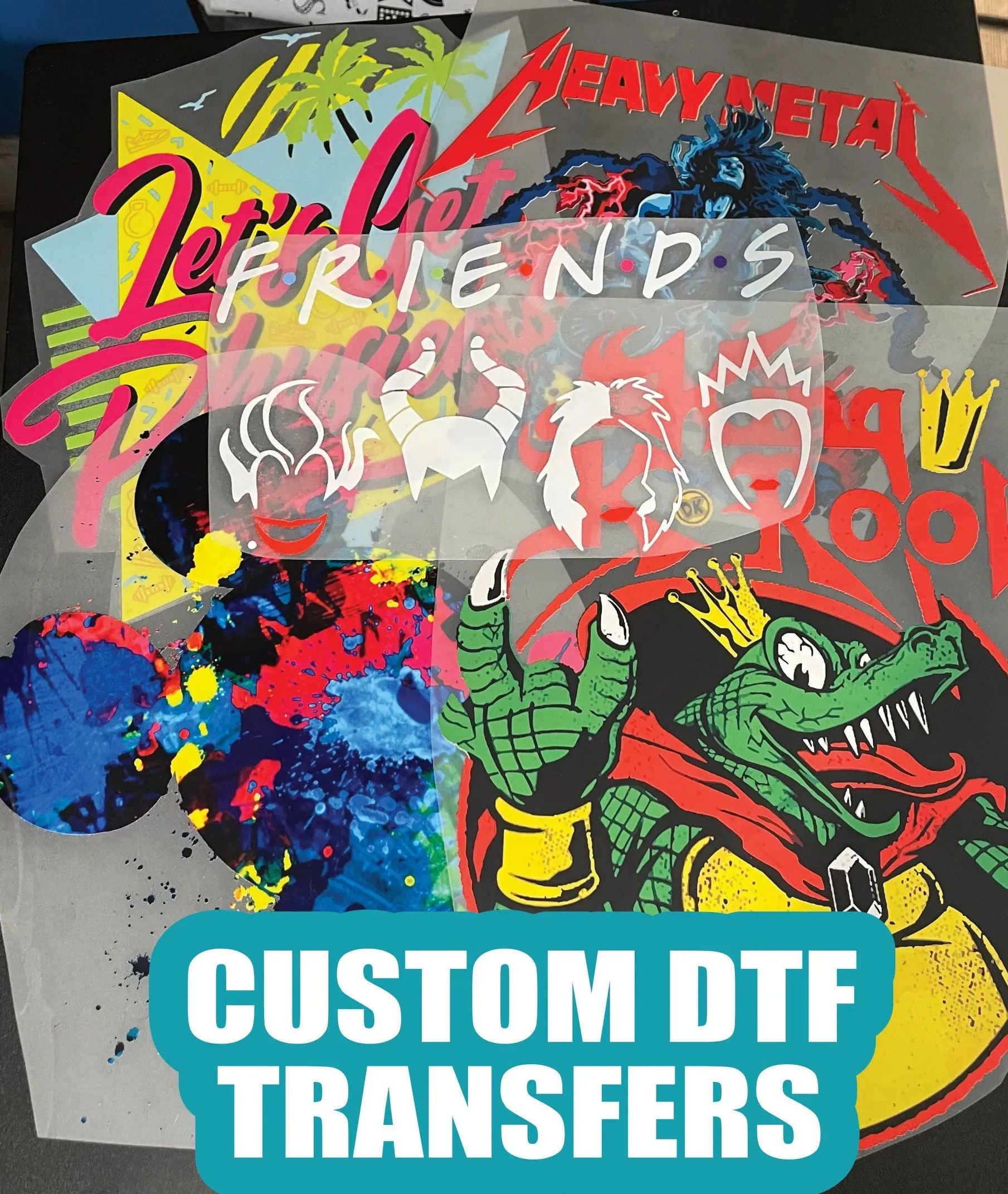
DTF transfers, or Direct-to-Film transfers, represent a revolutionary advancement in apparel printing that combines technology with creative potential. By allowing artists and designers to achieve vivid colors and intricate details effortlessly, DTF technology has become a staple in the world of graphic design. This method entails printing designs onto a specially coated film, which is later heat pressed onto various fabrics, resulting in stunning heat transfer designs that stand out. As we delve into the nuances of DTF transfers in this guide, you'll discover essential tips and tricks that can elevate your design projects. Whether you are a seasoned professional or just stepping into the realm of apparel customization, mastering DTF printing will surely enhance your creative repertoire.
Also known as Direct-to-Film printing, this innovative technique simplifies the apparel printing process while delivering exceptional quality. Many designers are embracing DTF technology due to its versatility across different textiles, enabling the creation of personalized garments that feature intricate graphics. This printing method involves utilizing high-quality heat transfer designs that adhere beautifully to varied substrates, ensuring longevity and vibrancy. By understanding the fundamentals of DTF transfers, you can unlock a new level of creativity and precision in your graphic design projects. As we explore this subject further, you'll learn how to navigate the tools and techniques that make DTF printing a preferred choice among apparel makers.
Understanding Direct-to-Film (DTF) Transfers
Direct-to-Film (DTF) transfers are revolutionizing the world of apparel printing by merging advanced printing technology with a streamlined application method. This innovative technique involves printing designs onto a specialized film that allows for exceptional vibrancy and detail. Once printed, the film is heat pressed onto various fabrics, creating a stunning visual effect that traditional methods often fail to achieve. DTF transfers not only boast a wider range of compatible textiles—ranging from cotton to polyester blends—but also provide better durability, making them a preferred choice for designers and brands across the industry.
The flexibility of DTF technology means that it aims to solve many of the common problems faced in apparel printing. Unlike screen printing, which often limits design complexity and color schemes, DTF breaks down these barriers, allowing for intricate designs and numerous colors to be seamlessly integrated into a single print. Additionally, the ease of use associated with DTF transfers means that even those new to graphic design can achieve professional results without extensive knowledge of the printing process.
Advantages of Using DTF Transfers in Apparel Design
Choosing DTF transfers over other printing methods comes with a variety of benefits that make them appealing to both novices and seasoned professionals. Notably, one of the standout features is their versatility, allowing for use on diverse fabrics. Whether you’re working with lightweight cotton tees or heavier polyester garments, DTF transfers maintain their integrity and vibrant colors. This adaptability also means that designers can explore new creative avenues, producing unique apparel that stands out in the marketplace.
Moreover, the durability of DTF prints is a significant advantage. Unlike screen prints that may crack or fade after multiple washes, DTF transfers are engineered to withstand regular wear and tear, ensuring that your designs remain sharp and intact over time. The resistance to fading is particularly beneficial for those looking to produce items meant for long-term use—keeping customers satisfied with high-quality offerings that retain their appeal.
Tips for Effective DTF Transfer Designing
When crafting designs specifically for DTF transfers, several graphic design tips can significantly enhance outcomes. First and foremost, designers should focus on utilizing high-quality design software like Adobe Illustrator and Photoshop. These tools enable precise manipulation of artwork, which is essential for achieving that polished look necessary for DTF printing. Additionally, ensuring that your artwork is set to a resolution of 300 DPI will guarantee clarity, preventing any pixelation in the final product.
Another critical aspect to consider is color contrast. Utilizing bright, vivid colors can produce stunning results, especially on dark fabrics which might otherwise absorb color saturation. Experimenting with contrasting colors allows for striking visuals that grab attention and leave a lasting impression. Just be mindful of your fabric type; lighter shades might work better on lighter films, creating a balanced look that appeals to various consumer preferences.
Choosing the Right Equipment for DTF Transfers
Selecting the right printer and ink is fundamental for producing high-quality DTF transfers. Investing in a dedicated DTF printer can drastically improve your output, with many models designed specifically to enhance color accuracy and durability. Brands like Epson offer EcoTank series printers that cater to this purpose with exceptional results.
In addition to the printer, the type of ink used plays a pivotal role as well. High-quality DTF inks, particularly pigmented inks, provide deeper color saturation and better adhesion than dye-based options. Compatibility checks are essential when choosing inks to ensure that they work harmoniously with your printer, ultimately impacting the vibrancy and longevity of your designs.
Application Techniques: Achieving Perfect Transfers
Once you finalize your design, applying the DTF transfer correctly is just as crucial as the printing process itself. The temperature and pressure settings used during application can significantly affect adherence and durability. Typically, a heat setting of around 320°F to 330°F is recommended for optimal application on fabrics. Adjusting these parameters according to fabric type can make all the difference in the longevity of the transfer.
Pre-pressing fabrics is another recommended step to enhance the transfer process. This simple technique helps eliminate moisture and wrinkles, ensuring smooth application and optimal adhesion of the DTF transfer. Taking these precautionary steps can prevent potential issues down the line, ultimately leading to a professional-quality finish that will impress your customers.
Exploring Current Trends in DTF Transfers
The DTF transfer industry is experiencing a surge in innovative practices and materials, with eco-friendly options becoming increasingly prevalent. As environmental concerns grow among consumers and designers alike, the shift towards sustainably-produced inks and films is a welcomed trend. This not only caters to the eco-conscious market but also enhances brand reputation for those adopting green practices.
Additionally, advancements in DTF technology include sophisticated heat press machines that deliver more precise temperature and pressure control. These innovations ensure that every transfer application is consistent, reducing overall waste and increasing efficiency. As the DTF community continues to expand, resources and online forums are popping up, providing support and knowledge-sharing among designers—an excellent way to stay updated with best practices and troubleshooting advice.
Frequently Asked Questions
What are DTF Transfers and how do they work?
DTF Transfers, or Direct-to-Film transfers, are a cutting-edge printing technique that involves printing designs onto a specialized film which is then applied to fabric using heat. This method provides vibrant colors and exceptional detail while being compatible with various materials. The result is a durable and eye-catching graphic that adheres effectively to textiles.
Why should I choose DTF Transfers for apparel printing?
Choosing DTF Transfers for apparel printing offers numerous benefits. This technology allows for high versatility across different fabric types, delivers greater durability against fading and cracking, and provides an accessible printing process that even beginners can master. Whether for small runs or bulk orders, DTF technology simplifies creating quality garments.
What graphic design tips should I consider for creating DTF Transfer designs?
When creating designs for DTF Transfers, consider using high-resolution images (300 DPI) for clarity and precision. Utilize graphic design software like Adobe Illustrator or Photoshop for best results. Incorporate contrasting colors that complement the fabric to enhance visual appeal, particularly bright colors for dark textiles.
What is the best printer to use for Direct-to-Film printing?
For optimal results in Direct-to-Film printing, invest in a dedicated DTF printer such as those from the Epson EcoTank series. Additionally, ensure to use high-quality DTF inks which are essential for vibrant colors and strong adherence to fabrics, significantly impacting the quality of your final print.
How do I ensure my DTF Transfers adhere properly to fabric?
To ensure your DTF Transfers adhere well, pre-press your fabrics to eliminate moisture and wrinkles. During application, maintain the appropriate temperature (typically between 320°F-330°F) and pressure. Allow the design to cool completely before peeling off the film to improve adhesion and durability.
What are current trends in DTF Transfers technology?
Current trends in DTF Transfers include a rise in eco-friendly inks and films to cater to environmentally conscious consumers. Additionally, advancements in heat press equipment ensure consistent results by maintaining precise temperatures and pressures. Online communities are enhancing collaboration among designers by sharing tips and resources related to DTF technology.
| Key Points | Details |
|---|---|
| What are DTF Transfers? | DTF transfers use high-quality printing on coated film, heat pressed onto fabric, providing durability and vibrant colors. |
| Advantages of DTF Transfers | - Versatile on various fabrics - Durable and fade-resistant - Simple process, suitable for beginners |
| Key Tips | 1. Choose the right printer and inks for best results. 2. Design artwork with high resolution (300 DPI). 3. Select quality film with appropriate finish. 4. Adjust print settings for optimal quality. 5. Ensure proper application techniques for adherence. 6. Post-process for durability and finish. |
Summary
DTF Transfers provide an innovative way for designers to create vibrant and durable apparel designs. Emphasizing the combination of quality materials and precise techniques, mastering DTF transfers allows for remarkable results that stand the test of time. Whether you're a beginner or a seasoned artist, embracing DTF transfers offers a pathway to colorful and intricate designs that captivate audiences. As technology advances, the techniques and materials available for DTF transfers continuously improve, ensuring that your creative possibilities remain limitless. Start your journey into DTF transfers and unlock your full design potential.