
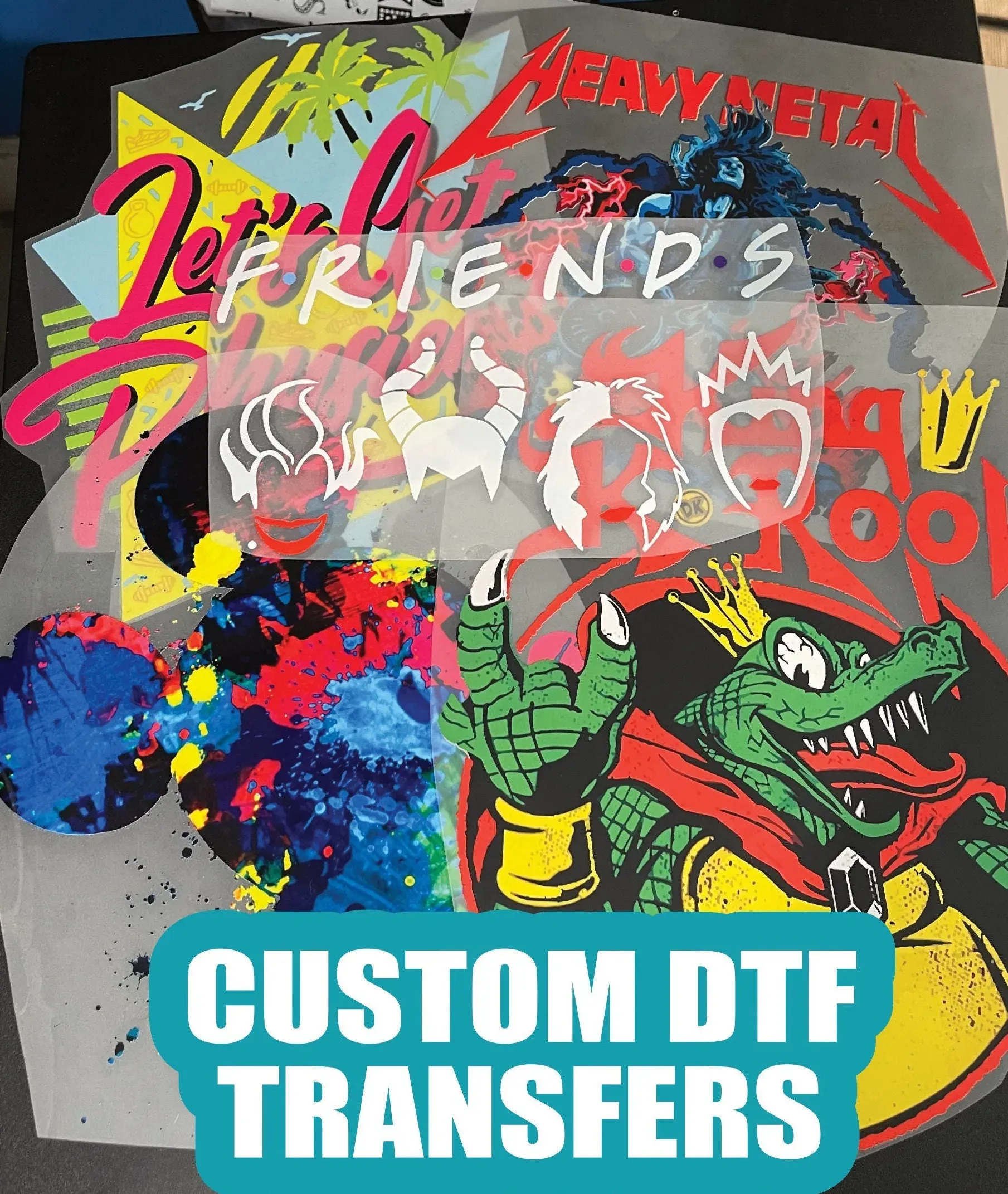
In the ever-evolving world of custom garment printing, DTF transfers have emerged as a game-changing technology, offering a fresh alternative to traditional techniques like screen printing. With the ability to produce vibrant designs on various fabrics, DTF (Direct to Film) transfers allow businesses to fully embrace creativity while maintaining high quality. This method not only streamlines the printing process but also provides impressive versatility in material compatibility—making it an ideal choice for both small and large runs. As we explore the advantages of DTF technology compared to screen printing, you'll discover how it can cater to the unique needs of your brand. Understanding the distinctions between DTF vs screen printing is essential for businesses keen on optimizing their garment printing strategies.
Custom garment printing, also referred to as digital transfers or film transfer printing, encompasses various techniques that enable the creation of unique apparel designs. Among these methods, the use of DTF printing stands out, especially for those seeking innovative solutions to engage customers with eye-catching prints. By utilizing advanced technology, the versatility of DTF provides options beyond traditional printing methods, opening doors for emerging businesses. In this discussion, we will delve into the capabilities of DTF and its comparative effectiveness against screen printing, offering insights that could influence your decision-making process. By understanding these alternative terms and their implications in the garment printing landscape, you can better align your printing choices with your business objectives.
Understanding DTF Transfers: Advantages and Applications
DTF transfers, or Direct to Film transfers, are revolutionizing the way custom garments are printed. This method utilizes advanced technology to create vibrant and detailed images that can be applied to a range of fabrics. One of the standout advantages of DTF printing is its cost-effectiveness, especially for small runs and intricate designs. Unlike screen printing, which can involve significant setup costs, DTF allows for more flexibility in small batch printing, making it an attractive option for businesses focused on customization.
Moreover, DTF technology excels in allowing for quick turnaround times, an essential factor for businesses that are required to fulfill urgent orders. As customer demands shift towards personalized apparel, DTF provides a versatile solution that can cater to a wider array of materials than traditional methods. This includes not only cotton but also synthetic blends, offering unique opportunities for custom printing that were previously challenging or impossible using screen printing alone.
The Benefits of Screen Printing for Bulk Orders
Screen printing, known for its durability and vibrant color output, stands out as the preferred choice for larger volume apparel production. This method relies on laying down thick layers of ink through mesh screens, which creates a lasting bond with the fabric. One advantage here is that once the screens are set up, producing multiple garments becomes highly efficient, making it cost-effective for bulk orders. Businesses that focus on large-scale productions often find these benefits crucial for their operational success.
Additionally, screen-printed designs are renowned for their ability to endure wear and tear, maintaining quality through numerous washes. This longevity is vital for businesses that want to ensure customer satisfaction with durable apparel. While the initial costs may be higher than DTF, the per-unit cost decreases significantly with volume, making screen printing a beneficial investment for companies targeting mass production.
DTF vs. Screen Printing: Which Is More Cost-Effective?
Deciding between DTF transfers and screen printing often hinges on cost efficiency. DTF printing is generally more economical for smaller orders due to its minimal setup requirements and faster production times. This allows businesses to cater to niche markets or individual customer requests without incurring high upfront costs. For startups or those wanting to offer highly customized products, the ability to print on-demand using DTF can lead to competitive pricing and market agility.
In contrast, while screen printing may require significant initial investments, it becomes increasingly cost-effective as order sizes grow. The savings from high-volume production can quickly offset the initial expenses involved in creating multiple screens, making it a more viable option for established businesses looking to scale. Understanding each method's financial implications is essential for businesses to decide which printing technique aligns best with their operational goals.
Quality and Detail: DTF Printing Innovations
One of the most compelling aspects of DTF transfers is the quality and detail achievable with current digital printing technologies. DTF excels at reproducing intricate designs and vibrant colors that can closely reflect the original artwork. This capability is particularly beneficial for designers and brands that require precision and clarity in their prints. As technology progresses, the resolution and color accuracy of DTF are continuously improving, making it a serious contender against traditional methods like screen printing.
Furthermore, the DTF process can provide a smoother finish compared to the sometimes textured feel of screen printed garments. This quality ensures that apparel maintains a more premium feel, important for high-end fashion brands and custom merchandise that aim to elevate the customer’s wearing experience. As more companies explore creative designs, DTF technology offers solutions that match or exceed the quality traditionally associated with screen printing.
Material Compatibility: Expanding the Scope of Custom Printing
An area where DTF printing significantly outshines traditional screen printing is its material compatibility. The ability to print on a variety of substrates, including challenging materials such as nylon and polyester blends, allows businesses to expand their product offerings. This versatility means that companies can cater to diverse customer needs and trends without being limited to certain fabric choices, which is often the case with conventional screen printing.
As the fashion landscape evolves, consumers are increasingly seeking unique designs on varied materials. DTF printing provides businesses with the opportunity to experiment with styles and fabrics that can attract a broader audience. This adaptability positions DTF as a forward-thinking choice for garment printing, making it easier for brands to stay relevant in a competitive market environment.
Emerging Trends in DTF Technology and Its Impact on the Industry
The landscape of custom garment printing is continuously evolving, fueled by innovations such as DTF technology. Recent developments like the introduction of large-format DTF printers and enhanced printing capabilities are enabling businesses to meet escalating market demands for high-quality, custom prints on various materials. These advancements illustrate how the garment printing industry is embracing new technologies to improve efficiency and production quality, driving the adoption of DTF.
Additionally, the rise of platforms specifically designed for DTF applications highlights a shift in the industry towards more accessible and versatile printing options. This democratization of custom printing technology allows small business owners and at-home entrepreneurs to compete in the marketplace without the hefty investments that were once necessary for traditional methods like screen printing. Such trends suggest a shift towards personalization and flexibility in garment production, with DTF playing a central role.
Frequently Asked Questions
What are the main advantages of DTF Transfers compared to screen printing?
DTF transfers offer several advantages over screen printing, notably cost-effectiveness for small runs, faster turnaround times, and the ability to print on a wider variety of materials including synthetics. This makes DTF technology an appealing option for businesses that require high-quality custom printing with intricate designs.
How does DTF printing technology improve garment printing quality?
DTF printing technology allows for vibrant colors and detailed graphics by utilizing advanced digital inkjet printing techniques on special films. This results in high-quality transfers that can adhere well to various fabric types, including those that traditional screen printing may struggle with.
Is DTF Transfers more economical for small order sizes compared to screen printing?
Yes, DTF transfers are generally more cost-effective for small orders. The lower setup costs and quicker production times associated with DTF technology make it an ideal choice for businesses focusing on customized garment printing without the need for large quantities.
What are the key differences in durability between DTF Transfers and screen printing?
Screen printing is known for its durability and ability to withstand multiple washes, while DTF transfers can have varied longevity depending on the quality of the transfer and application. Generally, screen prints maintain the fabric feel better over time, whereas DTF can sometimes create a noticeable texture.
What types of materials can DTF Transfers be used on?
DTF transfers can be applied to a broad range of materials, including cotton, polyester blends, and synthetic fabrics like nylon. This versatility gives DTF technology an edge, as it can achieve results on fabrics that may not perform well with screen printing inks.
What should businesses consider when choosing between DTF Transfers and screen printing?
When deciding between DTF transfers and screen printing, businesses should evaluate their order sizes, turnaround times, material types, desired print quality, and budget constraints. Assessing customer demands and production capabilities can also significantly influence the best choice for garment printing needs.
| Aspect | DTF Transfers | Screen Printing |
|---|---|---|
| Cost Efficiency | More cost-effective for small runs due to lower setup costs. | Better for large orders where the initial setup investment is justified. |
| Quality and Detail | Excels in producing intricate details and vibrant colors. | Best for simpler designs that require durability. |
| Setup and Turnaround Time | Offers faster setup times and quicker turnaround. | Slower due to extensive setup requirements. |
| Material Versatility | Can print on a wide variety of materials, including synthetics. | Limited to materials suitable for screen printing inks. |
Summary
DTF Transfers are emerging as a leading option in the garment printing industry, thanks to their cost-effectiveness and versatility for small runs. This method allows businesses to achieve high-quality prints with vibrant colors on various materials, making it increasingly popular among start-ups and small enterprises. On the other hand, screen printing remains a strong choice for larger companies looking for durability and classic texture. Ultimately, the choice between DTF Transfers and screen printing hinges on specific business needs, order sizes, and required speeds, making it crucial for business owners to assess which method aligns best with their operational goals.