
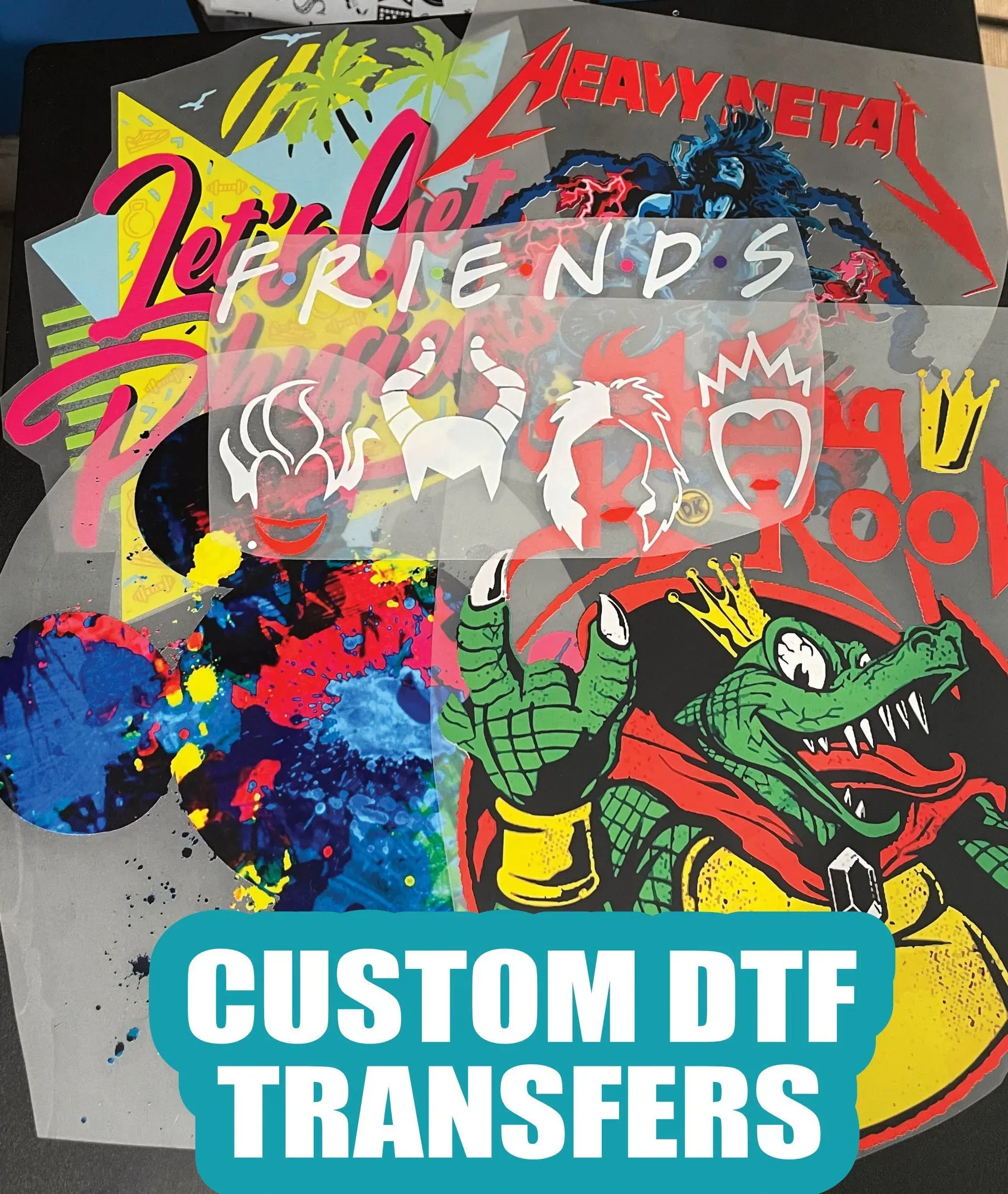
In the dynamic realm of custom apparel, DTF transfers, or Direct-to-Film transfers, are revolutionizing the way designs are printed on garments. Unlike traditional transfers such as screen printing, DTF printing is lauded for its ability to produce high-quality, intricate designs quickly and efficiently. As businesses and designers strive to meet the growing demand for personalized apparel, understanding the advantages of DTF transfers is essential. This innovative method not only enhances the vibrancy of colors but also offers versatility across different fabrics, making it a go-to option for many in the apparel printing industry. By exploring the unique attributes of DTF and its comparison to traditional methods, one can make informed decisions that align with their customization goals.
Direct-to-Film transfers have emerged as a cutting-edge alternative to conventional printing techniques, such as screen printing. In an industry where customization reigns supreme, the capabilities of DTF printing to deliver high-resolution designs and cater to diverse fabric types set it apart from traditional methods. This innovative approach allows for seamless application of intricate graphics, making it a favorite among apparel creators seeking to make a mark in the competitive market. Furthermore, the ease of use associated with DTF technology significantly lowers barriers for new entrants in the custom apparel arena. Whether you refer to it as DTF printing, film transfer application, or even contemporary apparel printing, this method is reshaping how we think about garment design and production.
Understanding DTF Transfers and Their Unique Benefits
Direct-to-Film (DTF) transfers represent a breakthrough in apparel printing technology, harnessing the power of digital printing to create stunning graphics on a variety of garment types. Unlike traditional transfers which may rely on the rigid constraints of screen printing, DTF allows for a broader array of designs, accommodating detailed artwork with vibrant colors that pop. This capability is particularly beneficial for brands looking to differentiate their products in a crowded market, where aesthetics play a crucial role in consumer choices.
Furthermore, DTF transfers are no longer limited to just cotton; they work effectively on polyester and blended fabrics as well, expanding the versatility and scope of custom apparel creation. This adaptability makes them a favored choice among contemporary designers who wish to push boundaries and experiment with various fabric types, ensuring that they remain competitive in the ever-evolving fashion landscape.
The Rise of Custom Apparel Through DTF Printing
As trends evolve towards personalization, DTF printing shines as a solution for businesses seeking to cater to the growing consumer demand for custom apparel. Unlike traditional methods that may struggle with intricate multi-colored designs, DTF printing allows for seamless integration of complex graphics, enabling creators to produce high-quality prints in smaller batches. This aligns perfectly with the trend of bespoke fashion, appealing to customers who value uniqueness and personal expression.
The demand for personalization—ranging from monograms to custom graphics—has never been higher, and DTF transfers are well-equipped to meet this need. As brands invest more in customization capabilities, they can leverage DTF technology to navigate the dynamic preferences of today's consumers efficiently. This not only enhances customer satisfaction but also fosters brand loyalty by offering products that resonate individually with consumers.
Exploring the Cost Factors of DTF vs. Traditional Transfers
When assessing the economic considerations of DTF transfers compared to traditional methods like screen printing, initial equipment costs can be a significant factor. DTF printing generally requires a specialized printer and transfer film, which can elevate startup expenses, especially for smaller businesses. However, this cost must be weighed against the advantages of rapid production capabilities and high-quality outputs that DTF technology provides.
In contrast, traditional screen printing, while being more economical for large production orders, is often limited by its setup costs when it comes to running smaller batches. Each design necessitates different screens, which can increase expenses and labor hours. For businesses aiming to stay agile in the market, the potential benefits of DTF in terms of versatility and speed might justify the initial investment.
DTF Printing Technology: Innovations and Future Prospects
The proliferation of DTF technology signals a transformative shift in the world of apparel printing. Recent innovations, such as those introduced by companies like EazyDTF, highlight advancements that expand printing capabilities and improve the speed and efficiency of the production process. Such development is essential for meeting the fast-paced demands of the contemporary fashion and retail sectors where rapid turnaround is often required.
Looking ahead, the future of DTF printing appears promising, particularly as digital technology continues to integrate deeper into manufacturing and supply chains. This ongoing evolution will likely lead to even greater enhancements in print quality and production efficiency, solidifying DTF's position as a cornerstone in the custom apparel industry and allowing brands to push limits further than ever before.
Balancing Quality and Production Time in Apparel Printing
A critical consideration for clothing brands is the balance between print quality and production time. DTF printing often outshines traditional screen methods in this regard, offering quicker turnaround times without compromising on detail and color vibrancy. The ability to quickly change designs and print multiple graphics in short runs makes DTF an attractive option for brands looking to remain flexible and responsive to market changes.
In contrast, traditional screen printing, while renowned for its durability, often faces longer setup times due to the requirement of multiple screens for various colors. This can pose challenges for businesses that require rapid production for promotional events or seasonal launches. Thus, selecting the right printing method ultimately hinges on a brand's specific production needs and quality expectations.
DTF Transfers: The Key to Modern Personalization Trends
As the fashion industry pivots towards personalization, DTF transfers become an invaluable tool for designers aiming to create long-lasting relationships with their clientele. The technology supports not only vibrant color reproduction but also offers the flexibility needed to accommodate diverse design requests that modern consumers expect. Thrift as well as bespoke fashion trends highlight this shift, with customers increasingly seeking personalized merchandise that reflects their individuality.
Moreover, with the rise of online shopping, platforms that offer customizable apparel are flourishing. DTF printing provides the perfect avenue for businesses to tap into this market by allowing them to easily incorporate customer input into designs, resulting in unique pieces tailored for individual preferences. This trend underscores the necessity of embracing innovative printing technologies like DTF to stay relevant in an increasingly personalized marketplace.
Frequently Asked Questions
What are DTF transfers and how do they differ from traditional transfers?
DTF transfers, or Direct-to-Film transfers, print designs on a special film, which are then heat-pressed onto garments. Unlike traditional transfers like screen printing, DTF is incredibly versatile, allowing high-resolution designs on various fabrics, including cotton and polyester. Traditional methods usually require more setup time and resources for bulk orders.
What are the advantages of using DTF transfers over screen printing?
DTF transfers provide several advantages over screen printing, including superior print quality, faster production times, and the ability to create intricate, multi-colored designs without the need for multiple screens. Additionally, DTF supports small runs of custom apparel, making it ideal for personalized designs.
Can DTF transfers be used on all types of fabrics?
Yes, DTF transfers are versatile and can be used effectively on a wide range of fabrics, from cotton and polyester to blends. This flexibility allows designers to create custom apparel without being restricted by fabric types, unlike some traditional printing methods.
What equipment do I need to start using DTF transfers for custom apparel?
To begin using DTF transfers, you primarily need a DTF printer and a heat press, which are accessible and affordable compared to the equipment required for traditional screen printing. This low barrier to entry makes DTF an attractive option for small businesses and DIY enthusiasts.
What are the limitations of DTF transfers compared to traditional screen printing?
While DTF transfers offer many benefits, they do come with limitations like higher initial equipment costs and a learning curve specific to mastering printer settings. In contrast, traditional screen printing is more cost-effective for large bulk orders and provides unmatched durability for certain applications.
How is the demand for DTF printing affecting the custom apparel market?
The demand for DTF printing is significantly impacting the custom apparel market by promoting personalization and unique designs. As consumers increasingly seek custom items that reflect their individuality, DTF technology stands out as a critical method for meeting these preferences in the fashion industry.
| Key Points | DTF Transfers | Traditional Transfers |
|---|---|---|
| Quality and Versatility | High-resolution printing, works on various fabrics including cotton and polyester. | Good for bulk orders, but less versatile with fabric types. |
Summary
DTF transfers represent an innovative advancement in custom printing solutions, providing businesses with enhanced quality, versatility, and the ability to easily produce unique designs. As the industry shifts towards more personalized and bold fashion trends, DTF transfers stand out as a leading choice for apparel printing. By considering the advantages and limitations of both DTF and traditional transfer methods, businesses can make informed decisions that best suit their operational needs and market demands.