
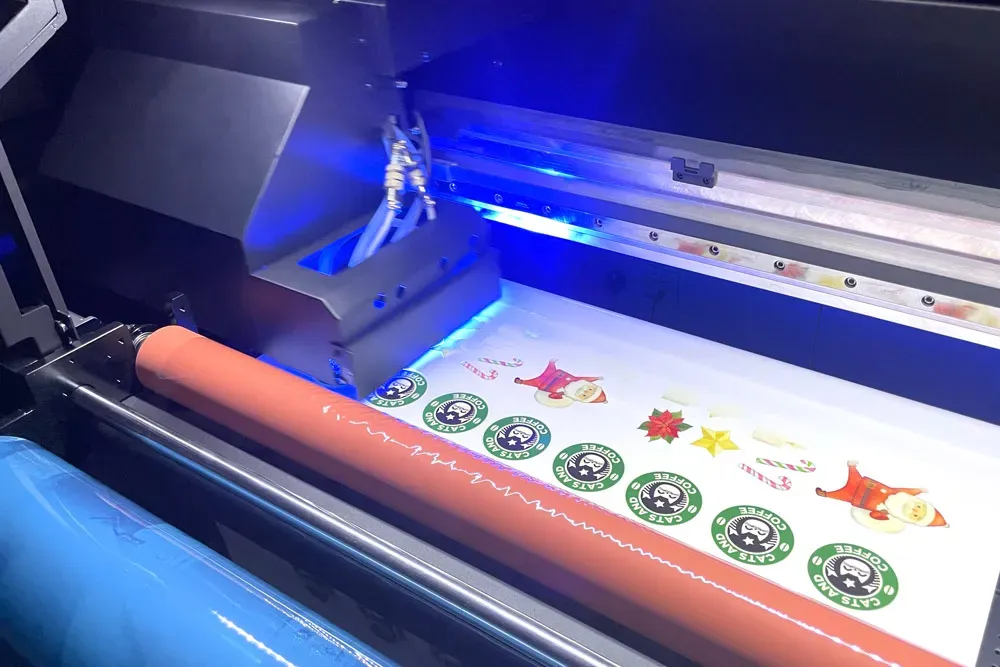
UV DTF printing is revolutionizing the way businesses approach custom graphics, offering a dynamic alternative to traditional printing methods. As companies seek high-quality, durable prints, understanding the benefits of UV DTF printing has become essential for making informed decisions. Compared to other techniques, UV DTF provides remarkable print quality, with vibrant colors and intricate details that truly make designs pop. This innovative technology also accommodates a variety of materials, pushing boundaries far beyond what traditional printing can offer. Additionally, as consumers increasingly prioritize sustainable printing options, UV DTF stands out as a viable choice that meets both performance and eco-friendly standards.
Exploring the realm of direct-to-film printing, also known as UV DTF printing, unveils a host of advancements that set it apart from conventional printing practices. This modern technique utilizes ultraviolet inks and film transfer technology to create eye-catching designs on diverse substrates. When comparing UV DTF to more established methods like screen or offset printing, one quickly recognizes its potential for higher print quality and enhanced durability. Furthermore, with an emphasis on sustainability in today’s market, UV DTF aligns with the need for environmentally conscious solutions, making it a favored option for industries looking to innovate their printing processes.
The Advantages of UV DTF Printing
UV DTF printing offers numerous advantages that set it apart from traditional methods. One of the primary benefits is its remarkable color vibrancy. The UV inks used in this process cure instantly under ultraviolet light, allowing prints to retain their rich, vibrant colors over time. This ensures that designs pop with clarity, enhancing their visual appeal, especially for custom products. Furthermore, the ability to print directly onto a wide range of materials expands creative possibilities, allowing businesses to explore innovative marketing and product design options.
In addition to superior print quality, UV DTF printing is known for its durability. The cured prints are not only resistant to fading but also offer protection against scratches, water, and UV exposure, making them suitable for both indoor and outdoor applications. This durability translates to longer-lasting products with decreased likelihood of damage during handling or in diverse environments, ultimately leading to higher customer satisfaction and lower return rates. The combination of color vibrancy and robustness makes UV DTF a preferred choice for industries requiring high-quality, resilient printed materials.
Comparing Print Quality: UV DTF vs. Traditional Methods
When it comes to print quality, UV DTF printing invariably outshines many traditional printing methods. This technique allows for sharper graphics and more intricate designs, as the process can accommodate complex patterns and fine details that might be challenging for screen or offset printing. Traditional methods, while effective for certain applications, often compromise detail for color or require extra layers to achieve the desired effect, which can sometimes result in a less vibrant final product.
The level of detail achieved by UV DTF printing can captivate audiences more effectively. For instance, businesses in the fashion industry benefit from the ability to produce intricate designs with gradients and color blends that showcase artistic flair. In contrast, traditional printing methods can fall short in achieving such meticulous detail, leading to a noticeable difference in quality. This print quality comparison highlights the advancements in UV DTF technology, making it a game-changer in today’s competitive market.
Production Speed and Efficiency in UV DTF Printing
Production speed is a vital consideration when choosing a printing method. UV DTF printing offers significant advantages over traditional techniques, particularly when it comes to order turnaround time. With minimal setup required for each print, businesses can execute small and custom orders swiftly without the labor-intensive preparations typical of traditional printing methods like screen and offset printing. This speed makes UV DTF ideal for businesses that prioritize flexibility and responsiveness to customer demands.
Additionally, the efficiency of UV DTF printing helps reduce operational costs associated with waste. Since this method can print directly onto materials with fewer errors and reprints, it allows for better resource management. By minimizing wasted time and materials, manufacturers can scale operations effectively, catering to both large and small product runs without compromising quality. This advantage positions UV DTF printing as a beneficial option for businesses aiming to optimize their production processes.
Cost-Effectiveness: Investing in UV DTF vs. Traditional Printing
At first glance, UV DTF printing may seem to require a higher initial investment, especially due to the advanced technology and equipment needed. However, businesses quickly discover the long-term cost benefits it offers. With fast production times and reduced material waste, the overall cost per unit decreases as production ramps up. This makes UV DTF printing a cost-effective solution for companies focused on diversifying their product offerings without incurring high costs for small runs or intricate designs.
In contrast, traditional printing methods may appear economically viable for bulk orders but can become less favorable for shorter runs due to significant setup costs and inefficient use of materials. The cost-effectiveness of UV DTF becomes even more apparent when considering its durability and quality—providing longer-lasting products that do not require frequent reprints or replacements. As a result, many businesses are beginning to recognize the value of investing in UV DTF printing as a means of staying competitive in a fast-paced market.
Sustainability Considerations in Printing Technologies
Sustainability remains a critical concern for businesses and consumers alike, driving the shift towards more environmentally friendly printing methods. UV DTF printing typically employs fewer harmful chemicals compared to some traditional printing processes, which often rely on solvents and other substances that can negatively impact the environment. By opting for UV DTF, companies can align their practices with modern sustainability goals, attracting eco-conscious consumers who value responsible production.
Additionally, UV DTF printing’s efficiency in utilizing materials helps reduce waste, contributing to a lower overall carbon footprint. As businesses strive to meet regulatory requirements and consumer demand for sustainable products, adopting eco-friendly printing technologies like UV DTF becomes not only a responsible choice but a market differentiator. By prioritizing sustainability, brands can enhance their reputation while also meeting the increasing expectation for environmental stewardship in the printing industry.
Future Trends in UV DTF and Traditional Printing
As the printing industry continues to evolve, the prominence of UV DTF technology is expected to grow, especially in sectors that demand high-quality, customized prints. The recent advancements in this technique are making it more accessible for a broader range of businesses, particularly those in the fashion and retail sectors. With the increasing consumer preference for personalized products and unique designs, UV DTF printing is well-positioned to cater to these emerging trends.
Moreover, the integration of digital technologies, such as artificial intelligence and automation, is anticipated to enhance both UV DTF and traditional printing methods. This could lead to improved efficiency, reduced costs, and even better quality outputs. As businesses continue to assess their options within the printing landscape, staying informed about these industry trends will empower them to make strategic decisions that align with their growth objectives and customer demands.
Frequently Asked Questions
What are the benefits of UV DTF printing compared to traditional printing methods?
UV DTF printing offers several benefits over traditional printing methods, including superior print quality with vibrant colors and intricate details. It is also more durable, enabling prints to withstand moisture and UV light exposure. Additionally, UV DTF is versatile, allowing use on various materials beyond fabrics, and provides faster production times, making it cost-effective for smaller batches.
How does print quality comparison between UV DTF and traditional printing methods hold up?
When comparing print quality, UV DTF printing stands out with its ability to deliver vivid colors and sharp details, which traditional methods often lack, especially on non-standard surfaces. Traditional printing techniques, such as screen printing and offset printing, may not achieve the same depth of color or fine detail, making UV DTF a preferred choice for high-quality results.
Is UV DTF printing a sustainable printing option?
Yes, UV DTF printing is considered a more sustainable option compared to many traditional printing methods. It typically uses fewer harmful chemicals and generates less waste, aligning with eco-friendly practices. As sustainability becomes a priority, UV DTF technology is increasingly favored for its reduced environmental impact.
What are the main differences between UV DTF and traditional printing in terms of production speed?
UV DTF printing offers rapid production speeds because it requires less setup time than traditional printing methods. This makes it ideal for custom orders and small batches, while traditional printing methods often face longer preparation times, particularly when producing smaller quantities.
How does UV DTF printing stack up against traditional printing methods regarding cost-effectiveness?
Although the initial investment for UV DTF printing equipment may be higher, it leads to better long-term cost management due to reduced waste and faster production times. On the other hand, traditional printing is generally more economical for large quantities but becomes costly for small orders due to high setup and material expenses.
Can UV DTF printing achieve the same level of durability as traditional printing methods?
Yes, UV DTF printing achieves high durability levels with UV-cured prints that resist fading, scratching, and moisture. While some traditional printing methods can be durable, they often require additional treatments to reach comparable longevity, which can increase costs.
| Aspect | UV DTF Printing | Traditional Printing |
|---|---|---|
| Print Quality | Vibrant colors, intricate details, high accuracy. | Reliable but often less detailed and vibrant, especially on non-standard materials. |
| Durability | Resistant to fading, scratching, and moisture; ideal for high-use products. | Sturdy but may need additional treatments for durability. |
| Production Speed | Rapid production, suitable for small batches and custom orders. | Longer setup times can hinder speed, especially for small jobs. |
| Cost-Effectiveness | Higher initial investment, but lower long-term costs through reduced waste. | More economical for large runs but costly for smaller orders. |
| Environmental Impact | Fewer harmful chemicals; aligns with sustainability goals. | Can contribute to environmental damage; eco-alternatives available. |
Summary
UV DTF printing represents a significant advancement in printing technology, offering numerous advantages over traditional printing methods. Known for its vibrant color capabilities and exceptional durability, UV DTF printing is becoming increasingly popular among businesses seeking quality and efficiency. This modern technique not only provides superior print quality but also caters to the growing demand for eco-friendly solutions with less environmental impact. As the printing industry evolves, UV DTF printing emerges as a frontrunner due to its versatility and ability to meet the demands of customization and small production runs. In contrast, traditional printing still serves its purpose in large volume scenarios. However, for businesses aiming to invest in printing technology, understanding the benefits of UV DTF printing is crucial for making informed decisions.